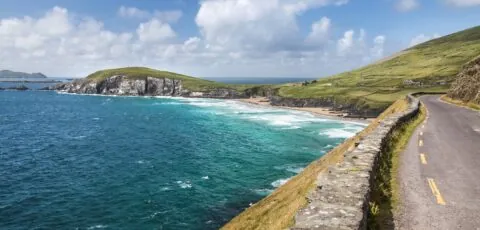



Dreaming of driving along Ireland’s winding roads? With its dramatic cliffs and wild landscapes, Ireland is the perfect destination for a road trip. But before you set off on a long journey across the country, it’s important to be well prepared. Here are some tips to help you travel by car safely and with peace of mind in Ireland.
A road trip from France to Ireland requires careful planning, especially if you’re heading to the ports to catch a ferry. There are several options for this journey. You can depart from northern France to Dublin via the ports of Cherbourg or Calais and board a ferry. Depending on your departure port, these crossings take between 14 and 20 hours.
Before hitting the road, make sure to plan your itinerary, check ferry schedules, and book your tickets in advance—especially during peak season. Schedule regular breaks along the way, particularly if you’re traveling with children or making the trip in a single day.
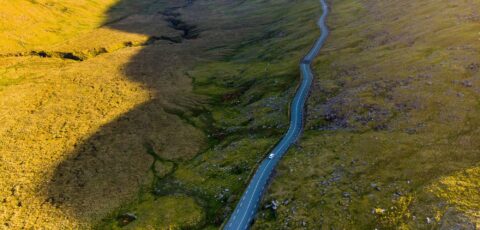
Once in Ireland, although the country is relatively easy to explore, it’s important to familiarize yourself with the main roads, traffic conditions, and areas that may be affected by the weather. Roads can be narrower and more winding, especially in rural areas, so adjust your driving accordingly.
Before embarking on a long trip, a thorough check of your vehicle is essential. Inspect your tires, oil level, brakes, and all other safety features such as headlights and wipers. Irish roads are often damp, and worn tires or faulty brakes can increase the risk of accidents.
If you plan to drive on rural roads, choose a car suited to these conditions. The Peugeot 208, for example, is a city car known for its maneuverability and reliability on long journeys. Pay special attention to the exterior parts of your vehicle. According to the European Road Association, over 25% of vehicle damage is due to frontal collisions. Experts at AUTODOC therefore recommend replacing any damaged parts, especially bumpers, before you leave.
Make sure you have a working spare tire and the basic equipment needed for minor repairs—this can be very useful, especially if you’re heading into remote areas.
In Ireland, having proper car insurance is essential, as it will protect you in case of accidents or material damage. Also consider taking out travel insurance to cover any unexpected events.
Even with a well-maintained car, it’s always wise to be ready for the unexpected. Bring along an emergency kit, including a first aid kit, blankets, batteries, water, and snacks, in case you encounter any issues on the road.
Ready for your big adventure? All that’s left is to enjoy the famous Wild Atlantic Way, the Giant’s Causeway route, or the Burren National Park.