Learn Irish Gaelic: Top Common Expressions to Know
Culture

Learn Irish Gaelic: Top Common Expressions to Know

Gaelic Terms
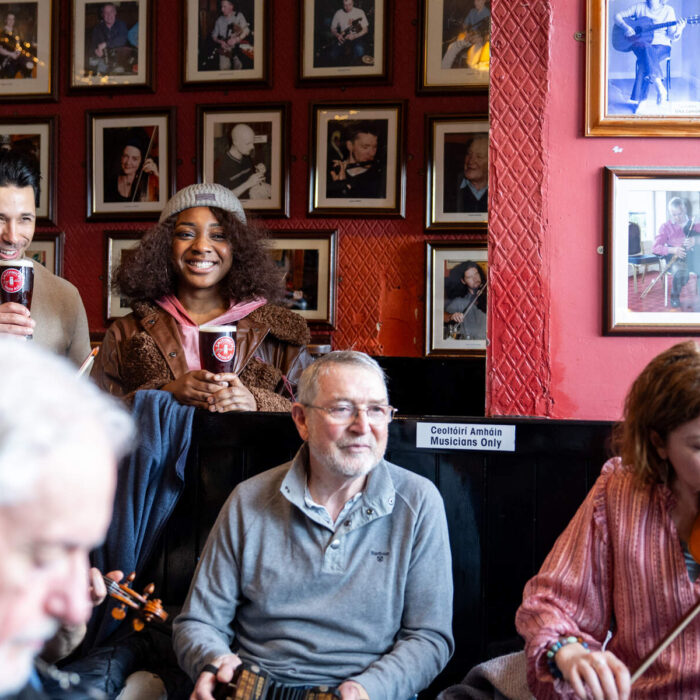
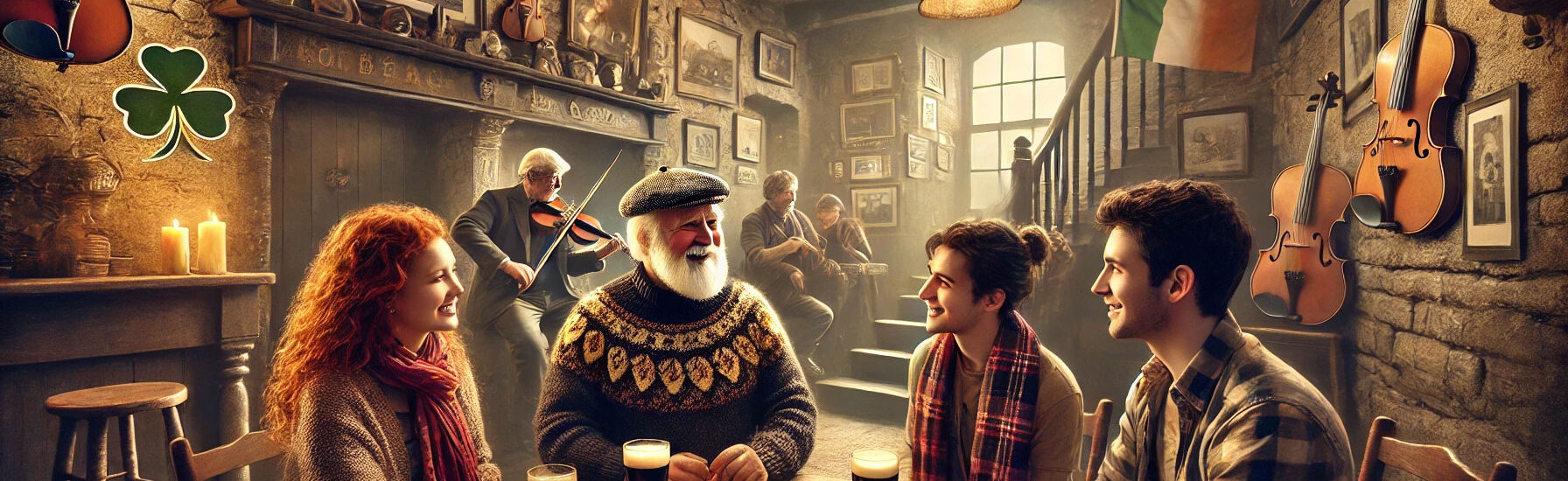
People chatting in an Irish pub in Irish Gaelic - © Go-to-Ireland.com

Although English is spoken throughout most of the country, it can be challenging to communicate in some regions where Gaelic is still practiced.

Ireland is a country rich in culture, history, and traditions. While English is widely spoken, Irish Gaelic (Gaeilge) is the national language and remains a strong symbol of Irish identity. Learning a few Gaelic expressions can enrich your trip, ease interactions with locals, and show your interest in their cultural heritage. Here is a selection of the most useful expressions to know before you go.

Basic Expressions

Politeness

  1. Dia duit (Djia gwitch) – Hello
    Used to greet someone formally or informally.
  2. Slán (Slawn) – Goodbye
    To say farewell when leaving a place or person.
  3. Go raibh maith agat (Guh rev mah agut) – Thank you
    To express your gratitude.
  4. Le do thoil (Le duh hull) – Please
    Use this when making requests politely.
  5. Conas atá tú? (Konas ata too) – How are you?
    A common way to ask how someone is doing.
  6. Tá mé go maith (Ta may guh mah) – I’m fine
    Typical response to “How are you?”.
  7. Céad míle fáilte (Kaid meela fall-cha) – A hundred thousand welcomes
    Traditional expression to warmly welcome someone.

Social Interactions

  1. Sláinte (Slawn-cha) – Cheers
    Used during toasts in pubs or celebrations.
  2. Cad is ainm duit? (Kad iss anim ditch) – What is your name?
    To start a conversation by asking someone’s name.
  3. Is ainm dom… (Iss anim dum…) – My name is…
    To introduce yourself.
  4. Tá brón orm (Ta brone urum) – I’m sorry
    To apologize.
  5. An bhfuil Béarla agat? (An will bear-la agut) – Do you speak English?
    Useful if you need help in English.

Directions and Getting Around

  1. Cá bhfuil an leithreas? (Ka will an leh-rass) – Where are the toilets?
    A practical question in public places.
  2. Cá bhfuil… (Ka will…) – Where is…
    To ask for directions to a specific place.
  3. Ceart go leor (Kyart guh lyore) – Okay
    To express agreement.
  4. Ní thuigim (Nee hig-im) – I don’t understand
    If you have trouble understanding what’s being said.
  5. An féidir leat cabhrú liom? (An fay-der lat cow-roo lyum) – Can you help me?
    To ask for assistance.

Food and Drinks

  1. Bia (Bee-ah) – Food
  2. Deoch (Djok) – Drink
  3. Tá ocras orm (Ta ok-ras urum) – I’m hungry
  4. Tá tart orm (Ta tart urum) – I’m thirsty
  5. An bhfuil an biachlár i nGaeilge agat? (An will an bee-ah-klar i ngwayl-ga agut) – Do you have the menu in Gaelic?
    For language lovers wanting to deepen their culinary experience.

Numbers from 1 to 10

  1. A haon (A hayn) – One
  2. A dó (A doh) – Two
  3. A trí (A tree) – Three
  4. A ceathair (A kah-her) – Four
  5. A cúig (A coo-ig) – Five
  6. A sé (A shay) – Six
  7. A seacht (A shocked) – Seven
  8. A hocht (A hukt) – Eight
  9. A naoi (A knee) – Nine
  10. A deich (A deh) – Ten

Days of the Week

  1. Dé Luain (Jay Loo-in) – Monday
  2. Dé Máirt (Jay March) – Tuesday
  3. Dé Céadaoin (Jay Kay-deen) – Wednesday
  4. Déardaoin (Jar-deen) – Thursday
  5. Dé hAoine (Jay Hee-nah) – Friday
  6. Dé Sathairn (Jay Sah-her-in) – Saturday
  7. Dé Domhnaigh (Jay Down-ee) – Sunday

Useful Expressions

  1. Go hiontach (Guh heen-takh) – Wonderful
    To express admiration or pleasure.
  2. Fáilte romhat (Fall-cha rowt) – You’re welcome
    In response to thanks.
  3. Mo chara (Muh khar-a) – My friend
    To address someone warmly.
  4. Ádh mór ort (Awe more urt) – Good luck
    To wish someone good luck.
  5. Go n-éirí an bóthar leat (Guh nye-ree on bo-her lat) – May the road rise to meet you
    Traditional blessing for travelers.

Tips for Learning Gaelic

  • Listen: Immerse yourself in the language by listening to Gaelic songs or watching Irish TV programs.
  • Practice: Don’t hesitate to use these expressions in your daily interactions.
  • Visit Gaeltacht regions: These areas where Gaelic is the main language offer full linguistic immersion.
  • Use apps: Mobile apps can help improve your vocabulary and pronunciation.
Free Ireland travel guide
Free guide

Planning a trip to Ireland?

Receive our free travel guide and discover the very best places, itineraries and practical tips to prepare your stay.

Culture, history, must-see attractions and local advice delivered directly to your inbox.