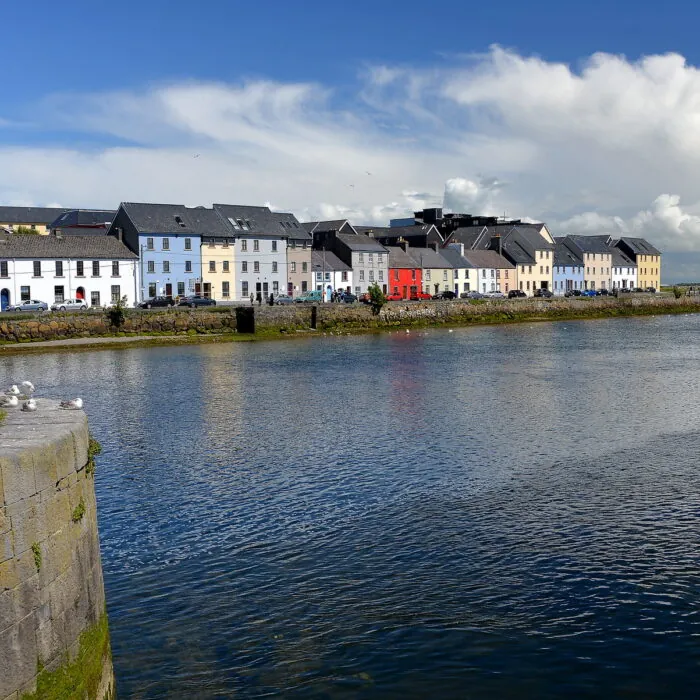
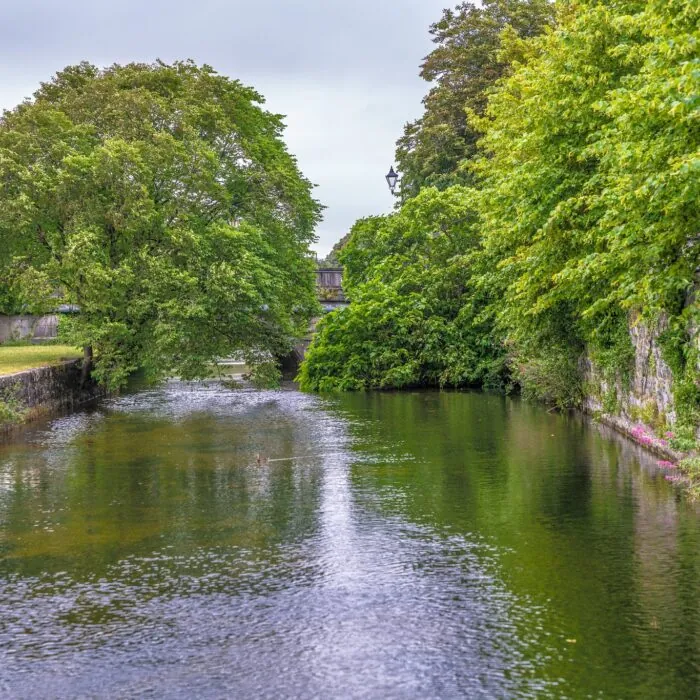
In Galway, the Atlantic is never far away. It can be sensed in the salty air rising from the quays, in the gusts that chase passers-by along the Corrib, and in the changing clouds that alternate light and rain within minutes. At Europe’s western edge, this former merchant city has developed its own way of inhabiting the world: warm, musical and slightly bohemian.
Galway has neither Dublin’s scale nor the monumentality of certain European capitals. Its appeal lies elsewhere: in the bustle of Shop Street, the colourful façades of the Latin Quarter, fiddle tunes played outside pubs, and conversations that linger over a pint. With its students, artists, festivals and strong cultural identity, the city often seems to be in perpetual motion.
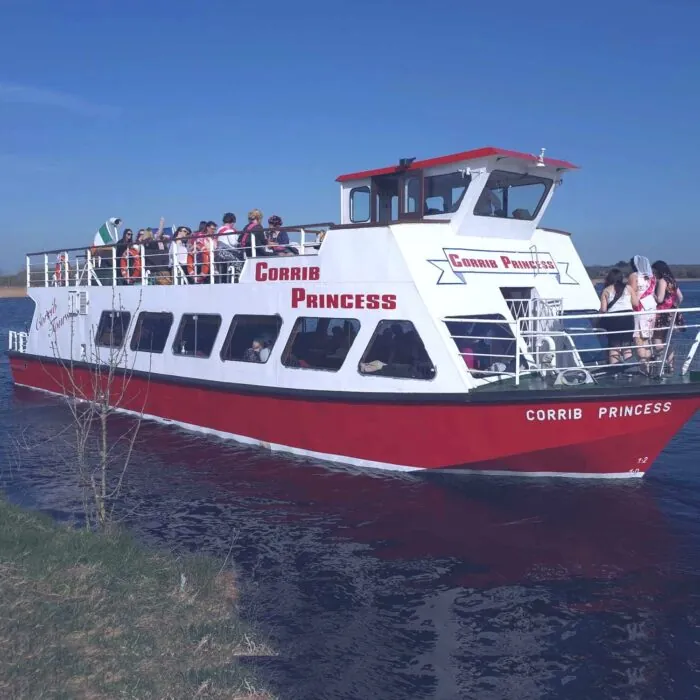
Situated at the mouth of the River Corrib, facing Galway Bay, Galway is also one of the best bases for exploring western Ireland. Connemara, the Burren, the Aran Islands and the Cliffs of Moher can all be reached on day trips. But reducing Galway to a mere departure point would be a mistake: the city deserves at least one full day, and ideally two or three nights.
Why visit Galway?
A compact, cultural and deeply lively city
Galway, Gaillimh in Irish, has nearly 86,000 inhabitants according to the 2022 census. It is the main city in the province of Connacht and one of the Republic of Ireland’s major urban centres. Its student population, driven in particular by the University of Galway, contributes greatly to its energy.
The historic heart is easy to explore on foot. Within a few minutes, you can walk from Eyre Square to the pedestrian streets, then from St Nicholas’ Church to the quays of the Corrib. This proximity encourages a particularly vibrant street life, especially when the terraces fill up and musicians set up outside shopfronts.
Traditional music holds an important place, but Galway does not live solely to the sound of the fiddle, flute and bodhrán. Rock, contemporary folk, jazz, theatre and visual arts fuel a highly varied cultural scene. Street performers, known as buskers, are also part of the landscape, although their performances are now governed by municipal regulations.
Above all, Galway manages to preserve a rare balance. It is at once an old medieval city, an Atlantic-facing port, a university city and a European centre for medical technology. Its streets retain fragments of walls and merchants’ houses, while its outlying districts host international companies and research laboratories.
History of Galway
A fortress founded in the 12th century
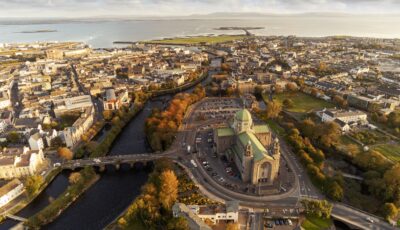
Galway Cathedral on the banks of the River Corrib
The documented history of Galway begins in 1124, when Tairrdelbach Ua Conchobair, also known as Turlough O’Connor, King of Connacht and future High King of Ireland, had a fortification established near the mouth of the Corrib.
This stronghold, called Dún Bhun na Gaillimhe, was intended to control a strategic passage between Lough Corrib and Galway Bay. The city’s name is thought to derive from Gaillimh, which then referred to the river now called the Corrib, although the precise origin of the word remains debated.
The village of Claddagh existed on the opposite bank, near the mouth of the river, but it should not be confused with Galway’s first fortified core. Claddagh long formed a distinct fishing community, organised around its own traditions and closely tied to the waters of the bay.
In 1232, Anglo-Norman forces led by Richard de Burgh captured the fortress. A town gradually developed around the castle. Walls were erected, streets were laid out and a harbour formed in the shelter of the bay. Galway then became a mercantile enclave of Anglo-Norman language and culture, surrounded by predominantly Gaelic territories.
The city of the fourteen tribes
Between the 15th and 17th centuries, Galway’s political, economic and commercial life was dominated by fourteen major merchant families. They would later be nicknamed the Tribes of Galway, giving the city its nickname, City of the Tribes.
Twelve of these families were mainly of English or Welsh origin, stemming from Anglo-Norman colonisation. The Darcy and Kirwan families were of Gaelic origin. Over the generations, all of them became integrated into local culture, adopting certain Irish customs and forging alliances with families from the region.
These fourteen lineages included the Athy, Blake, Bodkin, Browne, Darcy, Deane, Font, French, Joyce, Kirwan, Lynch, Martin, Morris and Skerrett families. They administered the city, financed its buildings, controlled part of its trade and regularly held the office of mayor.
Galway received a municipal charter in 1484. The city then entered a period of great prosperity thanks to maritime trade. Its ships carried fish, hides, wool and other goods to European ports. Relations with the Iberian Peninsula were particularly important, although the famous Spanish Arch does not owe its name to a Spanish colony established there.
Within the walls, the great families built sturdy stone residences. Lynch’s Castle, still visible today on Shop Street, remains one of the finest examples of this medieval urban architecture.
A city between the Anglo-Norman and Gaelic worlds
Galway’s prosperity should not obscure the tensions that ran through medieval society. The fortified city sought to protect its trading privileges and autonomy from the surrounding Gaelic clans. Irish inhabitants did not always enjoy the same rights as families established within the walls.
However, the cultural boundary was not impermeable. Merchant families traded with the hinterland, forged alliances and gradually adopted some Gaelic practices. As elsewhere in Ireland, descendants of the Anglo-Normans sometimes became, in the famous phrase, “more Irish than the Irish themselves”.
This position between several worlds is one of the keys to Galway’s identity. The city stood at the meeting point of mercantile Europe, Gaelic Ireland and the Atlantic. Even today, it remains one of the main gateways to the Irish-speaking regions of Connemara and the Aran Islands.
The Cromwellian siege and Galway’s long decline
The 17th century marked a rupture. After the Irish Confederate Wars, Galway was besieged by Parliamentary forces supporting Oliver Cromwell. The city capitulated in 1652 after several months of blockade.
Galway was not completely razed, contrary to what some accounts suggest. It nevertheless suffered severe political and economic consequences. Part of the Catholic elite was dispossessed, several merchant families lost their influence, and maritime trade weakened.
The city changed hands again after the Williamite War. It surrendered to the forces of William III in 1691. Restrictions imposed on Catholics, changes in major trading routes and the loss of its former privileges subsequently plunged Galway into a long period of stagnation.
The harbour retained a regional activity, but the city did not quickly regain the prosperity of its mercantile age. The Great Famine, between 1845 and 1852, hit the county hard and accelerated emigration to Great Britain, the United States and other English-speaking territories.
From the railway to European Capital of Culture
The arrival of the railway in the 19th century gradually improved links with Dublin and the rest of the country. Galway developed again around its harbour, markets and administrative functions.
The establishment of Queen’s College Galway in 1845, now the University of Galway, played a major role in transforming the city. The institution attracted students and researchers, fostered the spread of knowledge and contributed to the emergence of a particularly rich intellectual life.
The second half of the 20th century brought a new acceleration. Tourism grew, the university expanded and international companies set up in the region. Galway became an important hub for medical technologies, life sciences and digital technology in particular.
Culture also contributed to this renewal. Founded in 1978, the Galway International Arts Festival gained an international reputation. The city was then designated European Capital of Culture 2020. Part of the programme had to be postponed or adapted because of the pandemic, but the distinction confirmed Galway’s role on the European cultural scene.
What to visit in Galway?
The Latin Quarter and pedestrian streets
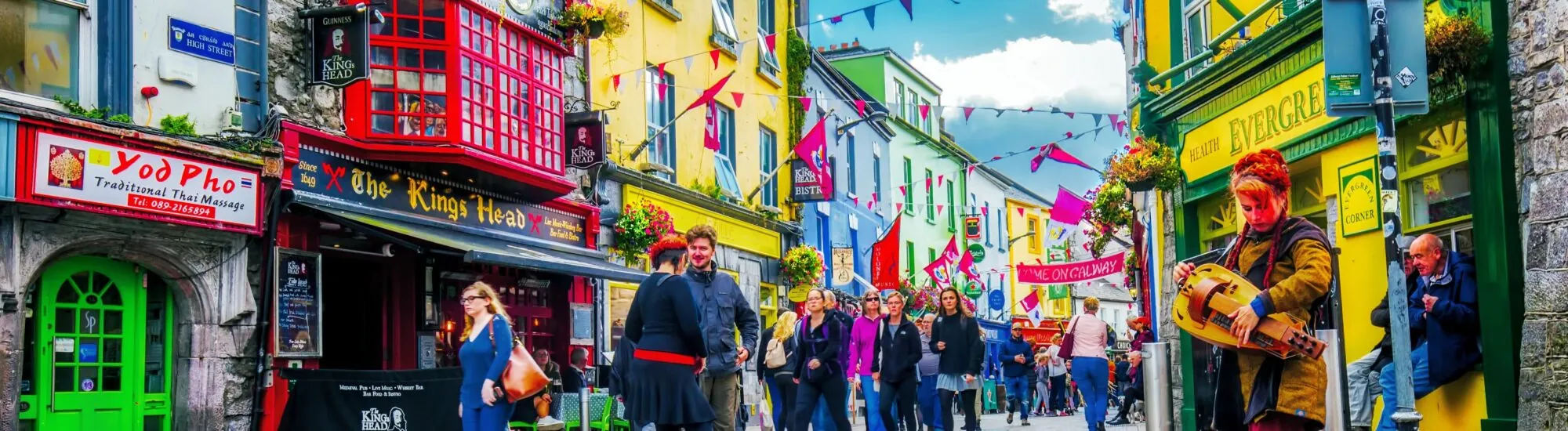
Colourful streets in Galway’s historic centre
The Latin Quarter contains much of the city centre’s activity. This area extends around High Street, Quay Street and Cross Street, in a maze of streets lined with independent shops, restaurants and pubs.
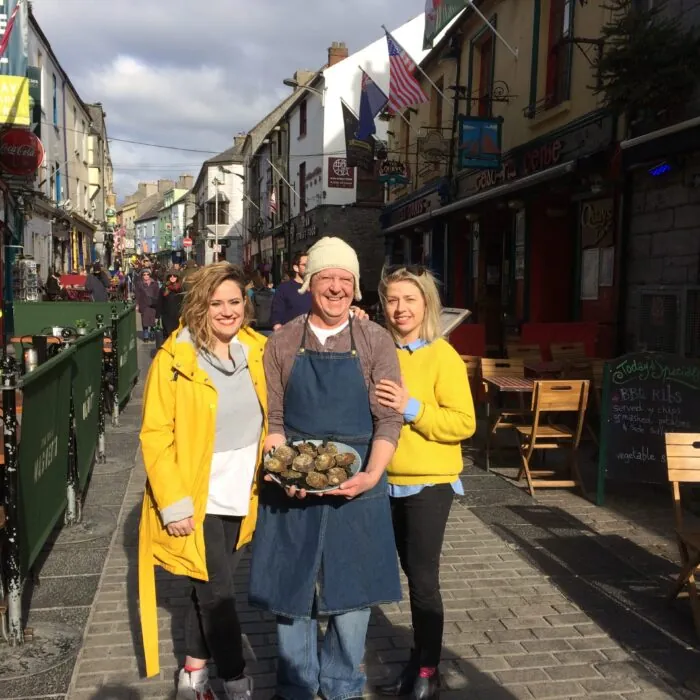
The colourful façades are one of Galway’s best-known images. From late afternoon onwards, crowds gather around terraces and street performers. The atmosphere can become very busy in summer, but it is often enough to move a few metres away from the main thoroughfares to find quieter lanes.
Shop Street naturally extends the walk towards Eyre Square. Several historic buildings punctuate the route, including Lynch’s Castle. This former 16th-century fortified house has a façade decorated with coats of arms and gargoyles. It now houses a bank branch, but its exterior is well worth taking the time to admire.
Quay Street and Galway’s pubs
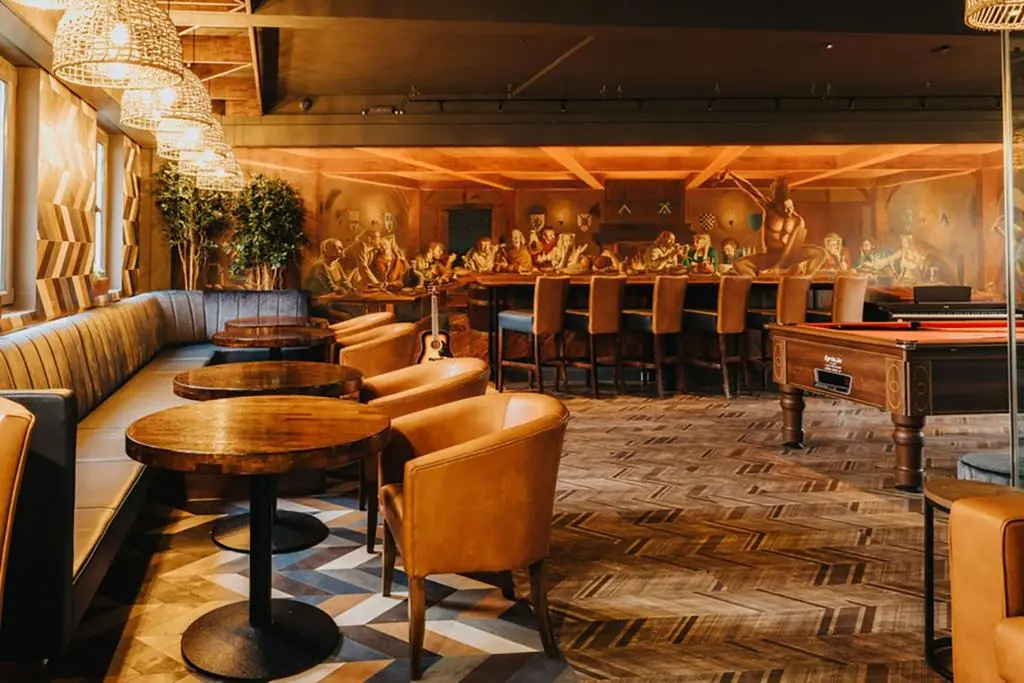
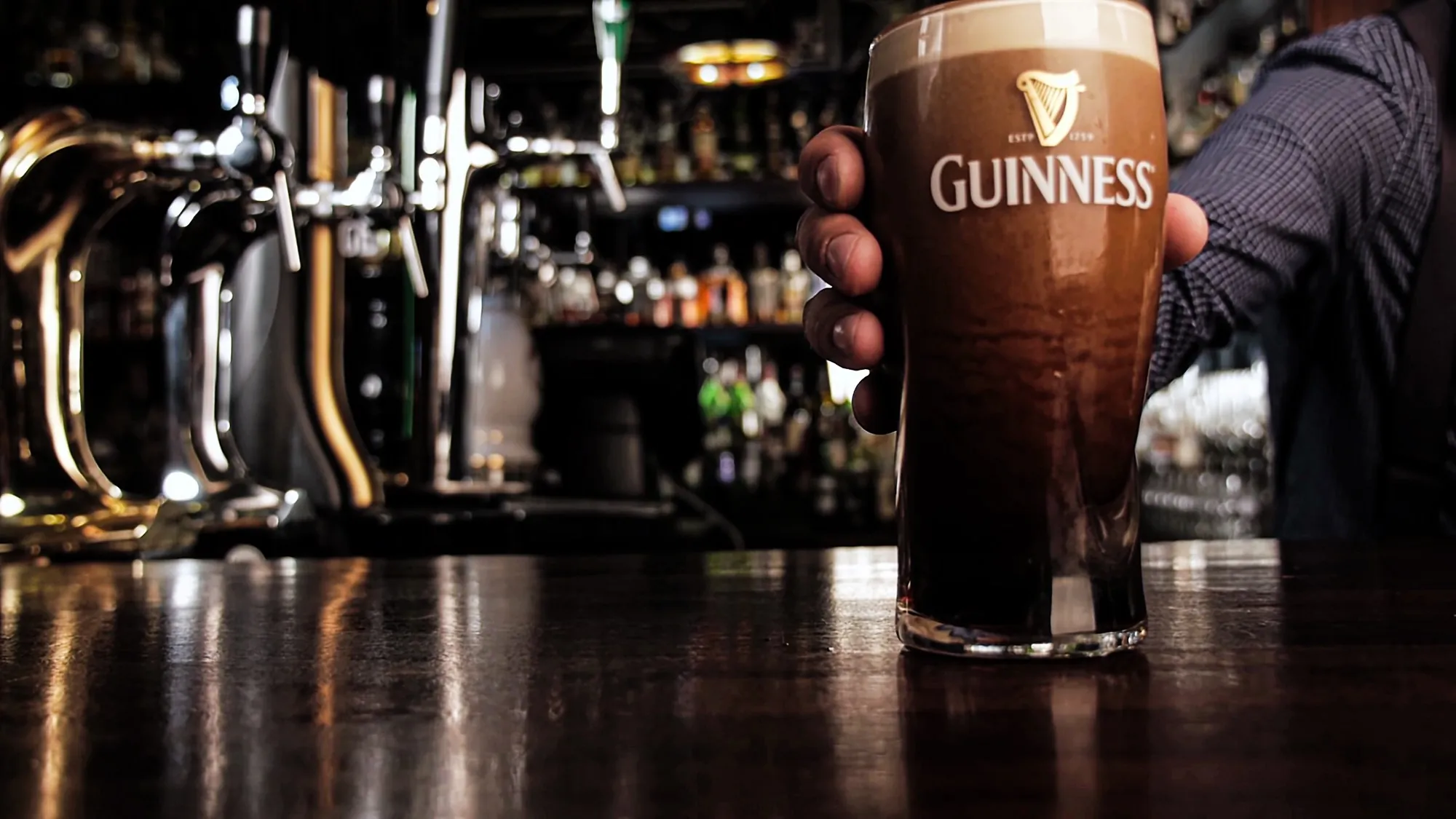
Quay Street is one of Galway’s busiest streets. Its brightly coloured signs, restaurants and pubs have made it the epicentre of nightlife. During high season, it can seem very touristy, but it retains a contagious energy.
To hear a traditional music session, it is best not to rely on chance alone. Times change depending on the day and the musicians. Arrive early enough, respect the silence during tunes, and avoid treating performers as mere background entertainment.
Irish sessions do not always follow the format of a traditional concert. Musicians may gradually gather around a table, alternate fast tunes and slow airs, then make room for a song performed unaccompanied. This spontaneity is precisely what makes them so charming.
St Nicholas’ Collegiate Church
Founded in 1320, St Nicholas’ Collegiate Church is one of Galway’s main medieval monuments. It is often described as the largest medieval parish church still in use in Ireland.
Its name honours St Nicholas of Myra, the traditional protector of sailors. The building was enlarged over the centuries by the city’s merchant families. Its tombstones, carvings and chapels preserve the memory of Galway’s old tribes.
A tradition holds that Christopher Columbus prayed there in 1477 during a visit to Galway. His presence in the city is plausible and mentioned in his writings, but the exact details of this visit remain difficult to establish.
Spanish Arch and the old quays
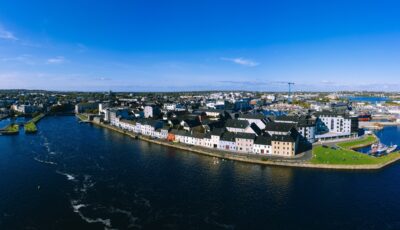
At the end of Quay Street, Spanish Arch marks the transition between the medieval heart and the quays of the Corrib. Built in 1584 as an extension of the walls, it protected access to the harbour and unloading areas.
Its current name is relatively recent. It recalls the trading ties with Spain, but the arch was neither specifically built by Spaniards nor reserved for their ships.
The lawns in front of the arch are now a popular meeting place. In fine weather, residents, students and travellers come to sit there facing the river. From there, a walk leads to Claddagh and then to Salthill.
Galway City Museum
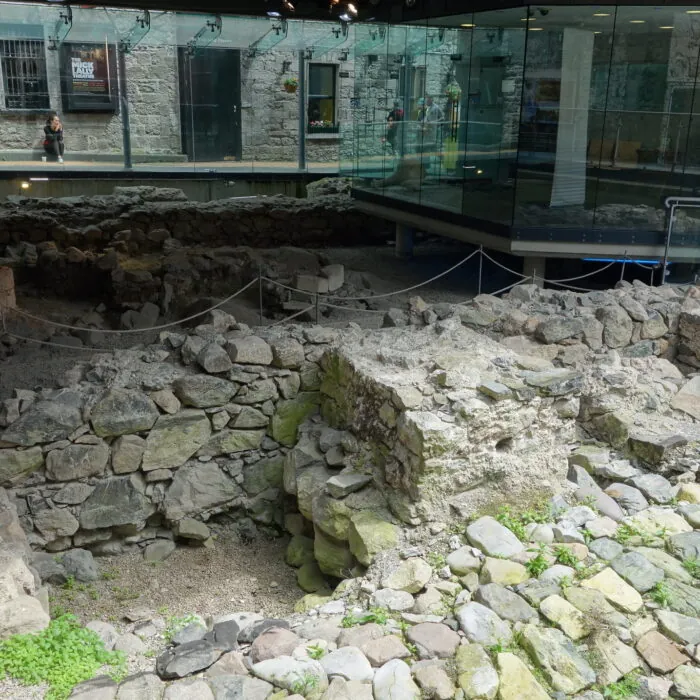
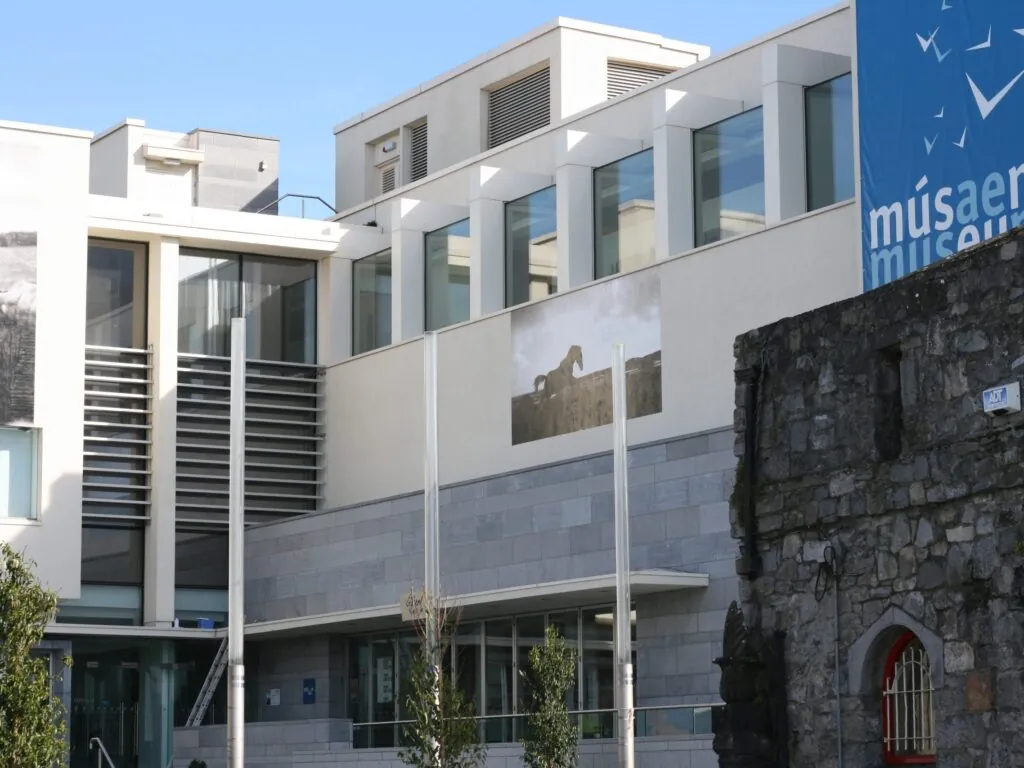
Located near Spanish Arch, the Galway City Museum provides an excellent introduction to the city’s history. Its collections cover medieval Galway, maritime trade, archaeology, popular culture and the region’s role in major events in Irish history.
The museum helps visitors better understand the fourteen tribes, the evolution of the walls, the life of fishing communities and Galway’s long-standing relationship with the ocean. Admission to the main exhibition is generally free, although some events require booking.
Allow between one hour and one and a half hours for a thorough visit. Opening times and access to certain galleries may change according to works, temporary exhibitions and events.
Eyre Square, Galway’s main crossroads
Eyre Square, officially called John F. Kennedy Memorial Park, stands at the entrance to the historic centre. This large public square is surrounded by hotels, shops and busy roads.
It is not Galway’s most picturesque area, but it is an especially convenient landmark. The railway station and bus station are nearby, while Shop Street begins just a few steps away.
The square features several works and monuments, including a sculpture recalling the sails of the Galway Hookers, the traditional boats of the bay. In winter, it becomes one of the main locations for the Christmas market.
Galway Cathedral
With its imposing green dome, the Cathedral of Our Lady Assumed into Heaven and St Nicholas appears much older than it really is. Construction began in 1958 and the building was consecrated in 1965.
It occupies the site of the former county prison. Its architecture combines Romanesque, Gothic and Renaissance influences in a monumental ensemble typical of the mid-20th century.
Inside, light passes through large stained-glass windows before reflecting on Connemara marble. The cathedral stands on the banks of the Corrib, near Salmon Weir Bridge and the university.
The University of Galway campus
From the cathedral, only a few minutes’ walk are needed to reach the University of Galway. Its main historic building, the Quadrangle, was built in the 19th century in a neo-Gothic style inspired by the great British universities.
The campus offers a pleasant walk, especially in spring and autumn. It also reflects the importance of the university in Galway’s contemporary identity, as students make up a significant part of the population during the academic year.
Claddagh, a former fishing village
On the western bank of the Corrib, Claddagh was long an independent village inhabited by fishermen. The old thatched cottages disappeared in the 20th century, but the district retains a strong identity and a remarkable view over Galway’s quays.
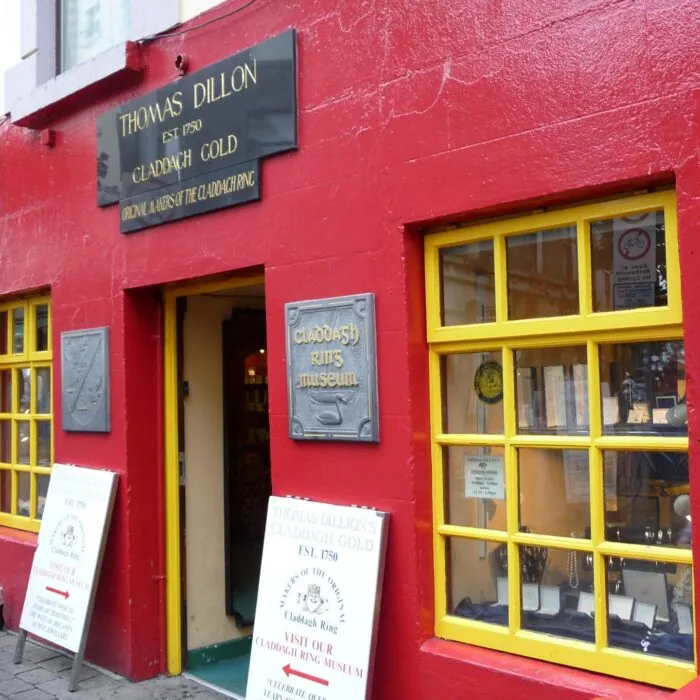
Claddagh is world-famous for the ring bearing its name. Its design depicts two hands holding a heart topped by a crown: the hands symbolise friendship, the heart love and the crown loyalty.
The modern design is associated with Richard Joyce, a Galway goldsmith active around 1700. As is often the case in Ireland, its history is intertwined with a legend involving capture by pirates, exile and a return home.
Salthill and the promenade overlooking the bay
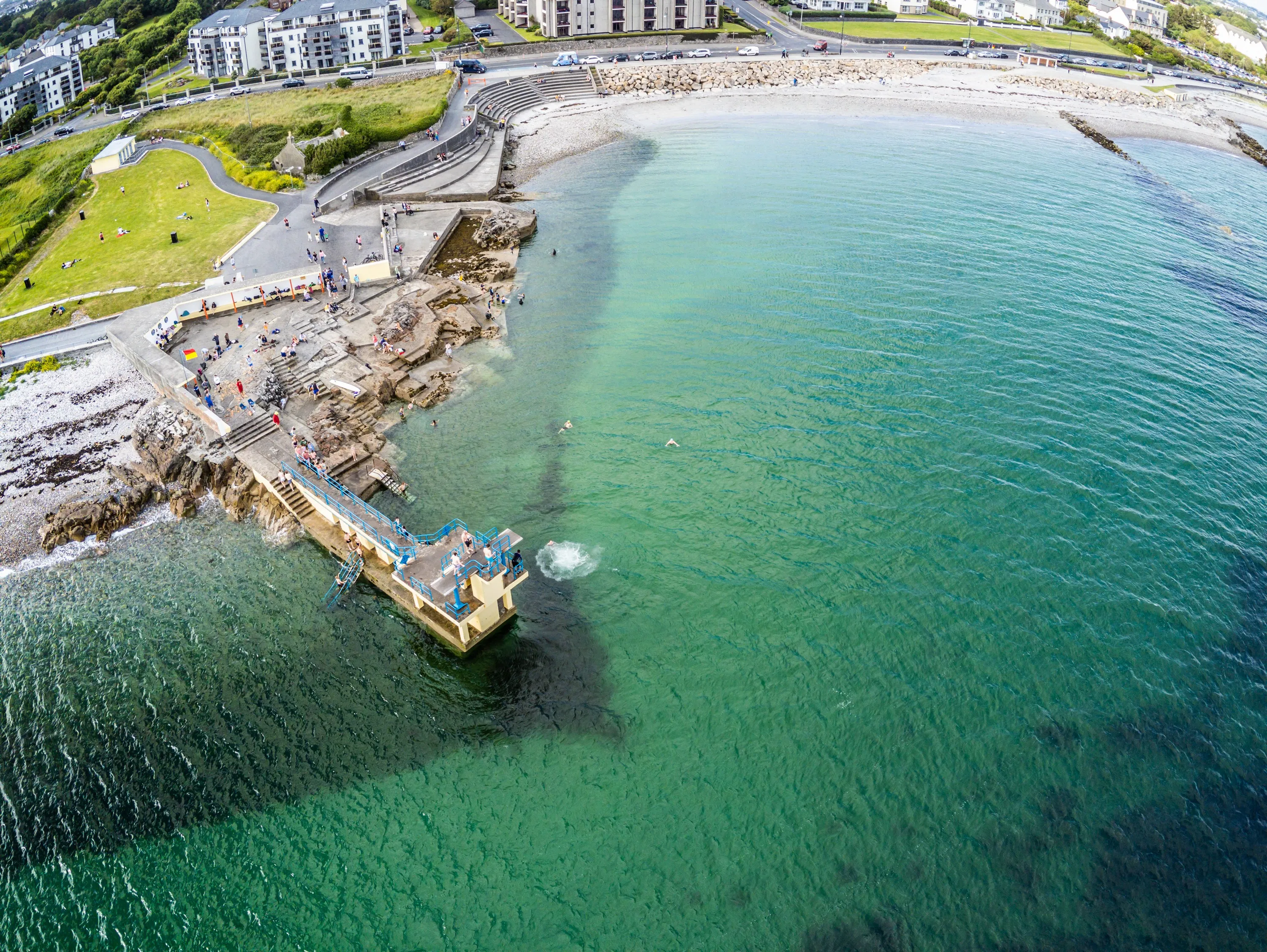
About two kilometres from the centre, Salthill turns Galway towards the open sea. Its promenade follows the bay for several kilometres, with the hills of the Burren visible on the horizon when the weather is clear.
Residents come here to walk, run or simply watch the light change over the water. At the end of the promenade, a local tradition is to kick the wall near Blackrock diving tower before turning back.
Blackrock remains a very popular swimming spot. However, the water is cold and currents can be strong. Check conditions, follow local guidance, and never dive without knowing the depth or the state of the tide.
Galway, a city of music and festivals
Major events throughout the year
Festivals are not a mere addition to Galway’s calendar: they are fully part of the city’s identity. Theatre, visual arts, music, literature, food and horse racing set the pace for much of the year.
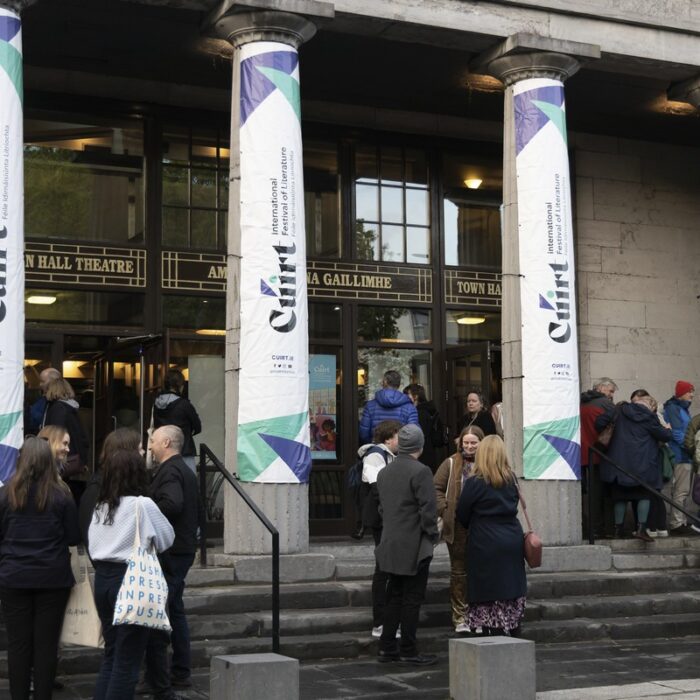
The Galway International Arts Festival is the most important cultural event. In 2026, its 49th edition takes place from 13 to 26 July, with theatre performances, concerts, monumental installations, dance, visual arts and international encounters.
The Galway Races, scheduled from 27 July to 2 August 2026, then transform the city. The races take place at Ballybrit Racecourse, but the excitement spreads to hotels, restaurants and pubs in the centre. Accommodation becomes particularly scarce and expensive.
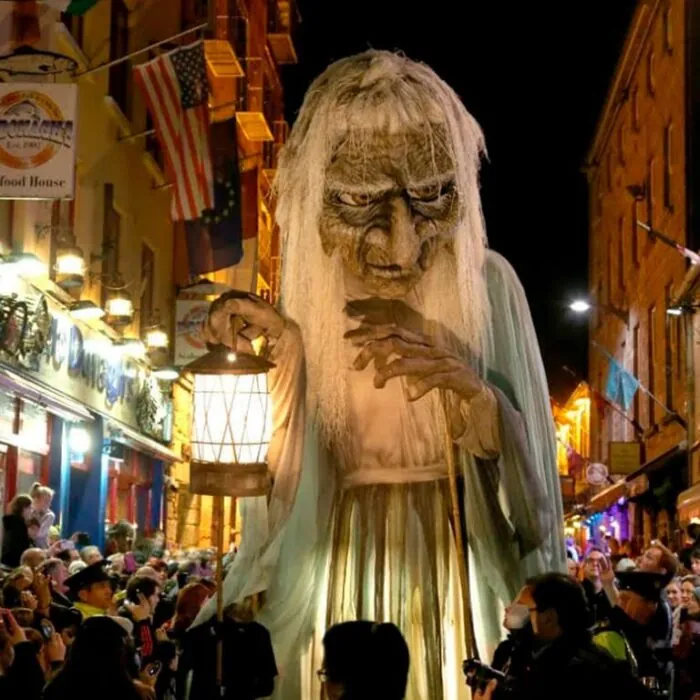
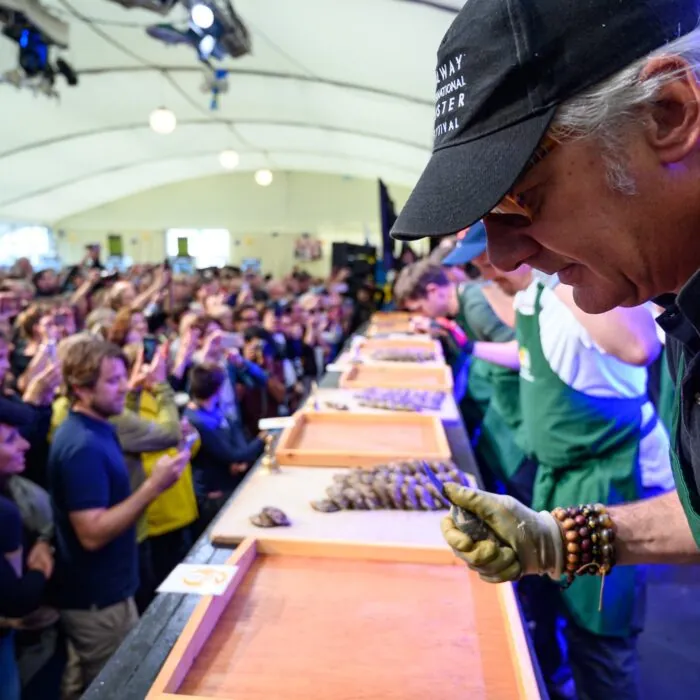
From 25 to 27 September 2026, the Galway International Oyster Festival celebrates bay oysters, seafood and the local maritime tradition. Autumn is also marked by the Galway Comedy Festival and Macnas’s major Halloween productions.
As dates may change, it is best to check the official programme before booking. During the major festivals, arrange accommodation several months in advance.
How many days are needed to visit Galway?
One day for the essentials, three days to enjoy it
One day is enough to discover the main sites in the centre: Eyre Square, Shop Street, St Nicholas’ Collegiate Church, the Latin Quarter, Spanish Arch, Galway City Museum and Claddagh. In the late afternoon, continue to Salthill before returning to the centre for dinner.
With two days, you can visit the cathedral, walk around the university campus, spend more time at the museum and enjoy the city after day visitors have left. An evening devoted to a traditional music session then becomes essential.
Three nights offer a more comfortable pace and make it possible to add an excursion to Connemara, the Cliffs of Moher or the Aran Islands. To explore several of these sites without constantly changing accommodation, Galway is an excellent base.
What to do around Galway?
Exploring Connemara from the city
To the west of Galway begins Connemara, a region of bogs, lakes and mountains where the Irish language remains very present. The landscapes gradually unfold after Spiddal, becoming wilder towards Roundstone, Clifden and Letterfrack.
Connemara National Park lies near Letterfrack, around 80 kilometres from Galway. Several trails allow visitors to discover the slopes of Diamond Hill and observe the Twelve Bens.
Nearby, Kylemore Castle and its estate are reflected in the waters of Pollacapall Lough. The journey from Galway takes around one and a half hours, longer if you make frequent photographic stops.
Without a car, guided excursions depart daily from Galway. They make it possible to discover the main landscapes, but impose a more rigid itinerary. To explore country lanes and villages at your own pace, a car remains the most flexible option.
Reaching the Aran Islands
The Aran Islands are among the most striking excursions from Galway. The largest, Inishmore, is home in particular to the prehistoric fort of Dún Aonghasa, perched on the edge of steep cliffs.
The main sea connection departs from Rossaveel in Connemara. Coach shuttles generally link Galway with the terminal to connect with ferries. Seasonal crossings may also be offered from Galway docks, depending on operators and sailing conditions.
Weather can lead to changes or cancellations. Bring waterproof clothing even when the sky appears clear at departure, and book early during the summer months.
Discovering the Cliffs of Moher and the Burren
The Cliffs of Moher are around 75 kilometres south of Galway. The drive usually takes between one and a half and two hours, depending on the route, traffic and stops, rather than two and a half hours as is sometimes stated.
The route crosses the Burren, a limestone plateau whose fissures shelter a surprisingly varied flora. Kinvara, Ballyvaughan, Poulnabrone Dolmen and Doolin can turn the journey into a real day of exploration.
Coach excursions connect Galway with the cliffs throughout the year. They are a practical option for travellers without a car, especially when the weather makes driving less pleasant.
When to visit Galway?
An appealing city in every season
From May to September, days are long and the city is at its liveliest. July brings several major events, but also the highest accommodation prices. August remains very busy, particularly during European holidays.
May, June and September often offer a good balance between daylight hours, cultural activity and reasonable visitor numbers. The weather remains unpredictable: a bright day can be interrupted by several showers before a clear sky returns in late afternoon.
Autumn gives Galway a more theatrical atmosphere. Winds strengthen, pubs regain a more local clientele and cultural events continue. In winter, days are short, but the Christmas market and lively indoor venues partly make up for the whims of the climate.
Whatever the season, bring a waterproof jacket and several light layers. In Galway, an umbrella sometimes withstands the wind less well than good rainwear.
Practical information for visiting Galway
Getting around Galway
The historic centre is compact and easy to explore on foot. A car becomes more of a constraint than an advantage in central streets, especially during weekends and festivals.
Urban buses serve Salthill, the university and outlying districts in particular. In 2026, the adult fare with a TFI Leap Card is €1.35 on the relevant urban services, compared with a higher regular cash fare. As prices may change, consult Transport for Ireland before your stay.
The TFI Live App allows users to search routes and check departures. Galway has neither a tram nor an underground system.
Where to park in Galway?
Several paid public car parks surround the city centre, especially near Ceannt Station, the harbour and the cathedral. Spaces in the heart of the city are quickly occupied and their duration may be limited.
During festivals and the Galway Races, traffic becomes particularly heavy. If your accommodation has parking, leave the car there and explore the centre on foot. For an excursion to Connemara, leave the city early to avoid delays.
Useful contacts and reference points
- Galway city centre: Eyre Square, Galway, Ireland.
- Approximate GPS coordinates for Eyre Square: 53.2743, -9.0490.
- Tourist office: the location and opening times of information points may change; check them before your visit.
- Currency: euro.
- Languages: English and Irish; French is sometimes spoken in tourist establishments.
- Emergency number: 112 or 999.
Budget to plan for
Galway is among the Irish cities where accommodation can become expensive, particularly on Fridays, Saturdays and during festivals. A centrally located double room frequently exceeds €150 per night in high season and can reach considerably higher prices during major events.
The main urban walks, St Nicholas’ Collegiate Church and outdoor spaces are free or accessible for a modest contribution. Galway City Museum generally offers free admission to its permanent collections.
For meals, prices are comparable to those in other Irish tourist cities. Pubs often serve lunch later than restaurants, while markets, bakeries and cafés make it easier to keep spending under control.
Advice before booking your stay
Book several months in advance if travelling during the Galway International Arts Festival, the Galway Races or the oyster festival. Also check cancellation conditions: the Atlantic climate can affect crossings to the Aran Islands and certain sea-based activities.
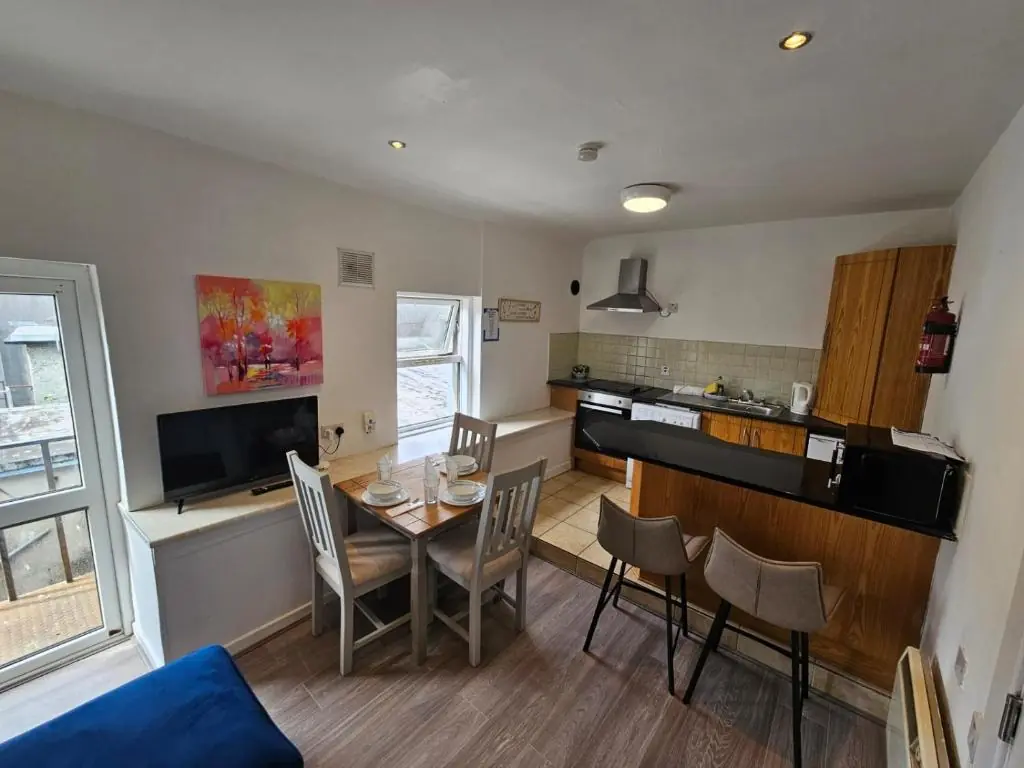
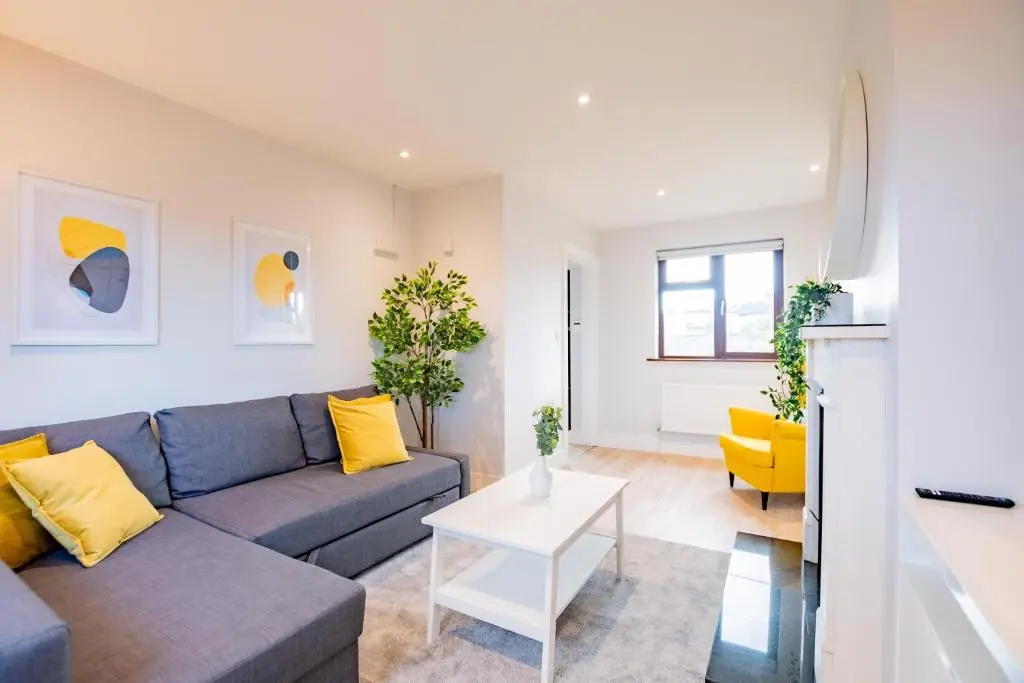
Choosing accommodation near Eyre Square, the Latin Quarter or the station makes it possible to visit the city without a car. Salthill offers a more open setting overlooking the bay, but requires a walk of around 25 to 35 minutes or a bus journey to reach the centre.
Finally, do not overfill your itinerary. In Galway, the best memories often arise between two visits: a ray of sunshine on the Corrib, a song heard behind a pub door, or a conversation started for no reason on a wind-swept street.

 +
+
 Tourist attractions
 Irish Restaurants and Pubs
 Partner Accommodations
 Campgrounds and Lodging