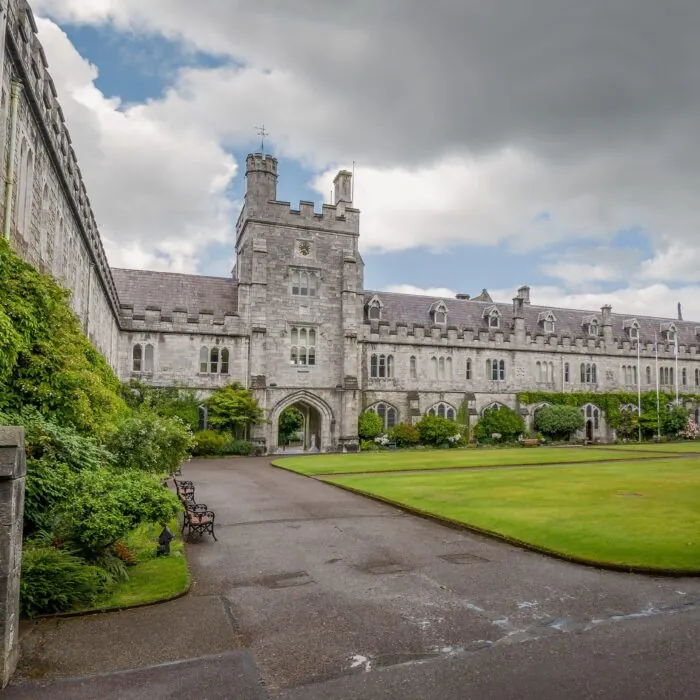
Make no mistake: Cork is a vibrant city where boredom is impossible! Cork is one of those Irish cities currently experiencing an exceptional boom, both culturally and economically. This university city offers plenty of activities, and you will thoroughly enjoy discovering the joys of a deeply lively city, with museums, heritage, concerts, fine dining, and sightseeing tours!
History of Cork
Cork develops from the 6th century
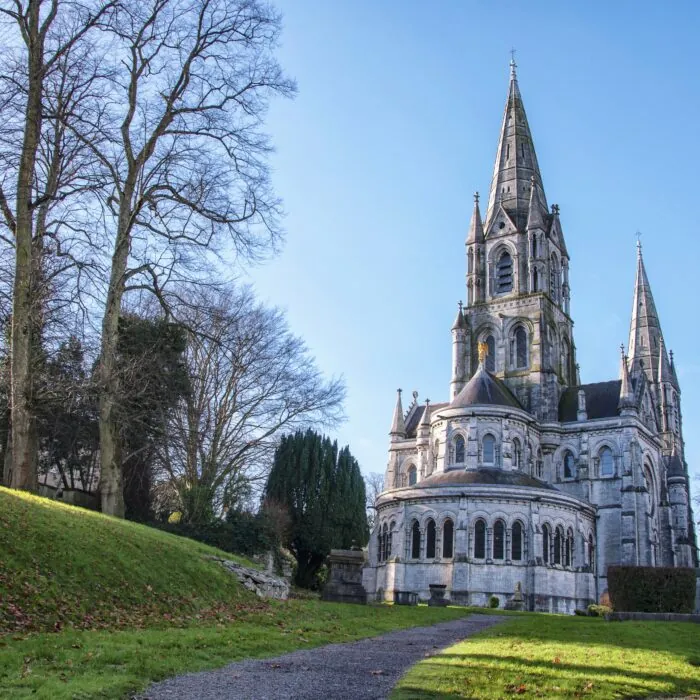
The earliest origins of the city date back to the 6th century, when Saint Finbarr built a monastery where priests and devotees gathered for ecclesiastical learning. This monastic life gradually expanded, forming a true hamlet where the knowledge of the time was taught, including mastery of ancient texts and the learning of Gaelic.
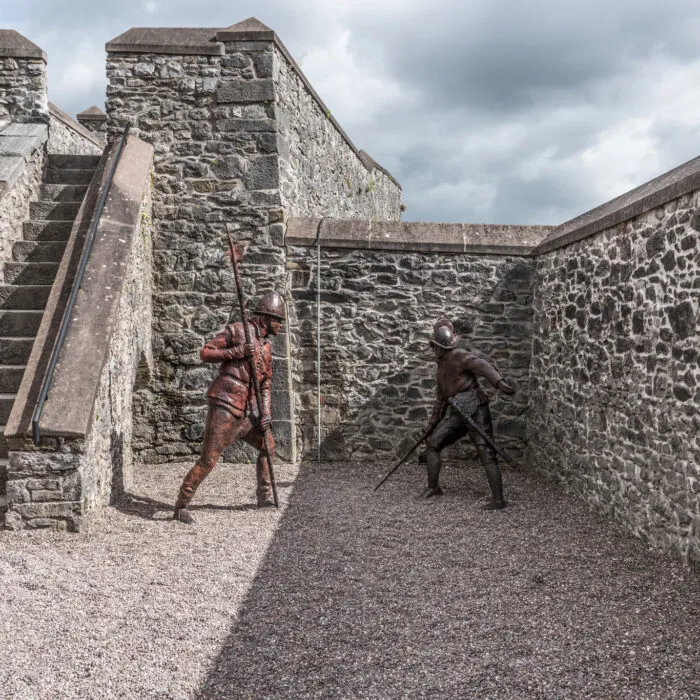
Over the years, Cork grew and was fortified with walls, some of which remain intact to this day.
However, the Viking invasions of the 8th century had unfortunate consequences for the city, which suffered numerous attacks and assaults. The city was regularly destroyed and rebuilt during this period. By the 12th century, Cork’s influence had greatly expanded, becoming the most important city in the kingdom of Munster.
Cork, a player in the Anglo-Irish conflict
Cork quickly became a strategic city in the eyes of the English, who annexed it in 1185. This act triggered numerous battles between the English and Irish over the centuries, and in 1690 the city experienced repression by the Protestant armies of William of Orange.
The 18th century was a critical period for the city, which suffered terrible losses during the Great Famine, losing more than 25% of its total population. Many inhabitants emigrated to the United States in search of a better life, depleting Cork of its workforce.
Cork in favor of the creation of a Free Irish State…
The 1900s were marked by many conflicts as the Irish continued their struggle to legitimize the creation of a free and independent Irish State. Cork was among the cities asserting this desire to free itself from English oppression, supporting the actions of the IRA and protecting activists like Michael Collins. During this struggle, Cork suffered many acts of violence, and the Black and Tans destroyed the City Hall in a massive fire.
It is important to emphasize that Cork has remained defiant against its enemies throughout its history. This stance earned it the reputation of being a “rebel” city, which, according to its inhabitants, deserves the status of Irish capital more than Dublin. (This claim sometimes annoys Dubliners, creating some rivalries between the two cities even today.)
The second half of the 20th century made Cork a deeply industrial city, where many investors committed significant capital to the development of shipyards and other pharmaceutical and high-tech companies. Today, Cork is experiencing remarkable economic and cultural growth, making it a particularly pleasant place.
Visiting Cork
A young, active, and culturally rich city
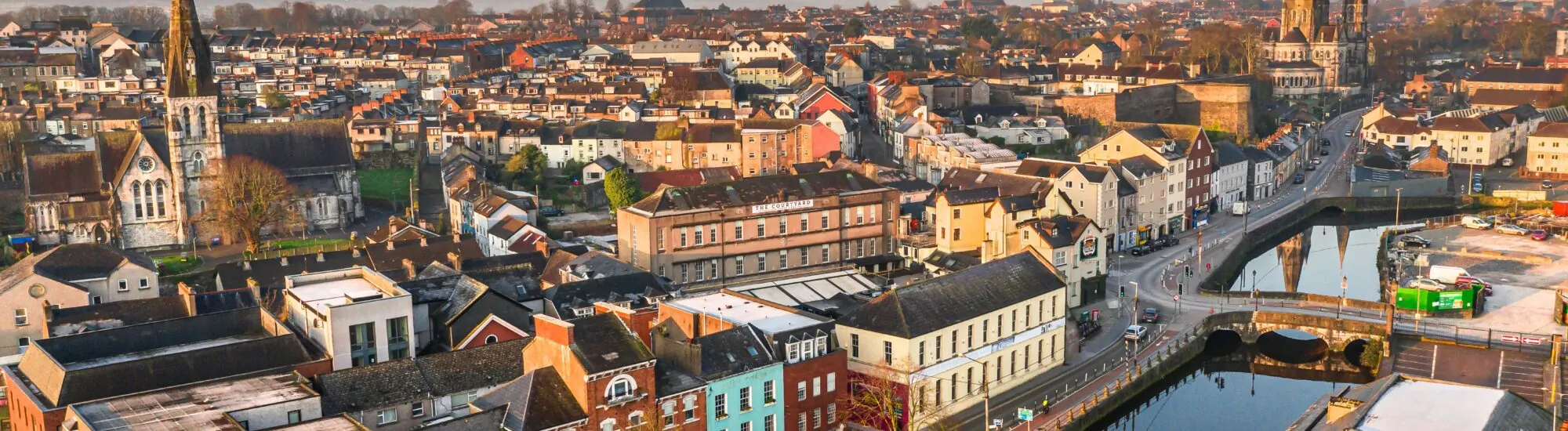
Do not be misled by the industrial complexes on the outskirts of the city. Cork is definitely worth a visit! The city is located 15 km from the coast, at the end of a harbor well protected from maritime weather conditions.
We love its lively streets, deeply vibrant, living to the rhythm of ancient traditions and the more modern lifestyle. A true bridge between past and present where every resident lives life to the fullest while remaining welcoming and accessible.
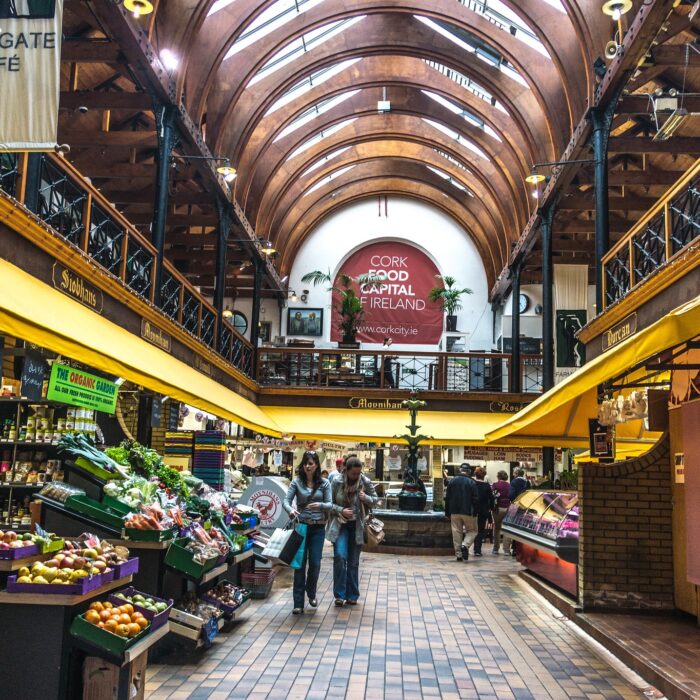
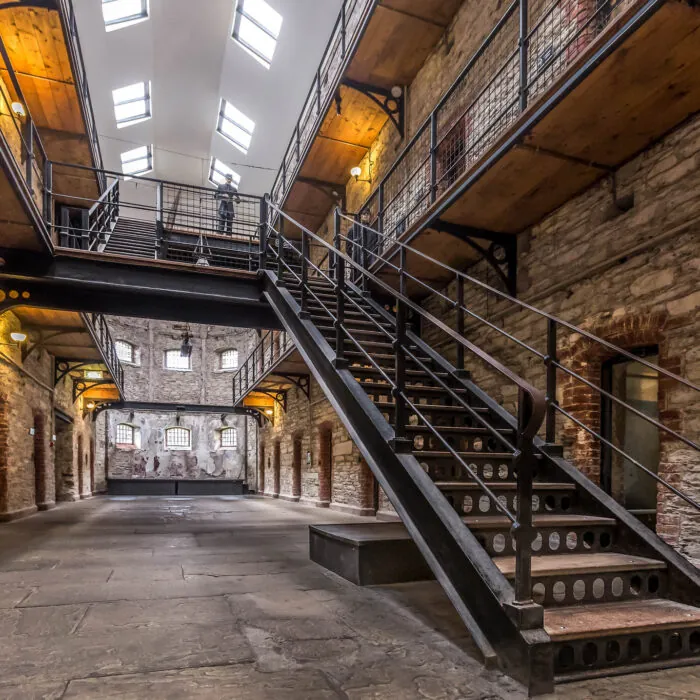
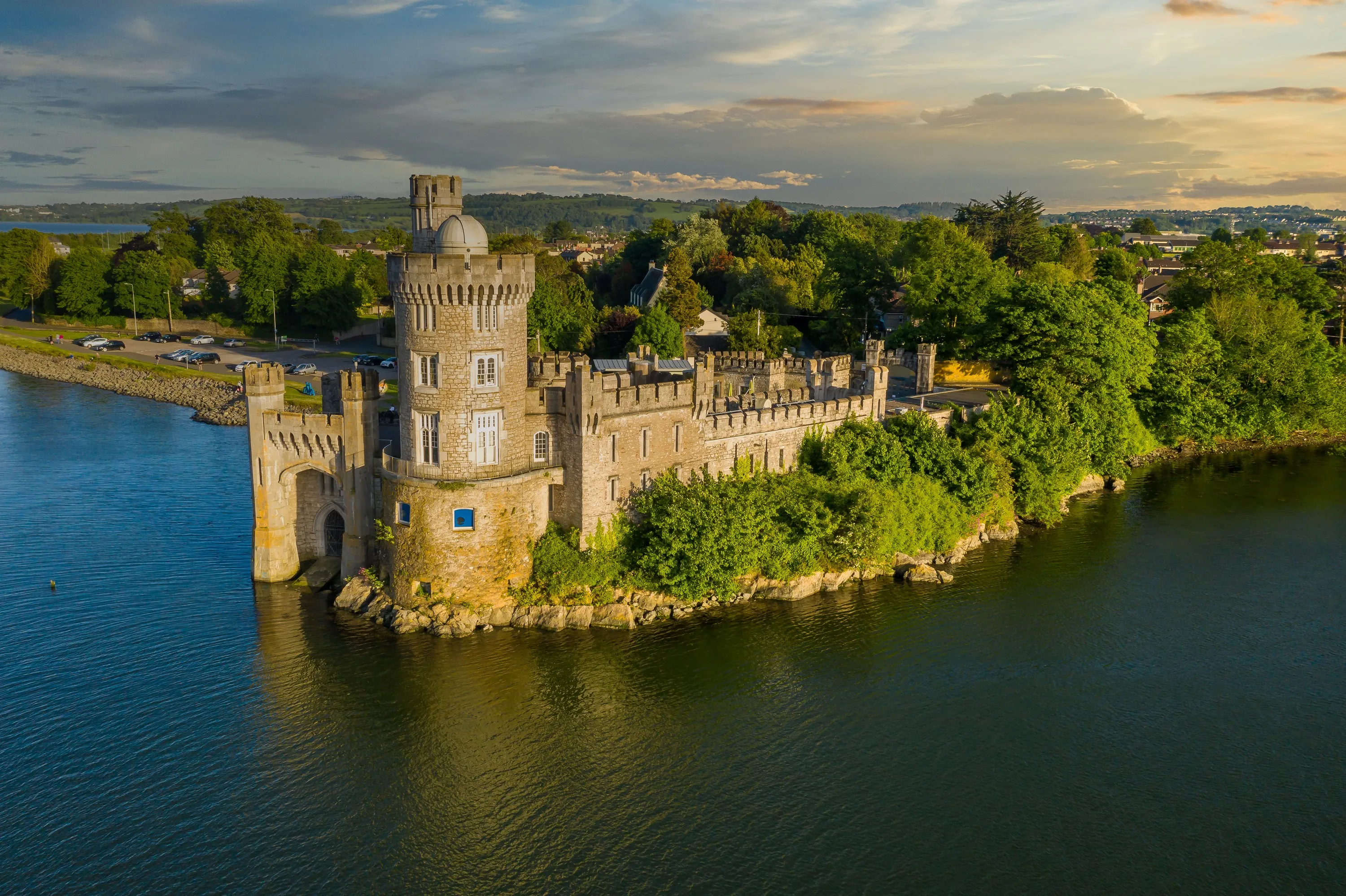
Among Cork’s must-see tourist attractions, don’t miss the English Market, a food market showcasing the region’s gastronomic products. Also be sure to visit the Blackrock Castle Observatory, a medieval castle serving as an astronomy observation base, and the Cork City Gaol, a historic prison open for tours.
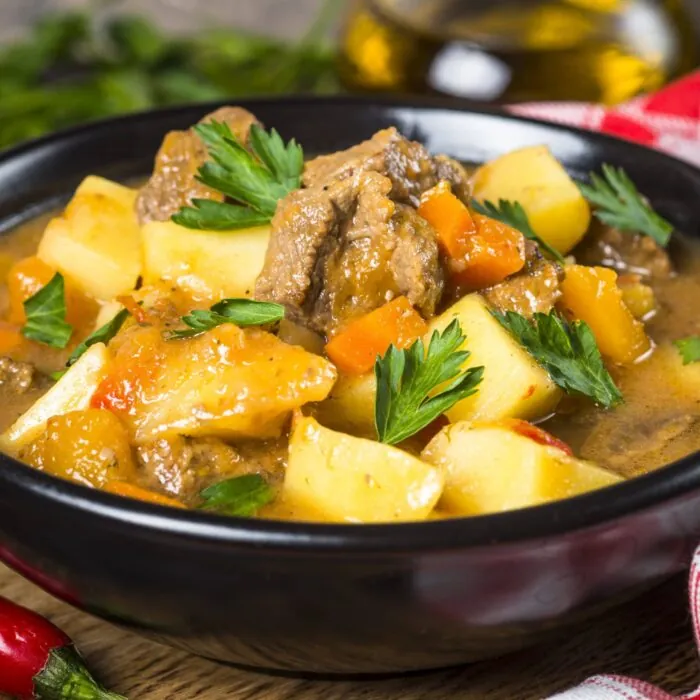
Finally, Cork’s unique atmosphere is found in its Irish pubs and local restaurants. It is a great pleasure to sip a pint while listening to live traditional music. A typically Irish ambiance where locals and travelers easily mingle in a friendly and warm setting!
A must experience!

 +
+
 Tourist attractions
 Irish Restaurants and Pubs
 Partner Accommodations
 Campgrounds and Lodging