
Irish literature
Practice

Irish literature

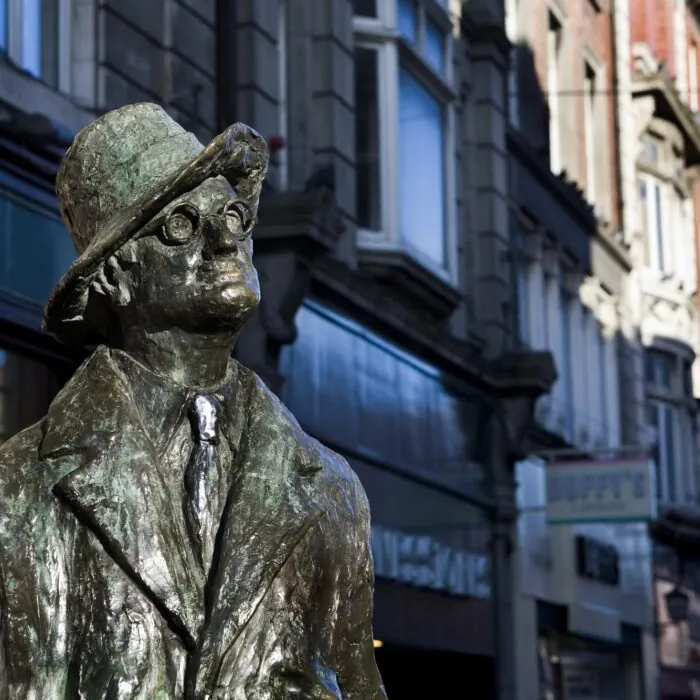
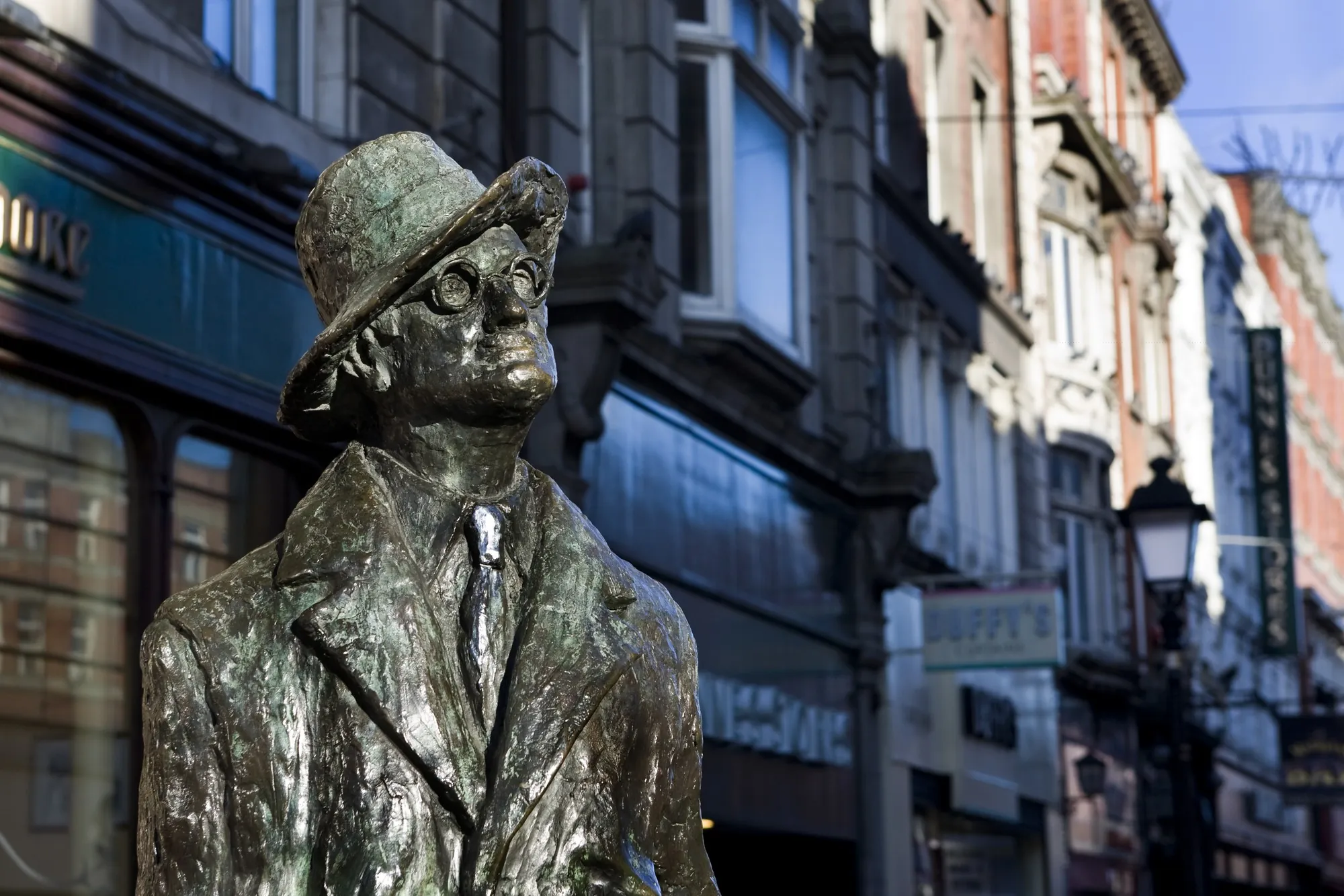
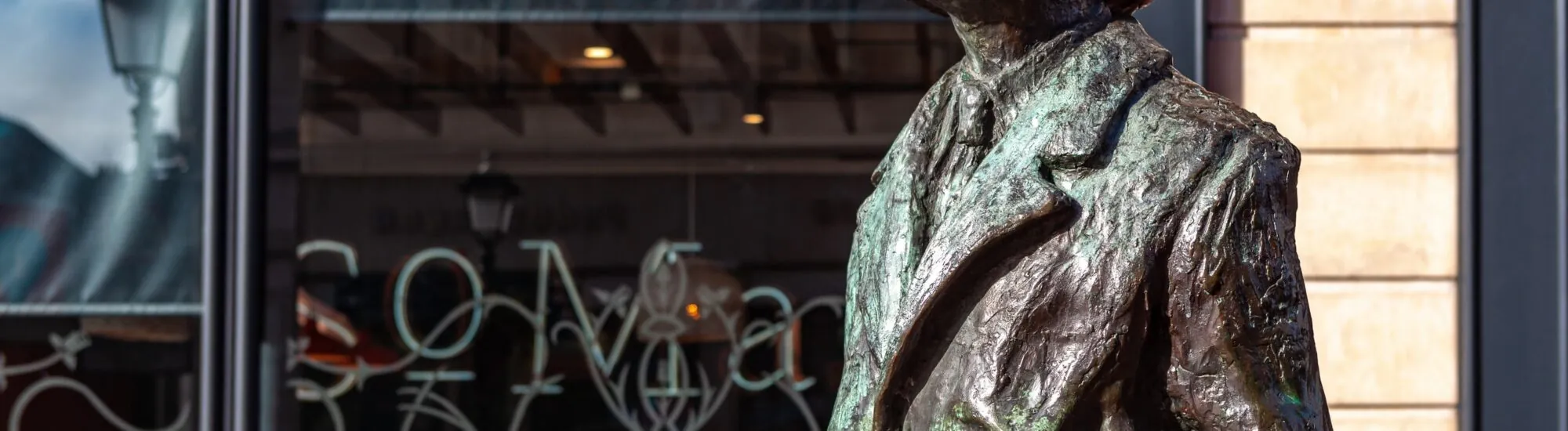
La James Joyce Statue à Dublin - © Dominionart
Planning Your Trip

Irish literature : les infos utiles avant de partir

Irish literature: a mirror of a nation between myths, poetry, and modernity

Irish literature : the must-haves

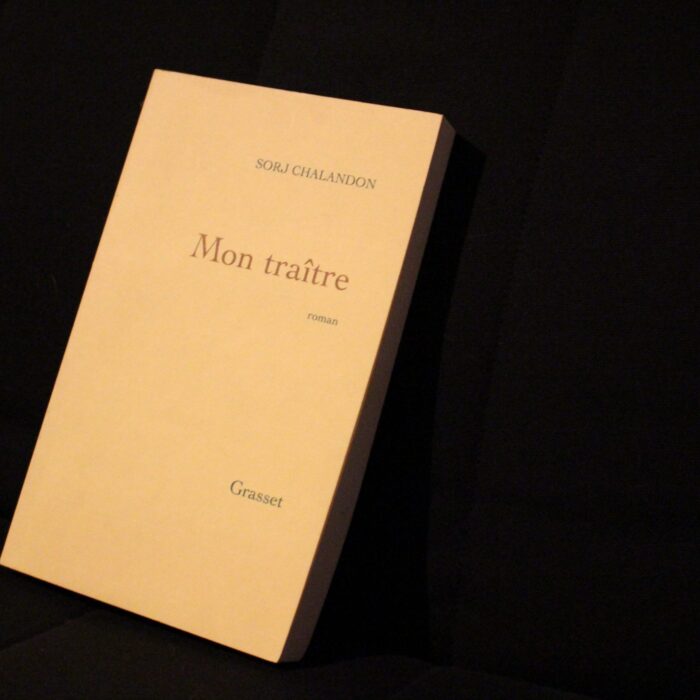
mon traitre 001 scaled

My Traitor

Imagine a bloodless Northern Ireland, trapped in a dirty war of armor and barbed wire. A context torn by community wars, ideals…
1 étoile2 étoiles3 étoiles4 étoiles5 étoiles 3.86/5 (7 votes)
retour killybegs scaled

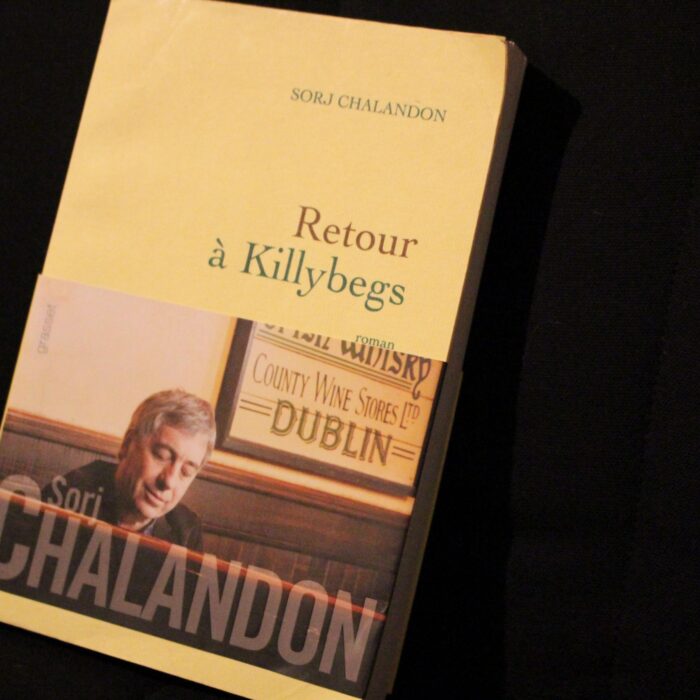
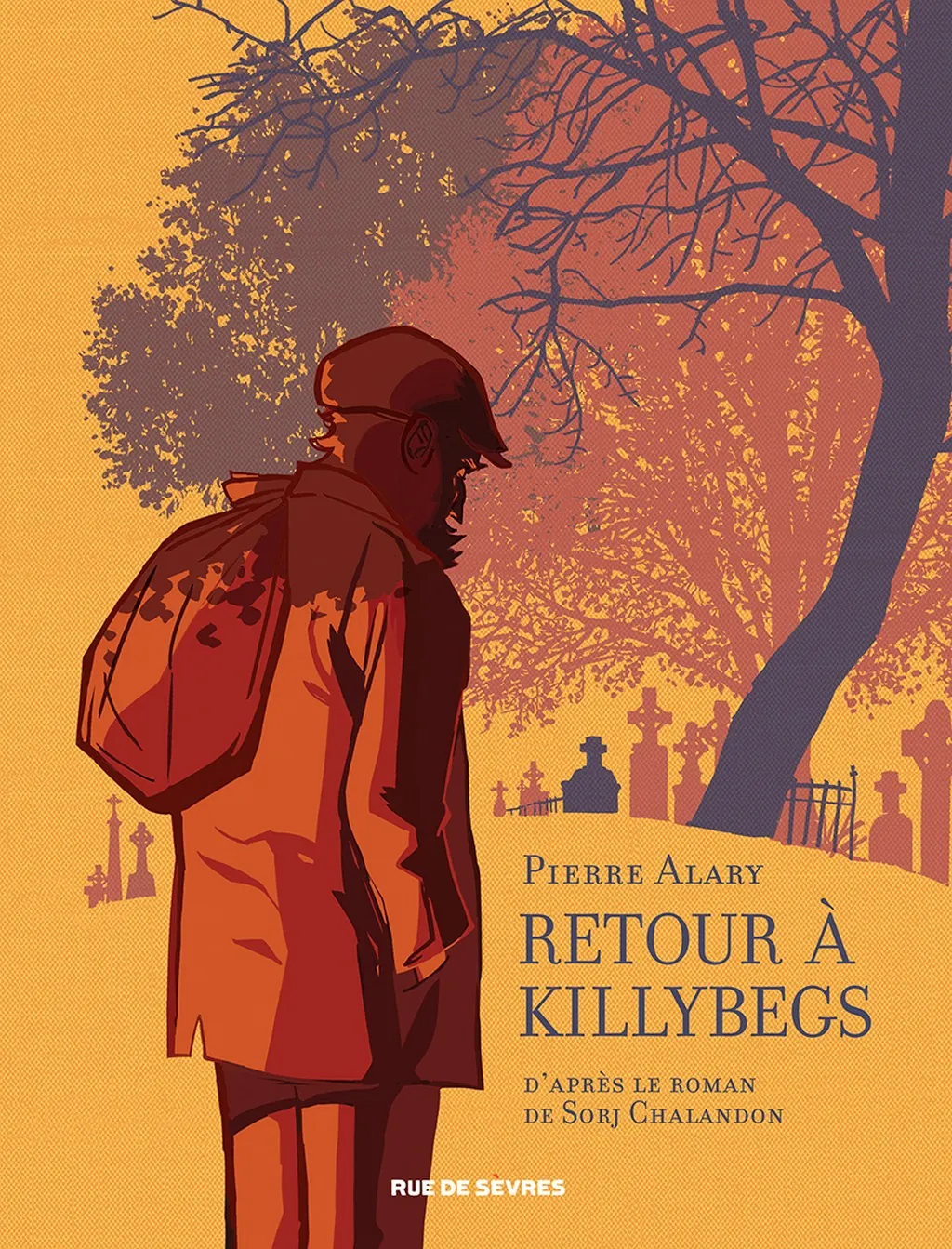
Back to Killybegs

Sorj Chalandon’s 2008 novel “Mon Traître” (My Traitor) tells the true, auto-biographical story of a betrayed friendship, in which the author befriends…
1 étoile2 étoiles3 étoiles4 étoiles5 étoiles 4.33/5 (3 votes)

À lire aussi

News irish

Irish literature

Ireland is a land of words. From the mythological tales of the Celts to contemporary novels winning international awards, Irish literature is a thread running through the national identity. It tells of struggle, exile, memory, but also the humor and vitality of a people whose imagination has always rivaled the harshness of reality.

Mythological and Medieval Origins

From Celtic Tales to Monastic Manuscripts

Irish literature has its roots in oral tradition. The Celtic myths, such as the Ulster Cycle or the Mythological Cycle, recount the exploits of heroes like Cú Chulainn or the deities of the Tuatha Dé Danann. These stories, passed down by bards and filid, reflect a society where memory and speech held sacred value.

With the arrival of Christianity, Ireland became an intellectual center. Monks copied and embellished Latin and Gaelic texts, giving rise to famous manuscripts like the Book of Kells (8th century). This fusion of pagan and Christian, oral and written, is one of the unique features of ancient Irish literature.

Gaelic Poetry and Oral Tradition

From Bards to Diaspora Poets

For centuries, poetry was the preferred literary form in Ireland. Bards composed poems celebrating clans, nature, or love. Even after the English conquest, Gaelic poetry remained a tool of cultural resistance.

In the 17th and 18th centuries, as the Irish language declined, poets like Aogán Ó Rathaille and Eoghan Rua Ó Súilleabháin kept this tradition alive. The Irish diaspora, especially in the United States, also maintained poetry of exile and nostalgia.

The 19th Century and the Literary Revival

Between Romanticism, Nationalism, and Exile

The 19th century was marked by the Great Famine (1845–1852), which inspired many stories of exile and survival. Literature became a tool of memory and protest.

The Celtic Revival movement, at the century’s end, sought to revive Gaelic culture. Authors like W. B. Yeats, future Nobel laureate, and Lady Gregory collected and reinterpreted popular legends. Their work, between poetry and theater, reaffirmed the uniqueness of Irish identity.

At the same time, exiled writers made their mark in English-language literature. Oscar Wilde, with his brilliant plays and sharp wit, embodied the dandy spirit while carrying the soul of Dublin.

The 20th Century and the Golden Age of Irish Writers

From Joyce to Beckett, the Revolution of Words

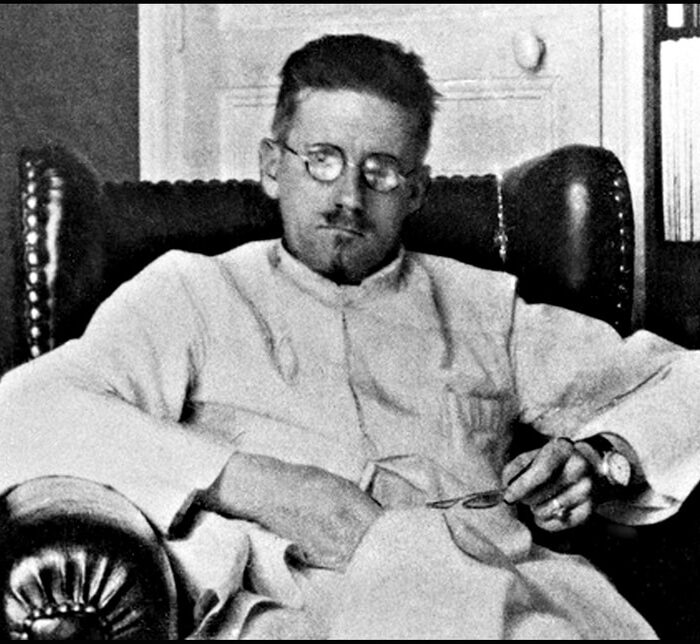
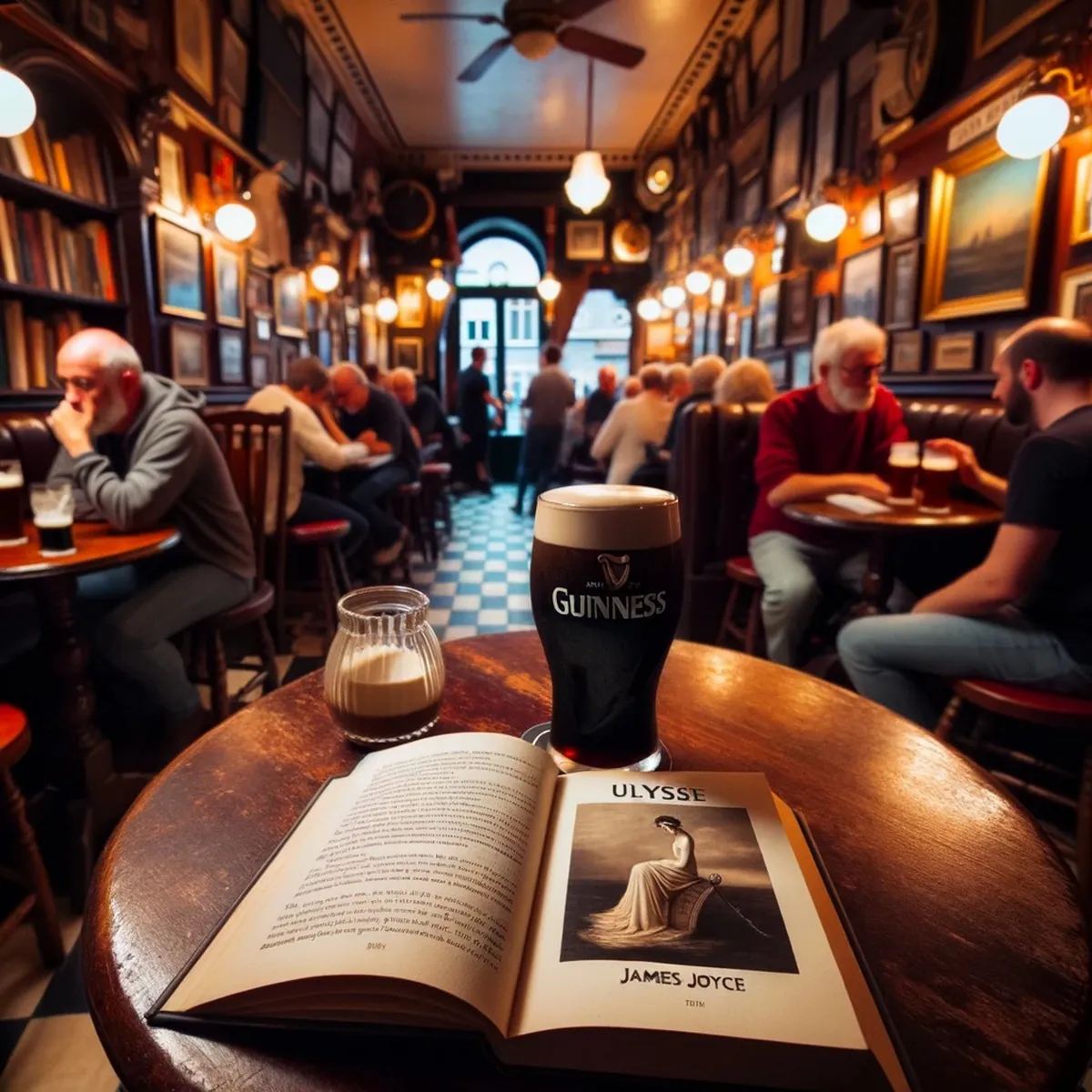
The 20th century established Irish literature as a global force. In 1922, James Joyce published Ulysses, an innovative novel that revolutionized modern literature with its style, interior monologues, and Dublin setting.

Samuel Beckett, Nobel laureate in 1969, continued this revolution with minimalist and absurd theater (Waiting for Godot). His works, written in French and English, express the human condition in its rawest form.

In a more popular but equally significant vein, Seán O’Casey and his social theater depicted the daily life of Dublin’s working classes, blending humor, drama, and politics.

Poetry also flourished with voices like Patrick Kavanagh, who made Irish rural life a major literary theme.

Irish Nobel Prize Winners

International Recognition

Ireland boasts an impressive number of Nobel laureates in literature, demonstrating the vitality of its writing.

  • W. B. Yeats (1923), for poetry rooted in symbolism and myth.
  • George Bernard Shaw (1925), a playwright with a critical and engaged spirit.
  • Samuel Beckett (1969), master of the absurd and minimalism.
  • Seamus Heaney (1995), a contemporary poet who transformed everyday life and Ireland’s memory into universal poetic material.

These awards establish Ireland as a land of literature with influence disproportionate to its size.

Contemporary Irish Literature

A Diversity of Modern Voices

Today, Irish literature continues to be abundant and recognized. Contemporary authors like Colm Tóibín (Brooklyn), Roddy Doyle (The Commitments), and Anne Enright (Booker Prize 2007 for The Gathering) explore recent history, social changes, and the identity challenges of modern Ireland.

The literary scene has also opened to new themes: immigration, diversity, feminism, postcolonial memory. Writers like Sally Rooney, with Normal People and Conversations with Friends, represent a new generation engaging with the world without renouncing their Irish roots.

Irish Literature, Between Memory and Future

A Living and Universal Heritage

What distinguishes Irish literature is its local grounding and universal reach. Whether mythological tales, Gaelic Revival poets, or contemporary novelists, Irish authors transform their national experience into universal material.

The memory of exile, poverty, and the struggle for independence is ever-present but always reinvented with humor, inventiveness, and depth. Ireland thus remains a nation of storytellers, where every word reflects both a wound and a rebirth.

Free Ireland travel guide
Free guide

Planning a trip to Ireland?

Receive our free travel guide and discover the very best places, itineraries and practical tips to prepare your stay.

Culture, history, must-see attractions and local advice delivered directly to your inbox.