Irish history
Practice

Irish history

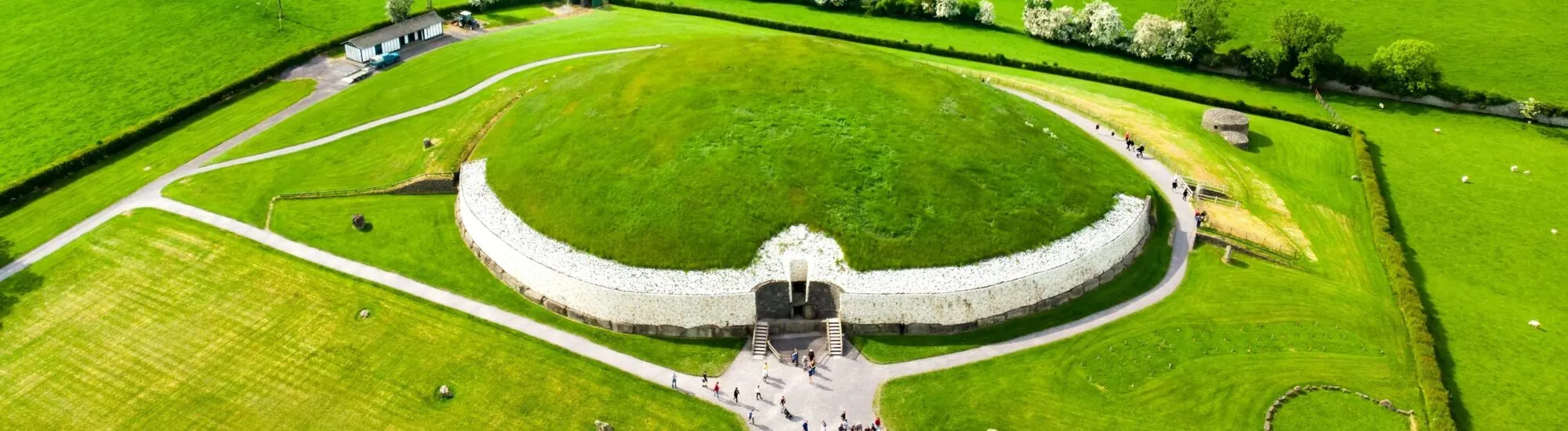
Newgrange - © MNStudio
Planning Your Trip

Irish history : les infos utiles avant de partir

Looking back at the past to better understand today’s Ireland...

Irish history : the must-haves


À lire aussi

News irish

Irish history

Ireland is a land whose history is as complex as it is fascinating. Marked by Celtic myths, Viking invasions, English colonization, famine, exile, and the struggle for independence, it has forged a unique identity, made of resilience and creativity. Tracing Irish history is to journey through a narrative spanning several millennia, where legends, conflicts, and renaissances intertwine.

Celtic and Mythological Origins

The First Inhabitants and Founding Stories

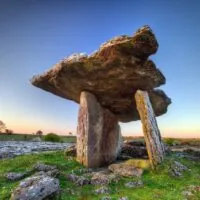
The first inhabitants of Ireland arrived as early as prehistoric times, leaving behind impressive monuments such as Newgrange, dated around 3200 BC, older than Stonehenge and the Egyptian pyramids.

From the first millennium BC, the Celts settled on the island, imposing their language and culture. From this era come the great mythological cycles, like the Ulster Cycle or the Mythological Cycle, populated by heroes such as Cú Chulainn and gods like the Tuatha Dé Danann.

These stories, orally transmitted by druids and bards, form the foundation of Irish cultural identity.

Christianity and the Monastic Golden Age

Saint Patrick and the Learned Monks

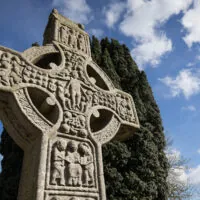
In the 5th century, the arrival of Christianity transformed the island. Saint Patrick, the legendary evangelist, introduced the new faith while drawing on local traditions. The shamrock, symbolizing the Trinity, became a national emblem.

Medieval Ireland then experienced a monastic golden age. Monks founded monasteries that became centers of learning and manuscript copying. The Book of Kells, an 8th-century masterpiece of illumination, testifies to this cultural wealth. Ireland earned the nickname “the island of saints and scholars.”

Viking Invasions

Emerging Towns and Conflicts

From the 9th century, Vikings began attacking the Irish coasts. They plundered monasteries but eventually settled and founded towns such as Dublin, Wexford, Waterford, and Limerick.

Gradually, they integrated into Irish society and contributed to commercial development. This period marks Ireland’s entry into a broader trade network linking Northern Europe to the Mediterranean.

The Anglo-Norman Conquest

The Arrival of New Rule

In 1169, the Anglo-Normans, coming from Wales, invaded Ireland. Under the reign of Henry II of England, the island became a territory under English influence.

In the following centuries, Norman lords settled and built castles, sometimes adopting local customs. However, English control remained limited, concentrated around Dublin in an area called The Pale.

Wars and English Domination

Rebellions, Confiscations, and Plantations

From the 16th century, England more firmly imposed its authority. Under Elizabeth I and James I, Gaelic rebellions were crushed and lands confiscated. English and Scottish settlers established themselves in Ulster during the Plantations, profoundly altering demographics and sowing seeds of future divisions.

The 17th and 18th centuries saw the implementation of the Penal Laws, which discriminated against Catholics, preventing them from owning land, practicing certain professions, or freely practicing their religion.

The 19th Century and the Great Famine

A National Tragedy

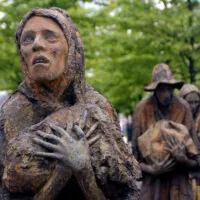
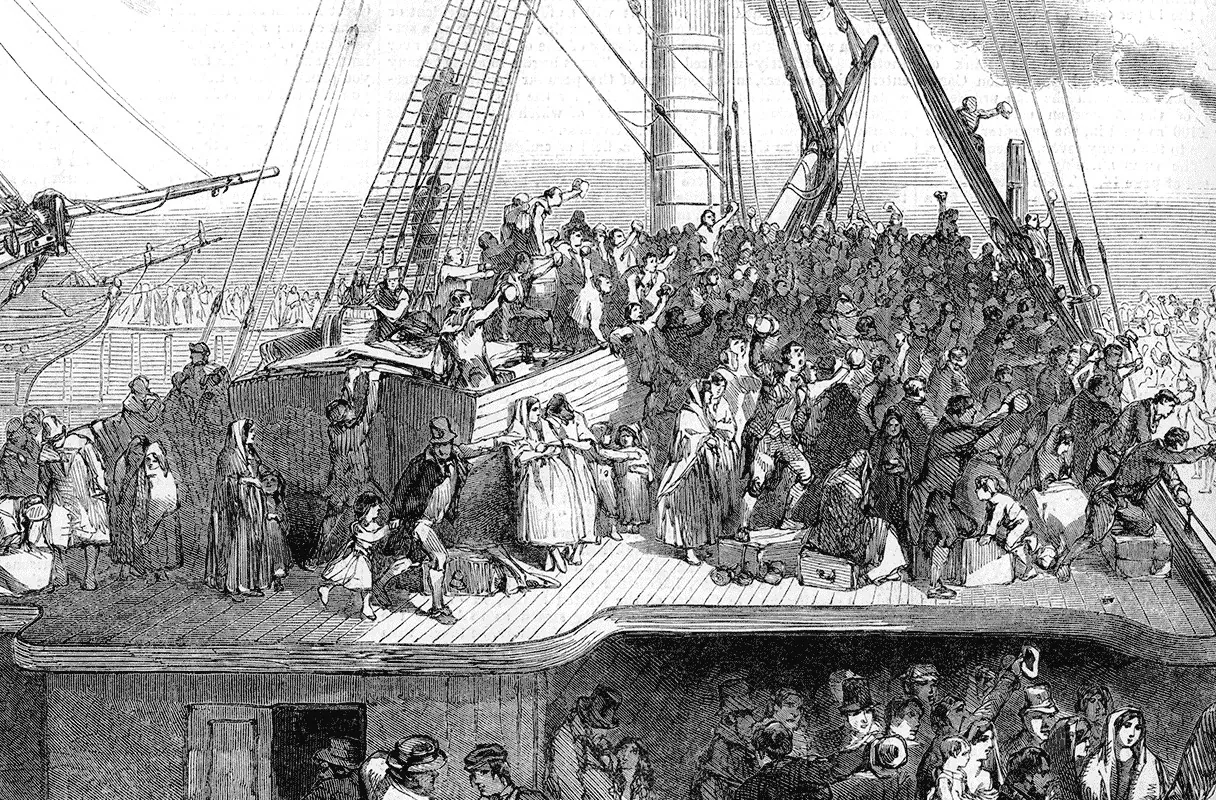
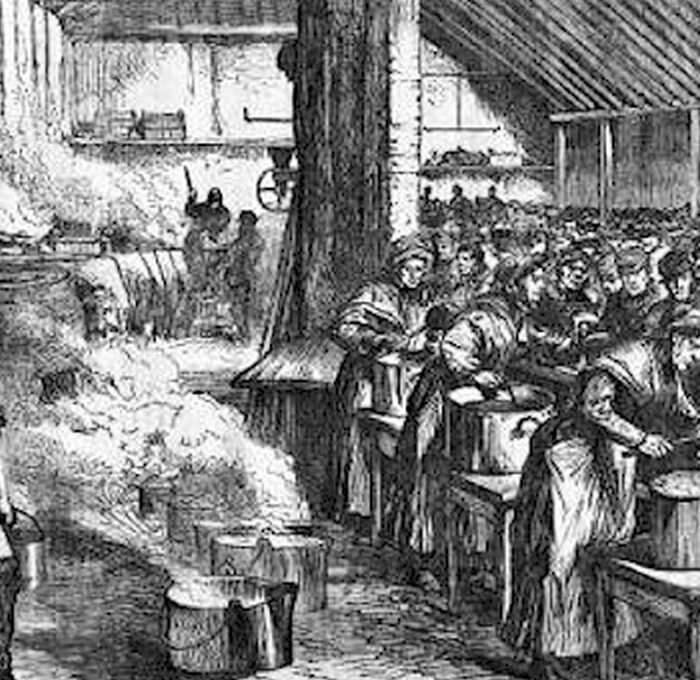
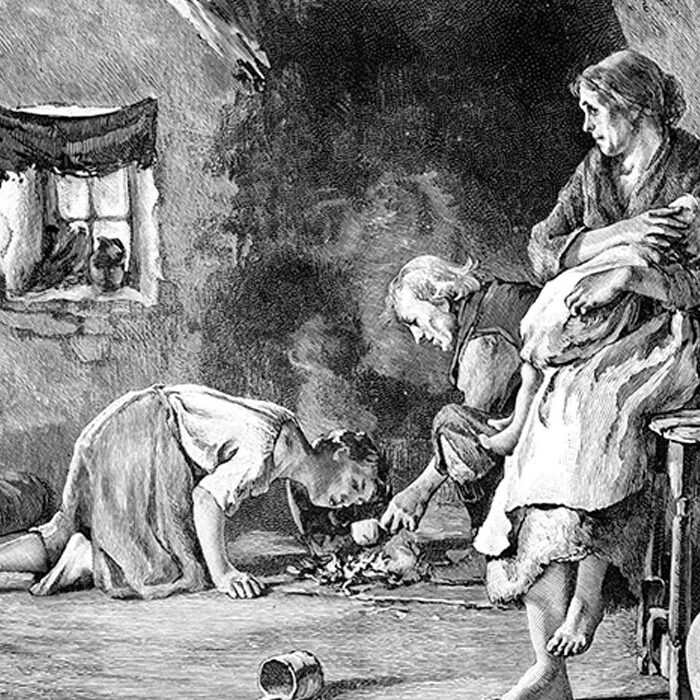
The 19th century was marked by British domination and economic dependence on the potato. When blight destroyed the crops between 1845 and 1852, the Great Famine caused the death of one million people and forced emigration of two million others.

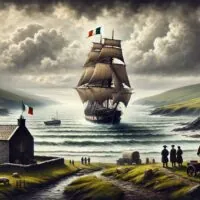
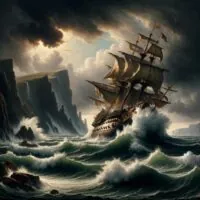
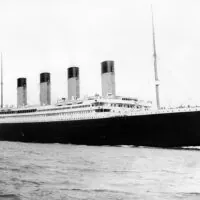
Ships bound for the United States, Canada, or Australia carried part of the population. This massive diaspora has left a lasting mark on Irish identity and its connection to the world.

The Nationalist Awakening

Home Rule and Revolts

In response to British domination, nationalist movements developed. The Home Rule, aiming to grant Ireland internal autonomy, mobilized part of the political class in the 19th century but faced unionist opposition.

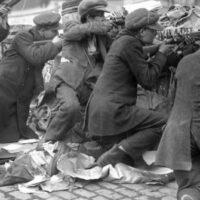
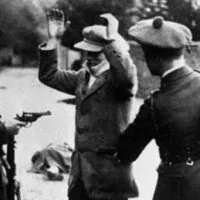
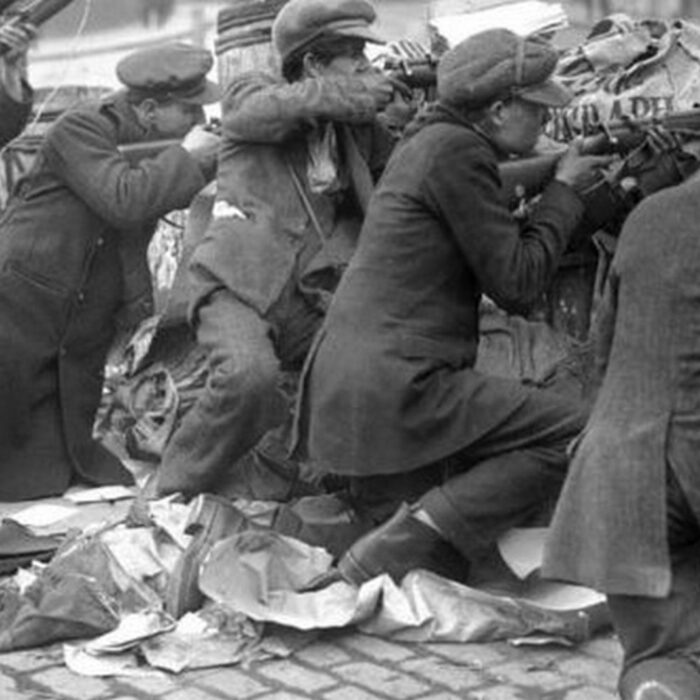
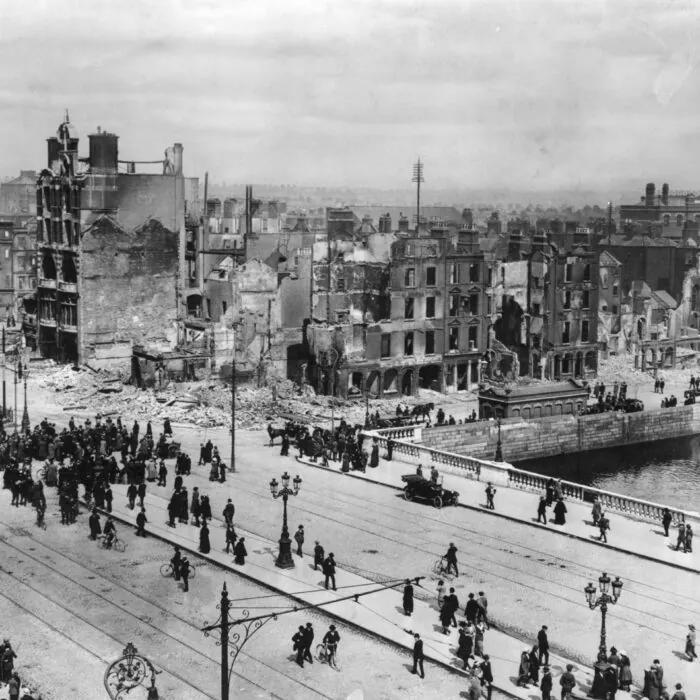
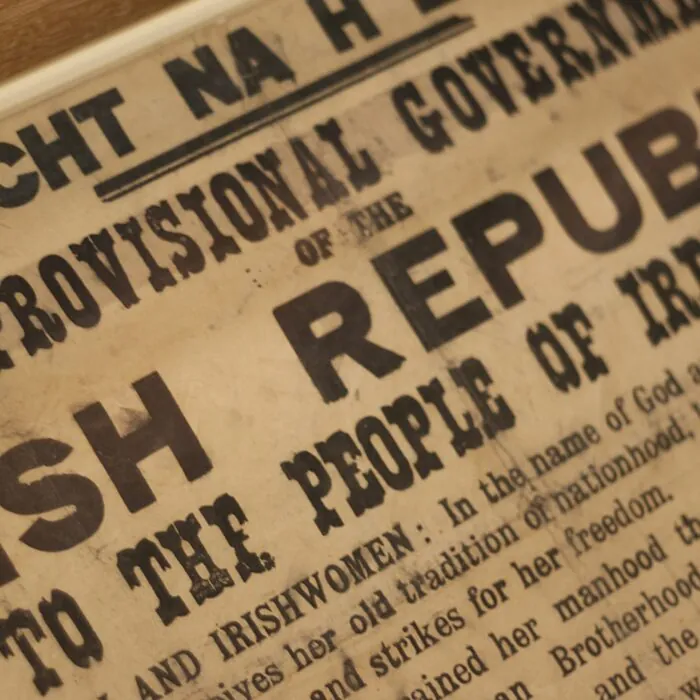
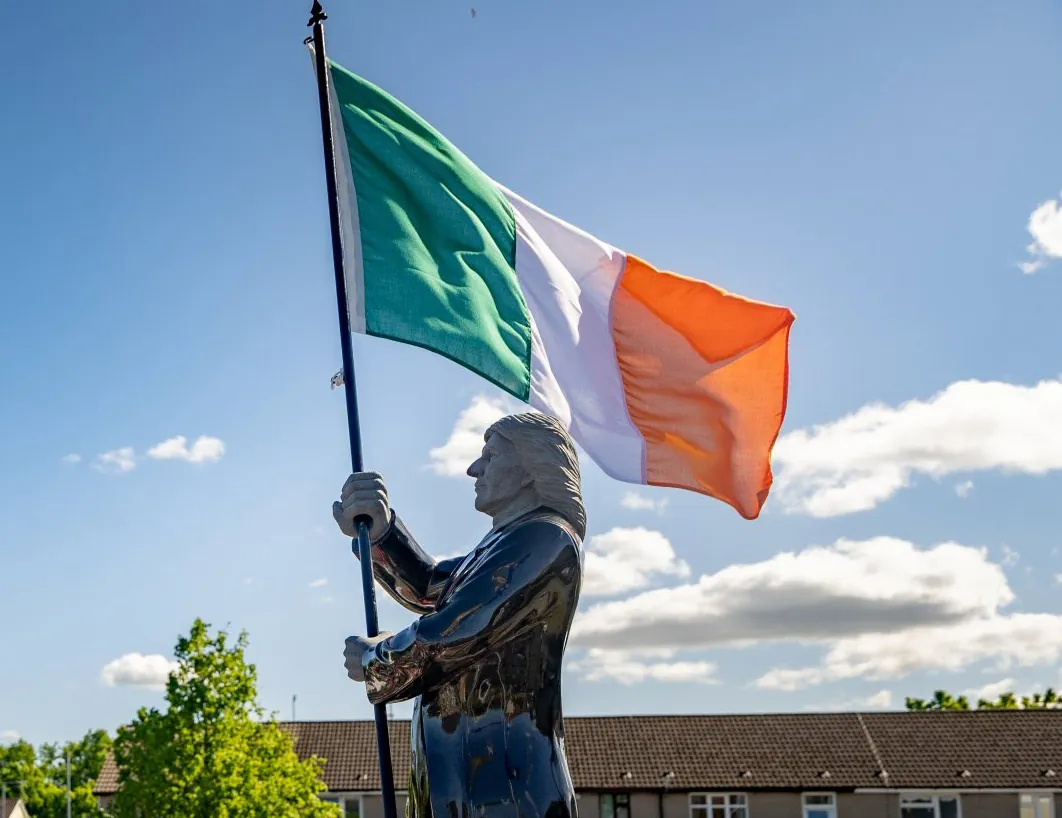
In 1916, the Easter Rising broke out in Dublin. Although suppressed, it became a symbol of the fight for independence. In the following years, the Irish Republican Army (IRA) waged guerrilla warfare against British forces.

Independence and Partition

From the Free State to the Republic

The 1921 Anglo-Irish Treaty ended the War of Independence. It created the Irish Free State, an autonomous dominion, but kept six Ulster counties within the United Kingdom: this was the partition.

This division sparked a civil war between supporters and opponents of the treaty. Ultimately, in 1937, a new Constitution affirmed the country’s sovereignty, and in 1949, Ireland officially became an independent Republic.

Northern Ireland and the Troubles

An Identity and Political Conflict

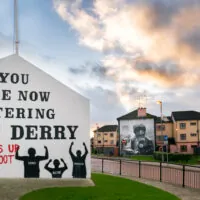
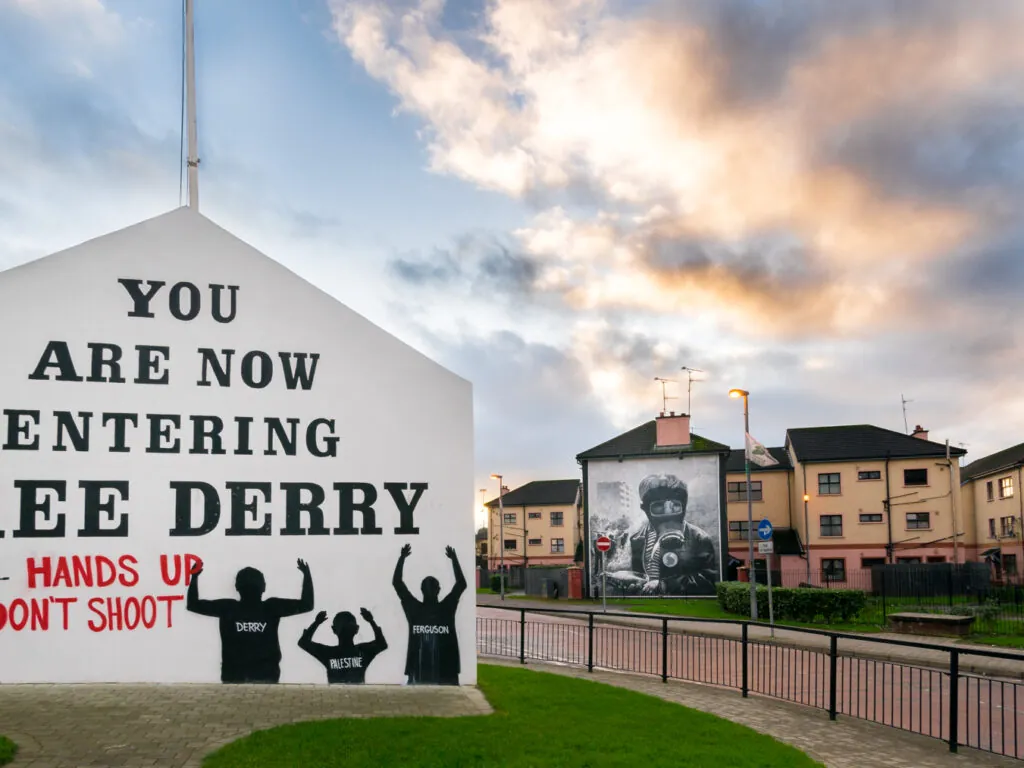
In Northern Ireland, coexistence between Protestant unionists and Catholic nationalists remained tense. From the late 1960s, the Troubles plunged the region into violence: bombings, military repression, and community clashes caused over 3,500 deaths.

The peace process culminated in 1998 with the signing of the Good Friday Agreement, establishing power-sharing and opening a new era of reconciliation.

Modern Ireland

From Emigration to Prosperity

In the 20th century, Ireland transitioned from a poor country marked by emigration to a dynamic economy. Joining the European Economic Community in 1973 and the Celtic Tiger of the 1990s–2000s propelled the country toward modernity.

Today, Ireland is a recognized democratic state, a major player in the European Union, and proud of its cultural heritage. Its history, marked by pain and rebirth, continues to nourish its identity and creativity.

Free Ireland travel guide
Free guide

Planning a trip to Ireland?

Receive our free travel guide and discover the very best places, itineraries and practical tips to prepare your stay.

Culture, history, must-see attractions and local advice delivered directly to your inbox.