The history of the United States cannot be understood without mentioning the contribution of the millions of Irish who crossed the Atlantic, fleeing famine, poverty, or British rule. From simple migrants crammed into the working-class neighborhoods of Boston and New York, they became in a few generations major players in politics, culture, sports, and business. Today, the Irish Americans form one of the most visible and influential communities in the country.
The Political Rise of Irish Americans
From Ghettos to the Highest Offices
In the 19th century, the Irish who arrived in the United States experienced poverty and discrimination. Signs reading “No Irish Need Apply” reminded that they were considered second-class labor. But their solidarity and electoral weight in large cities allowed them to gradually establish themselves in the political landscape.
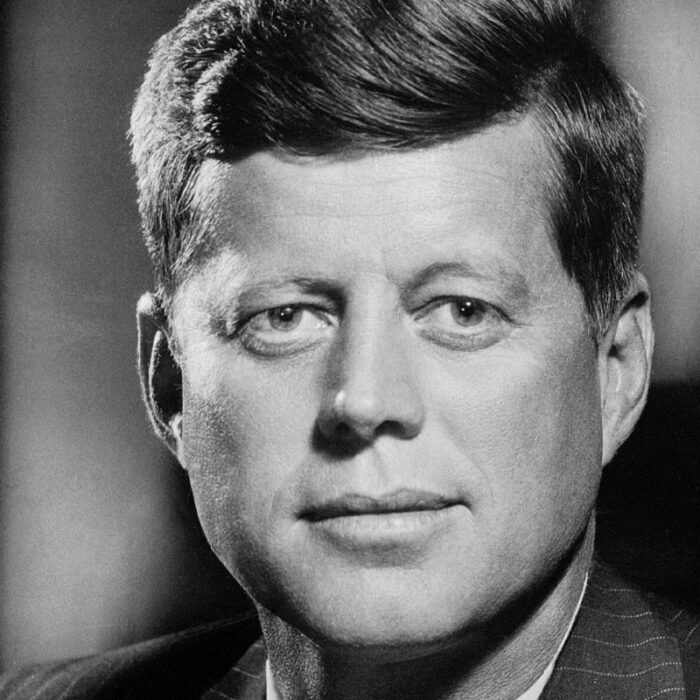
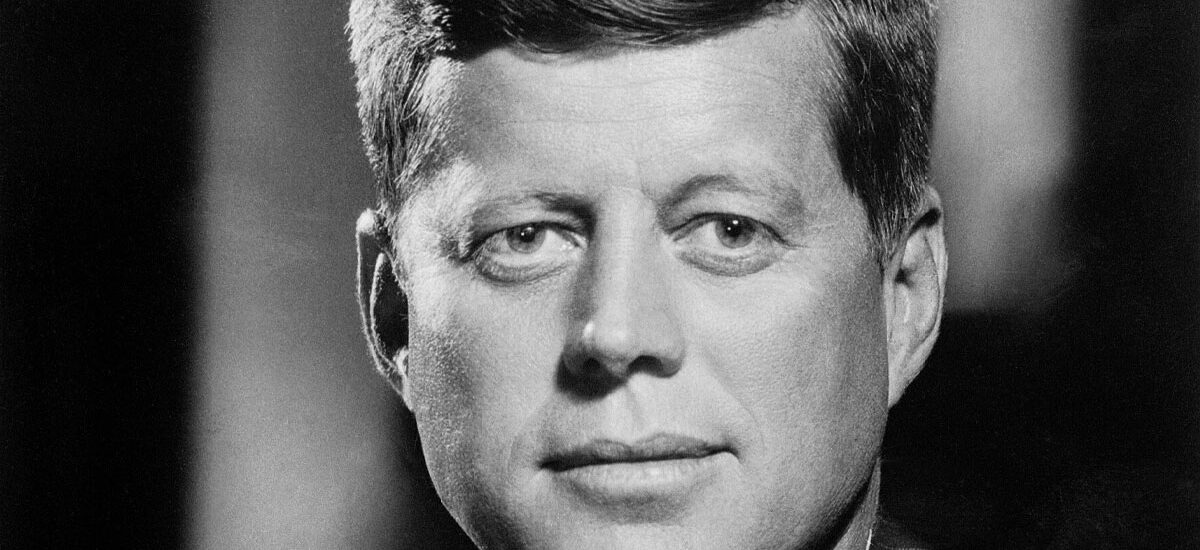
In Boston, Democratic political machines relied heavily on Irish neighborhoods. The Fitzgerald and Kennedy families, from the diaspora, illustrate this rise. The election of John F. Kennedy in 1960, the first Catholic president of Irish descent, was a crowning achievement for the community.
Other figures, such as Tip O’Neill, longtime Speaker of the House of Representatives, and Edward Kennedy, influential senator, extended this political dominance. Even today, Irish Americans hold important positions in governments and Congress.
The Kennedys: Symbol of an Irish Dream Realized
A Family at the Heart of American Politics
It is impossible to discuss influential Irish Americans without mentioning the Kennedy dynasty. Originating from County Wexford, the Kennedys settled in Boston after the famine. In a few generations, they went from dockworkers to billionaires and then to major political figures.
John F. Kennedy remains the most emblematic, but his brother Robert Kennedy, Attorney General and presidential candidate, as well as Edward “Ted” Kennedy, senator for nearly half a century, embody this political longevity. The Kennedy family remains a symbol of success for the Irish diaspora and a model of integration that has become legendary.
Irish Americans in Arts and Culture
Hollywood, Music, and Literature
American culture has been deeply marked by artists of Irish origin. In Hollywood, figures like Grace Kelly, who became Princess of Monaco but was first an icon of American cinema, and Spencer Tracy, a great actor from the 1930s to the 1960s, shone with their talent.
In music, Irish influences are found in Bing Crosby, beloved singer and actor, and more recently in popular genres like country and folk, direct heirs of traditional Irish music.
American literature has also welcomed powerful voices from this community, such as F. Scott Fitzgerald, author of The Great Gatsby, whose Irish origins influenced his view on social ascent and its ambiguities.
Irish Americans in Sports
From Boxers to Baseball Legends
Sport was another field of integration for the Irish. Around the turn of the 20th century, boxing became a way to shine and assert oneself for young people from working-class neighborhoods. Champions like John L. Sullivan, nicknamed the “Boston Strong Boy,” were idols of the community.
In baseball, the American national sport, Irish-American figures such as Connie Mack, legendary manager, and Ed Walsh, exceptional pitcher, made history. Sport was both a vehicle for social ascent and a symbol of identity pride.
Entrepreneurs and Businessmen
From Poverty to Prosperity
While the Irish were initially associated with the toughest jobs, some succeeded in building real economic empires. Joseph P. Kennedy, father of the future president, made a fortune in banking, real estate, and the film industry before becoming the United States ambassador to London.
Other Irish-American entrepreneurs contributed to the development of railroads, the press, and commerce, helping the country’s economic growth. Their success showed that the diaspora was no longer confined to the margins but fully integrated into the American elite.
The Irish and the American Catholic Church
Religious and Social Influence
The Irish community played a decisive role in the rise of the Catholic Church in the United States. Long discriminated against for their religion, the Irish made the Church a pillar of their identity and solidarity.
Archbishops like John Hughes in New York promoted the construction of churches, schools, and hospitals, strengthening the Catholic presence in America. The Irish influence in the episcopate was such that in the 20th century, a large majority of American Catholic bishops had Irish roots.
Legacy and Contemporary Influence
A Community Still Visible
Today, it is estimated that about 30 to 35 million Americans claim Irish origins. Saint Patrick’s Day, celebrated with great enthusiasm across the country, is living proof.
The legacy of Irish Americans is found everywhere: in politics, where figures like Joe Biden, elected president in 2020, proudly claim their Irish roots; in popular culture, with artists and writers who continue to celebrate this dual identity; and in heritage tourism, which each year brings thousands of Americans to visit the Ireland of their ancestors.
A Lasting Bridge Between Ireland and America
Pride and Memory of a Diaspora
Irish Americans are not just an integrated community: they have become a cultural and political bridge between the two nations. Their success testifies to the resilience of a people long marginalized, capable of turning exile into achievement.
From the ghettos of Boston to the highest state offices, from the docks to Hollywood sets, from boxing rings to prestigious universities, Irish Americans have helped write some of the most remarkable chapters of American history.

 +
+