Brendan and the Secret of Kells


 3.45/5 (11 votes)

 3.45/5 (11 votes)
 4.00/5 (1 votes)
 4.00/5 (1 votes)
While Ireland is globally renowned for its music, literature, and landscapes, it has also carved out a unique place in the world of animated cinema. Inspired by Celtic legends, folklore, as well as the island’s social and cultural upheavals, several Irish studios and filmmakers have created works that have become essential. Through enchanting stories, original graphics, and a deep connection to cultural heritage, these animated films help to shine a spotlight on Ireland worldwide.
Irish animation was long a niche, but everything changed with the creation of Cartoon Saloon, a studio founded in 1999 in Kilkenny. This collective of enthusiasts gave birth to films of unique poetry, capable of competing with the greatest international studios.
Thanks to them, Ireland now has a true visual and narrative identity in animation: a style inspired by medieval art, Celtic illuminations, and vivid colors, combined with stories deeply rooted in local culture.
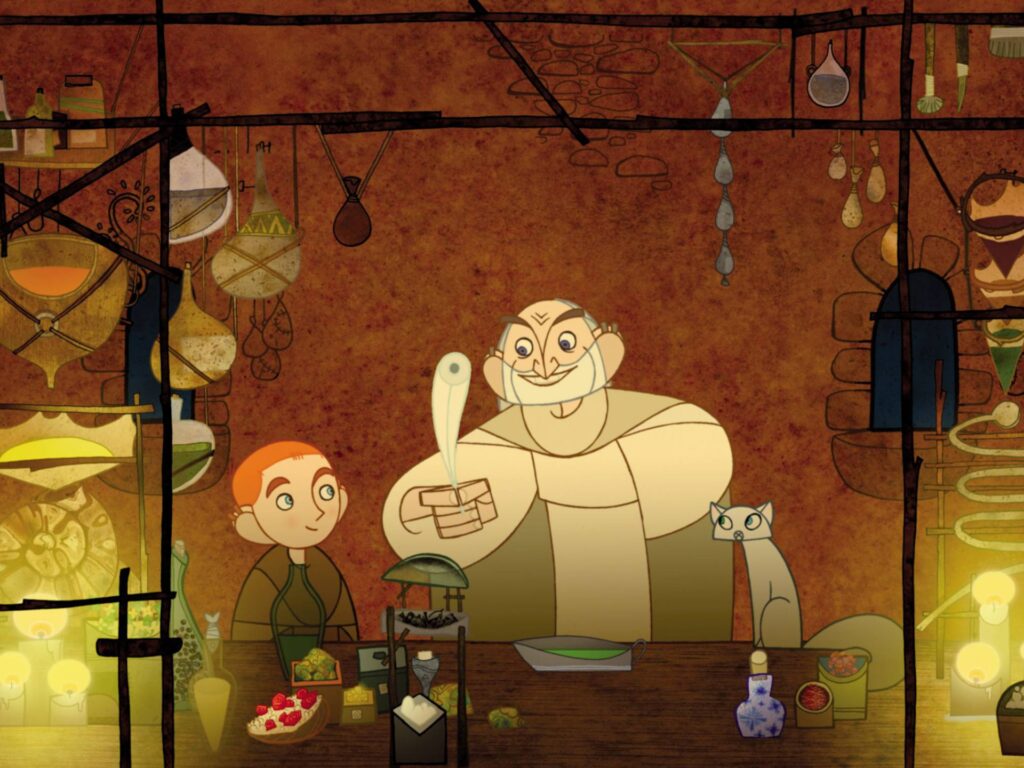
The first major success of Cartoon Saloon, Brendan and the Secret of Kells, dives into medieval Ireland. The film tells the story of a young monk, Brendan, tasked with completing the famous Book of Kells, an illuminated manuscript now kept at Trinity College Dublin.
With its graphics inspired by Celtic art and poetic narration, the film won international critical acclaim. Nominated for the Oscars, it revealed Ireland as a land of animation and helped revive interest in Irish medieval heritage.
The second feature film from Cartoon Saloon, Song of the Sea, draws inspiration from the myth of the selkies, marine creatures capable of transforming into humans. It tells the story of Ben and his little sister Saoirse, the last selkie child, who must save the world from spirits.
This film is an ode to family, memory, and nature. Ireland’s marine landscapes, oral traditions, and Celtic myths are elevated by delicate and moving animation. Again, the film was Oscar-nominated and captivated an international audience.
Although set in Afghanistan, The Breadwinner remains an important work from the Irish studio. Adapted from a novel by Deborah Ellis, it tells the story of a young girl forced to disguise herself as a boy to support her family under the Taliban regime.
Produced by Cartoon Saloon and directed by Nora Twomey, this film shows that Irish animation can also embrace universal stories while maintaining a visual approach marked by poetry and empathy.
Wolfwalkers, directed by Tomm Moore and Ross Stewart, is arguably one of the greatest recent successes. The film is set in the 17th century, during English domination of Ireland. It features Robyn, an English apprentice hunter, and Mebh, a mysterious girl from the wolf people.
This story, which addresses both Celtic folklore and ecological themes, is carried by flamboyant graphics reminiscent of medieval illuminations. Praised by critics, it won numerous awards and confirmed Ireland’s place in global animated cinema.
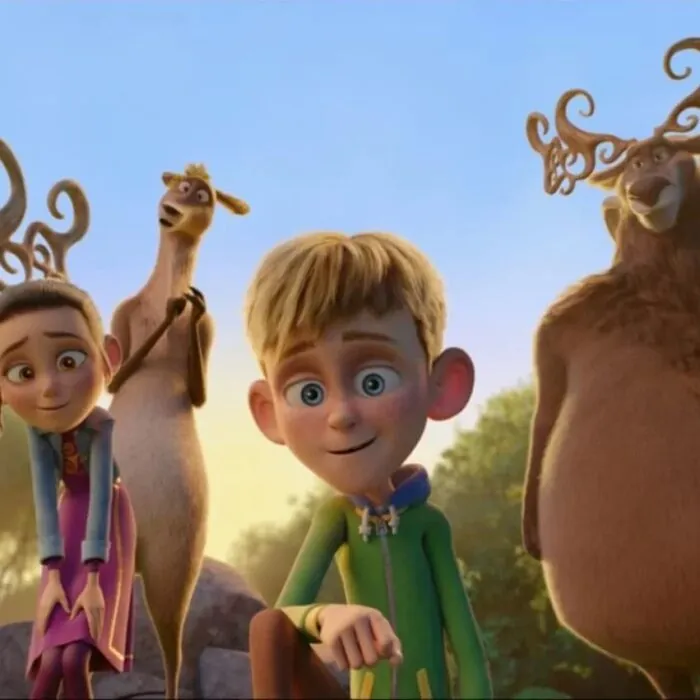
The latest production from Cartoon Saloon in collaboration with Netflix, My Father’s Dragon, is inspired by a classic of American children’s literature. Although the story is not specifically Irish, the studio’s imprint is recognizable in the graphics and the sensitivity of the narrative.
This film proves that Ireland does not limit itself to its own myths but can also adapt universal stories while injecting its unique artistic touch.
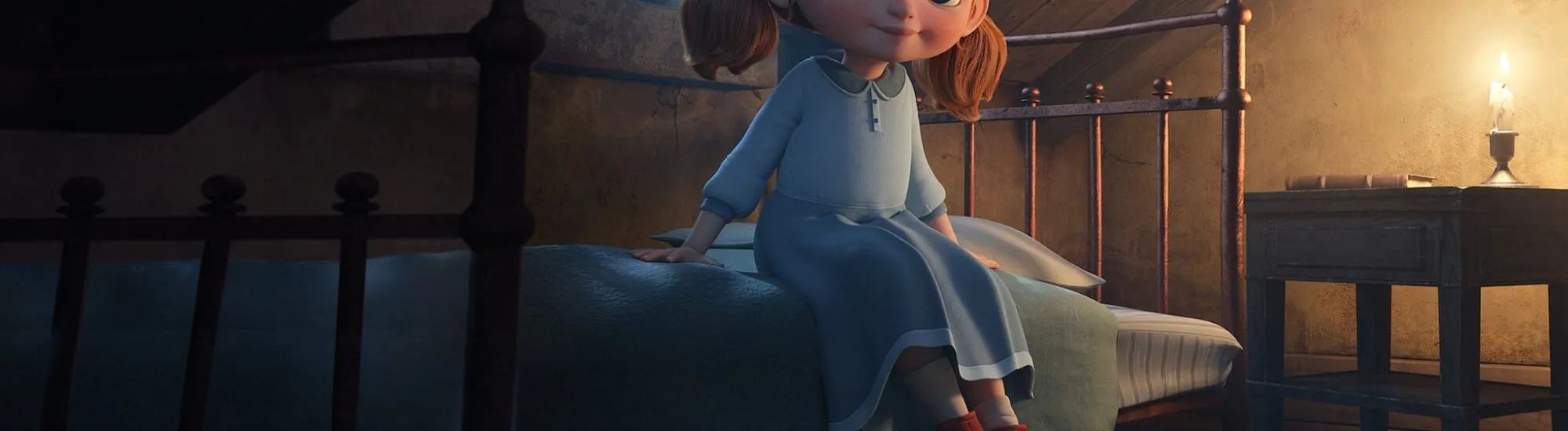
Beyond feature films, Ireland also produces numerous animated shorts and children’s TV series. Creations like Puffin Rock (narrated by Chris O’Dowd) or Dorg Van Dango demonstrate that Irish animation can captivate a young international audience.
These productions, often broadcast on global platforms, help spread Irish imagination, even in lighter and more accessible forms.
What makes Irish animation unique is its balance between tradition and modernity. The stories draw on Celtic myths, legends, and Irish heritage, but also address universal themes such as family, identity, ecology, and resilience.
Graphically, the films stand out with a handcrafted style, close to illustration, which contrasts with digital blockbusters. This uniqueness has allowed them to find a loyal audience and gain international recognition.
Bolstered by its successes, the animation sector in Ireland is expanding rapidly. Cartoon Saloon continues to prepare new projects, while other studios are emerging and exporting. Ireland is now considered a major creative hub, capable of competing with Japan, France, or the United States in auteur animation.
For the Emerald Isle, animation is now a cultural identity vector as powerful as literature or music.