 +
+
Irish artists : the must-haves
+
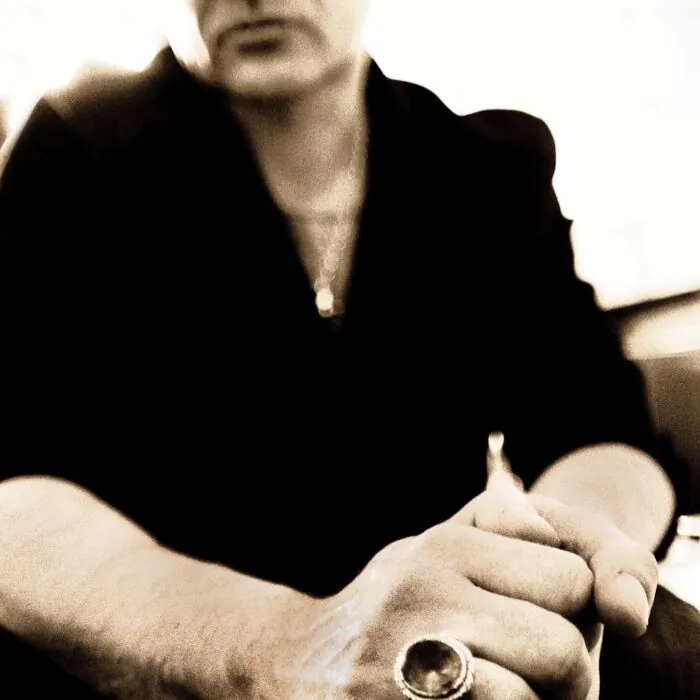
Gavin Friday
Gavin Friday is an extraordinary artist and musician. From his early days with Virgin Prunes to his eclectic solo career, he's a household name in Ireland!
Irish artists
While Ireland is universally known for its music, literature, and landscapes, it has also given rise to great artists in the field of visual arts. Painters, sculptors, illustrators, and modern creators have contributed to shaping an Irish visual identity that blends Celtic heritage, European influences, and unique expression. From medieval manuscripts to contemporary canvases, the great Irish artists have left their mark on art history and continue to inspire generations.
Illuminated Manuscripts
Medieval Art as a Foundation
Long before the emergence of great modern painters, medieval Ireland was already distinguished in visual art through illuminated manuscripts. The most famous, the Book of Kells (8th–9th century), created by monks, embodies the refinement of ancient Irish art.
The illuminations, with their Celtic interlacing and zoomorphic motifs, had a lasting influence on Irish aesthetics. These anonymous creations are an integral part of the national artistic heritage and laid the foundations for a globally recognized visual tradition.
James Barry (1741–1806)
The Romantic Pioneer
Born in Cork, James Barry is considered one of the first great modern Irish painters. Trained in the classical school, he traveled across Europe before settling in London.
His work, marked by romanticism and mythological inspiration, includes a monumental series exhibited at the Royal Society of Arts. Barry was among the first Irish artists to establish himself on the British art scene, paving the way for others.
Daniel Maclise (1806–1870)
The Painter of History
Originally from Cork, Daniel Maclise made his career in London where he became famous for his large historical and literary frescoes. He notably illustrated Shakespeare’s works and depicted emblematic scenes from British and Irish history.
His academic, rich, and detailed style made him one of the most respected artists of his time. His influence helped recognize Ireland as a land of talented painters.
William Orpen (1878–1931)
The Master of Portraiture
Sir William Orpen, born in Dublin, was one of the most prominent portraitists of the early 20th century. Trained at the Metropolitan School of Art, he worked in London where he painted portraits of political and artistic figures.
During World War I, he became an official war artist and produced poignant works depicting the war and its victims. Orpen combined technical virtuosity with psychological sensitivity, making him a central figure in Irish and British art.
Jack B. Yeats (1871–1957)
The Poet of the Canvas
Brother of poet W. B. Yeats, Jack B. Yeats is regarded as one of the greatest Irish painters of the 20th century. Initially an illustrator, he turned to painting and developed a vibrant expressionist style.
His canvases depict scenes of Irish life, landscapes, and popular characters with unique emotional intensity. Winner of the painting prize at the Venice Biennale in 1932, Jack B. Yeats remains an iconic figure of modern Irish art.
Paul Henry (1876–1958)
The Painter of Western Landscapes
From Belfast, Paul Henry is best known for his landscapes of western Ireland, particularly Connemara and Achill Island. His paintings, with soft colors and simplified forms, embody the romantic and timeless image of rural Ireland.
Very popular in the 20th century, his works were widely reproduced on postcards and tourist posters, helping shape the visual imagination of Ireland.
Mainie Jellett (1897–1944)
Pioneer of Abstract Art in Ireland
Mainie Jellett, born in Dublin, was a major figure in Irish modernism. After studying in Paris with Cubist painters like Albert Gleizes, she introduced abstract art to Ireland in the 1920s.
Although her work initially met with misunderstanding and rejection, she is now recognized as a pioneer who paved the way for modern art in her country.
Louis le Brocquy (1916–2012)
The Visionary of the 20th Century
Considered one of the greatest contemporary Irish artists, Louis le Brocquy is famous for his psychological portraits of iconic figures such as W. B. Yeats, James Joyce, and Francis Bacon.
His style, blending figuration and abstraction, seeks to reveal the “essence” of his subjects. Winner of numerous awards, his works are held in major museum collections including the Tate in London and MoMA in New York.
Francis Bacon (1909–1992)
The Irishman with an International Destiny
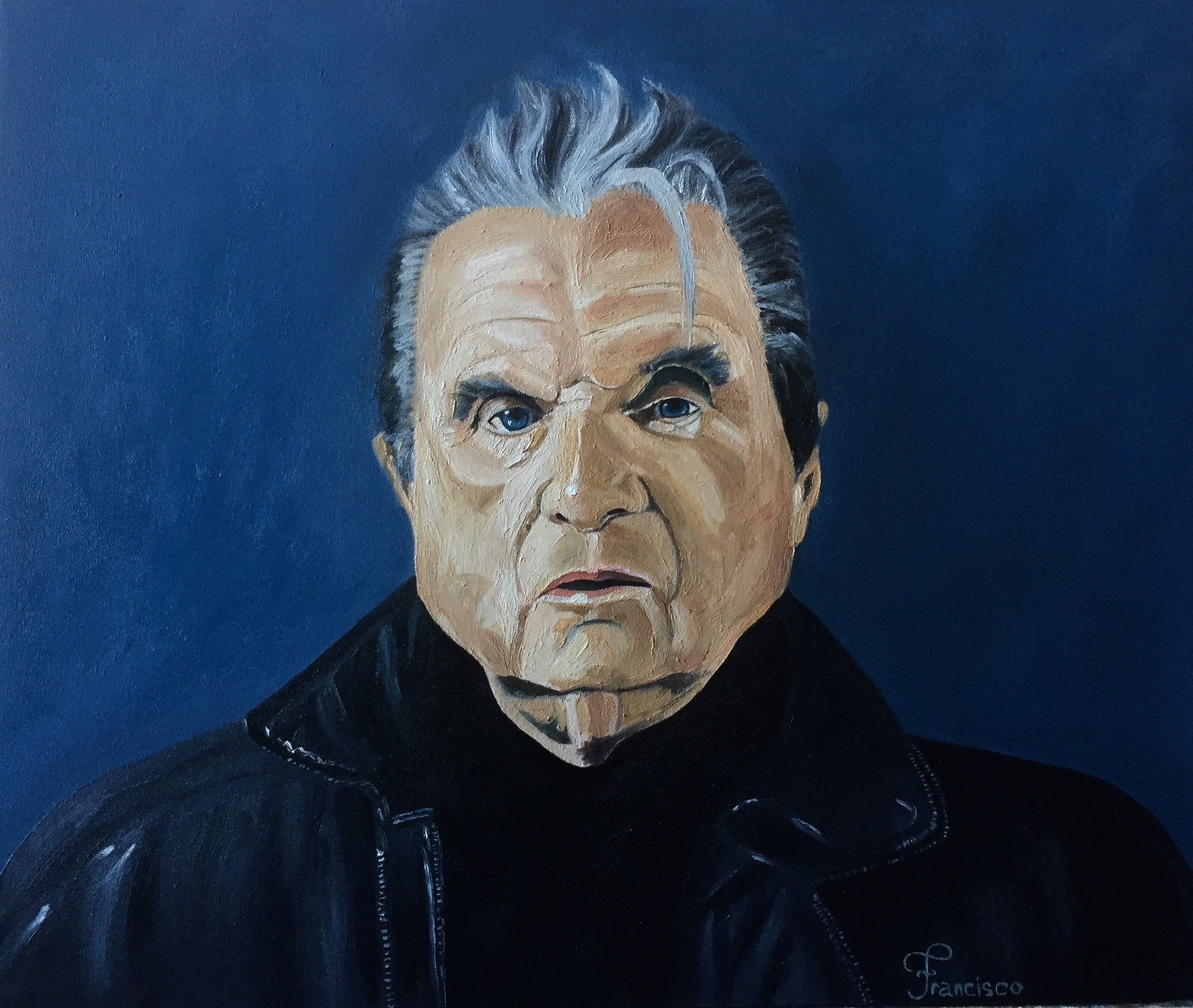
Although often perceived as a British artist, Francis Bacon was born in Dublin. His expressionist, violent, and tormented paintings are among the most striking works of the 20th century.
Bacon is today considered one of the most influential painters of his era. His ties to Dublin and his Irish childhood are integral to his artistic identity.
Dorothy Cross (born 1956)
The Contemporary Sculptor
A contemporary artist born in Cork, Dorothy Cross primarily works in sculpture, video, and photography. Her works explore the body, nature, memory, and history.
Internationally recognized, she embodies the vitality of the contemporary Irish art scene, at the crossroads of experimentation and cultural heritage.
Sean Scully (born 1945)
Monumental Abstraction
Born in Dublin, Sean Scully is one of the most respected abstract painters in the world. His monumental canvases, composed of colored bands and blocks, explore light, matter, and space.
Based between Ireland, Spain, and the United States, Scully embodies the universality of contemporary Irish art, both rooted and cosmopolitan.
Find your accommodation in Ireland!