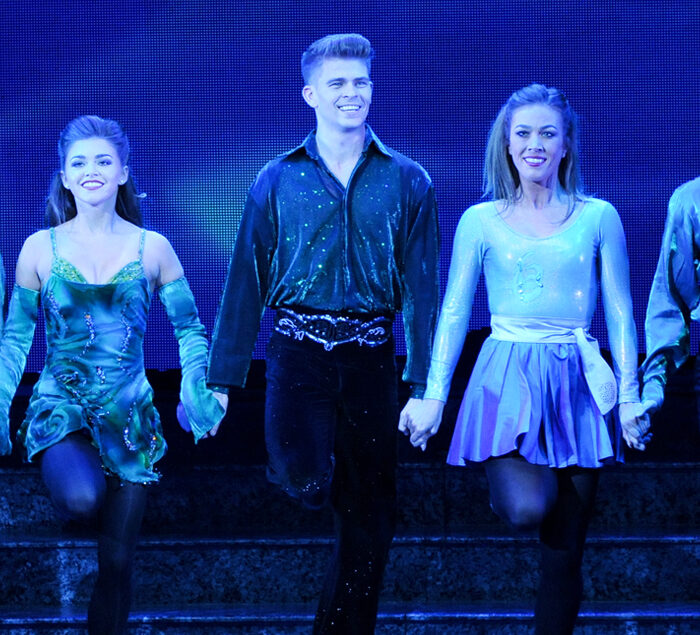
For several decades, Ireland has continuously illuminated international stages with its musical shows, combining dance, singing, traditional instruments, and modernity. From the legendary Riverdance to spectacular concerts by groups like Celtic Woman, the Emerald Isle has transformed its heritage into a true global phenomenon. These productions, often rooted in Celtic tradition, captivate with their energy, emotion, and universality.
The emergence of major Irish shows
From pubs to grand stages
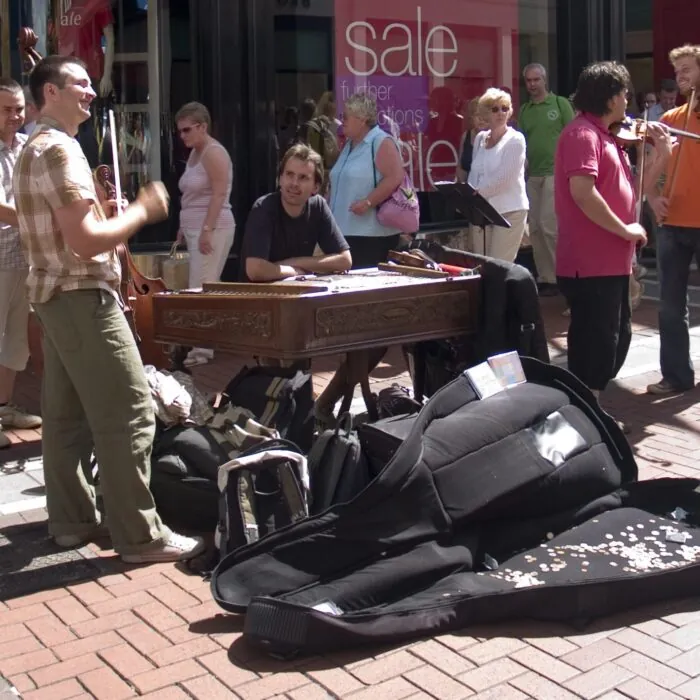
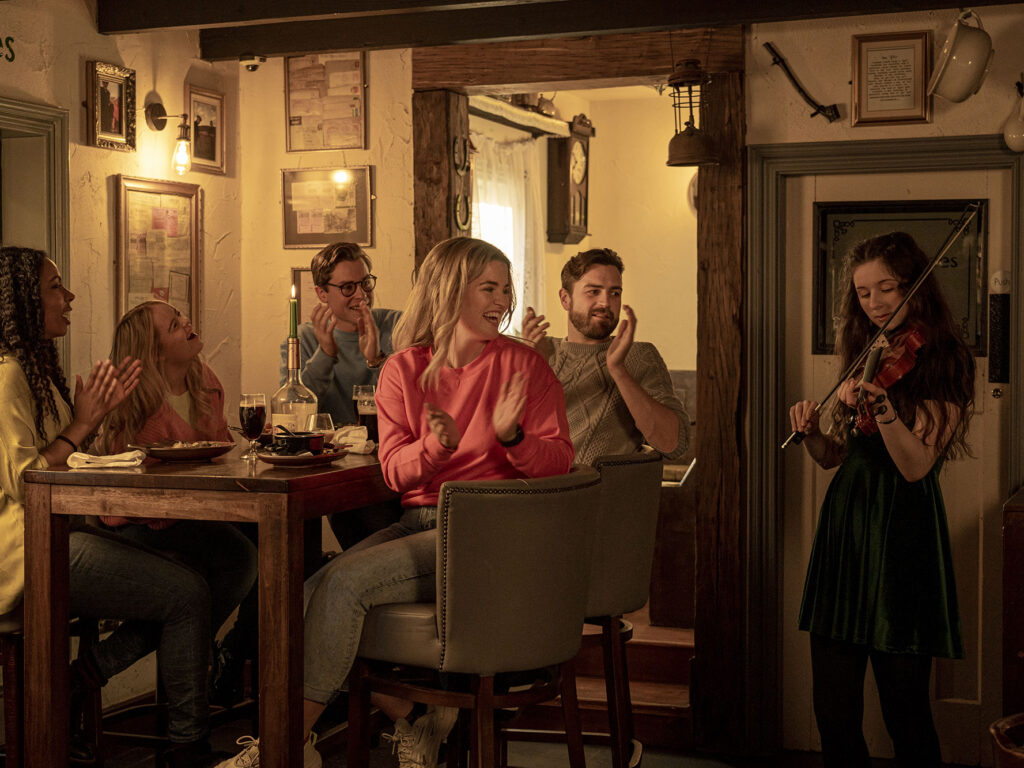
Irish music has always been at the heart of the country’s culture. Passed down orally in pubs and during popular festivals, it eventually found its way into ambitious productions. Since the 1990s, Irish musical shows have experienced unprecedented internationalization, reinventing tradition to suit large stages and television.
It was in this context that Riverdance was born, a show that would forever change the global perception of Irish dance and music.
Riverdance
The global phenomenon
Created for the 1994 Eurovision as a simple interval act, Riverdance immediately achieved spectacular success. The blend of traditional Irish dance, reimagined with modern staging, and mesmerizing music composed by Bill Whelan, captivated audiences.
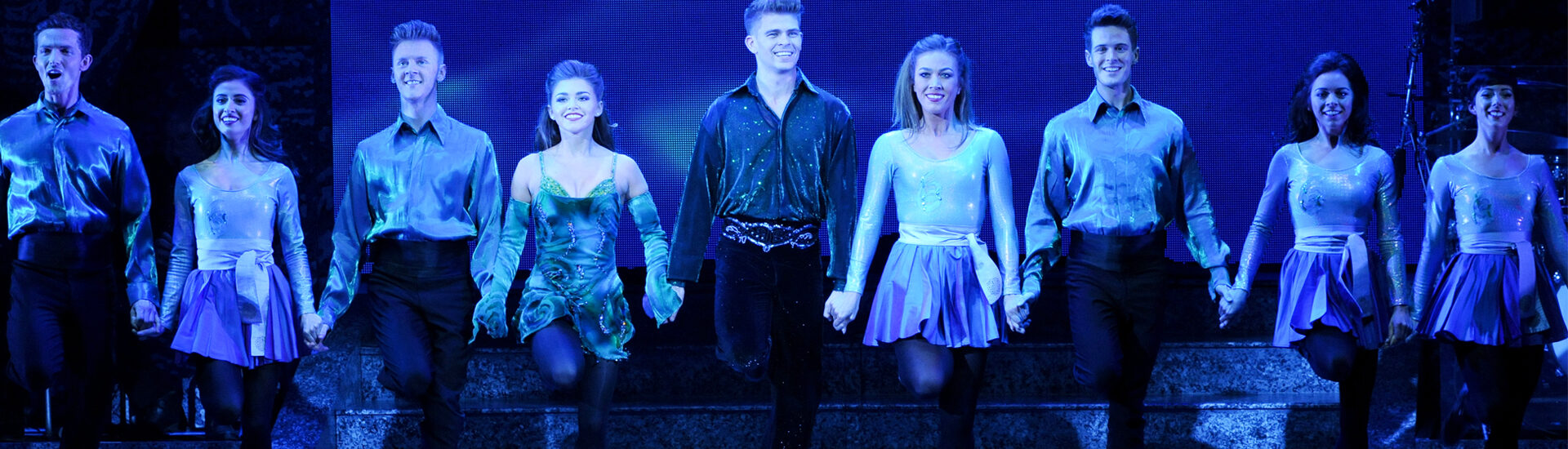
The show quickly became a worldwide tour. Since then, Riverdance has been performed in over 450 cities and seen by more than 25 million spectators. It remains the most iconic Irish show, symbolizing a modern Ireland proud of its roots.
Lord of the Dance
Michael Flatley, the flamboyant dancer
After contributing to the success of Riverdance, dancer and choreographer Michael Flatley created his own show: Lord of the Dance (1996). More theatrical and narrative, this production highlights a mythical rivalry between Good and Evil, driven by explosive dances and spectacular staging.
Flatley, nicknamed the “king of Irish dance,” helped bring this art to an even wider audience. Lord of the Dance has toured worldwide and continues to be reimagined through modern versions like Dangerous Games.
Celtic Tiger
Michael Flatley’s grand ambition
In 2005, Michael Flatley launched Celtic Tiger, an even larger show tracing Ireland’s history from its Celtic roots to its modern rise. Combining music, dance, visual projections, and massive choreography, the show is a historical and artistic fresco.
Although less universally acclaimed than Riverdance, Celtic Tiger remains an important milestone in exporting Irish culture through large-scale productions.
Celtic Woman
The voice of traditions
Founded in 2004 by David Downes, former musical director of Riverdance, the group Celtic Woman brings together female singers and musicians performing Celtic music classics and original compositions.
The show combines enchanting female voices, orchestral arrangements, and magical sets. Quickly, Celtic Woman became an international phenomenon, with albums topping sales charts in several countries and regular world tours.
Their universe blends softness, emotion, and power, offering another facet of Ireland’s musical heritage to the general public.
The Chieftains and stage music
Pioneers of exported Irish music
While choreographed shows like Riverdance popularized dance, the role of groups like The Chieftains should not be forgotten. Founded in 1962, this group helped spread traditional Irish music on the world’s biggest stages.
Their ability to collaborate with international artists (from The Rolling Stones to Luciano Pavarotti) made them ambassadors of Irish culture. Although not strictly a staged musical show, their concerts paved the way for major Irish productions.
Celtic Thunder
Male vocal power
Created in 2007, the troupe Celtic Thunder offers a formula similar to Celtic Woman, but with a team of male singers. Mixing traditional songs, romantic ballads, and modern tunes, they provide a show both accessible and deeply rooted in tradition.
Their theatrical staging, with evocative costumes and sets, has attracted an international audience, especially in North America.
Contemporary dance inspired by tradition
A constant reinvention
Beyond the major flagship productions, many Irish dance and music companies continue to explore tradition today. More contemporary shows incorporate elements of hip-hop, jazz, or contemporary dance, demonstrating that Irish culture is alive and constantly evolving.
This ability to reinvent while respecting roots explains why Irish shows maintain worldwide appeal.
Cultural and tourist impact
When art becomes an ambassador
Irish musical shows are much more than entertainment. They have helped shape a modern and positive image of Ireland, while attracting tourists eager to discover the culture at its source.
In Dublin, Belfast, or Cork, many permanent shows draw inspiration from the legacy of Riverdance. They are part of the cultural offerings available to visitors, reinforcing the role of music and dance in the country’s tourism economy.

 +
+