Ireland, a land of myths and timeless landscapes, also hosts one of Europe’s richest prehistoric heritages. From the arrival of the first hunter-gatherers after the last glaciation to the impressive megalithic monuments of the Boyne Valley, Irish prehistory tells the story of an island long isolated but deeply marked by the creativity and spirituality of its inhabitants. This heritage, embedded in the landscape, still fascinates today and attracts visitors from around the world.
The Arrival of the First Inhabitants
Ireland After the Glaciation
At the end of the last Ice Age, about 10,000 years ago, Ireland was a cold land, populated by forests and wild animals. The first humans arrived around 8000 BC, probably from neighboring Great Britain, following rudimentary maritime routes.
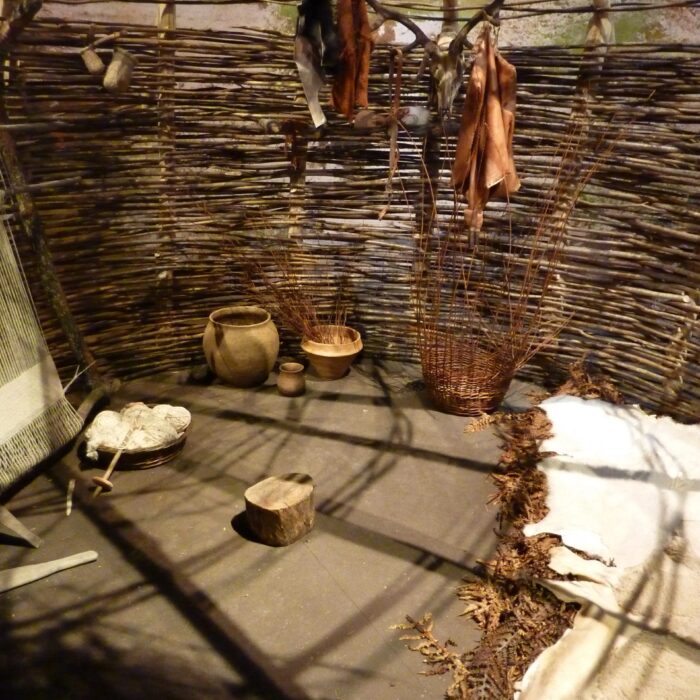
These populations lived by hunting, fishing, and gathering. Excavations at sites like Mount Sandel in County Derry reveal circular huts, hearths, and stone tools, evidence of the lasting settlement of these Mesolithic communities.
The Neolithic: The First Farmers
A Revolution in Lifestyles
Around 4000 BC, Ireland underwent a major transformation with the arrival of agriculture. Communities shifted from a nomadic lifestyle to gradual sedentarization. They cultivated wheat and barley, raised domestic animals such as cattle and sheep, and made pottery.
This agricultural revolution was accompanied by a profound cultural change: Neolithic societies began erecting funerary and ritual monuments, signs of a more complex social organization and marked spirituality.
The Megalithic Tombs
Dolmens, Cairns, and Passage Tombs
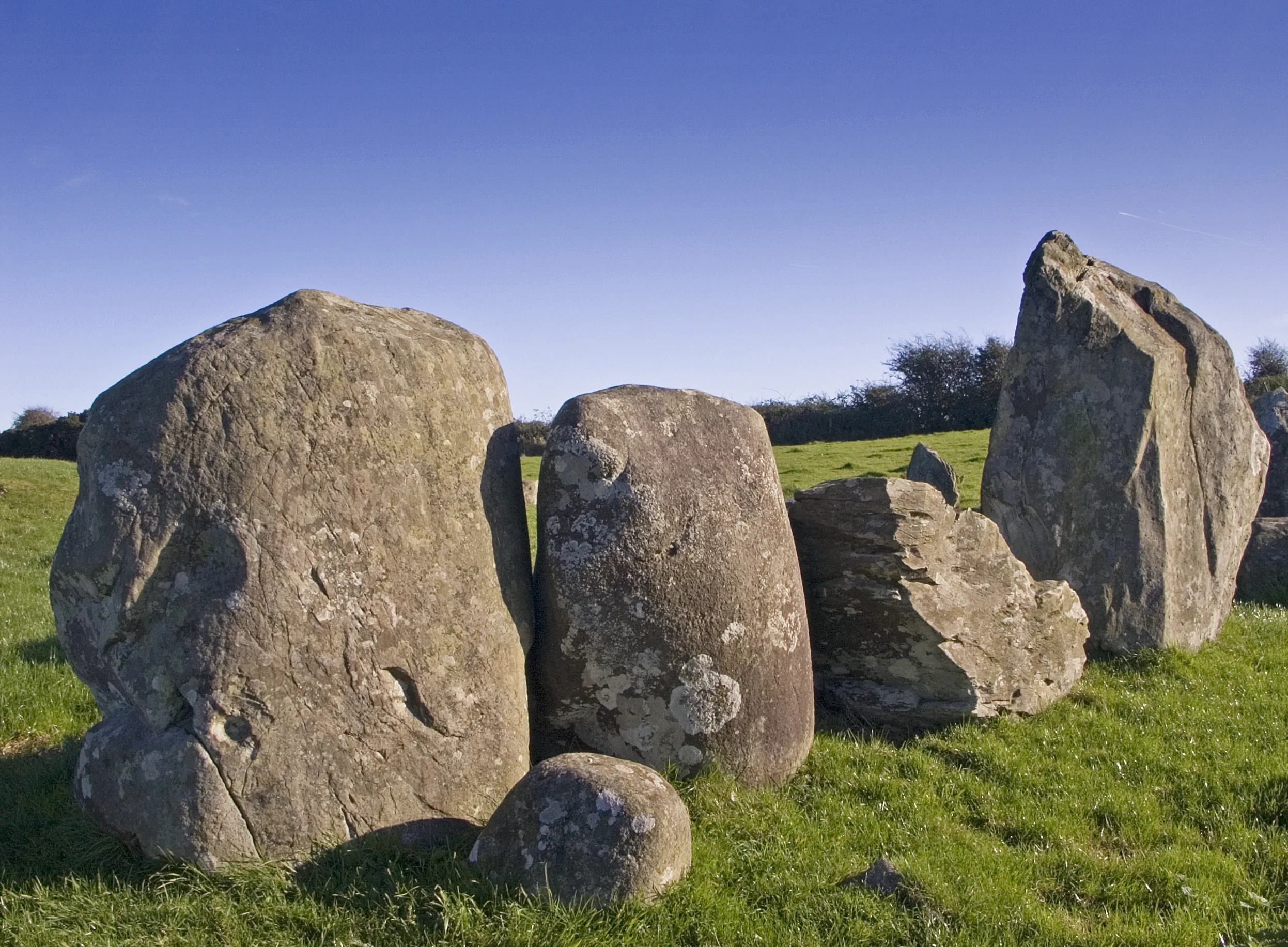
Ireland is particularly famous for its megalithic monuments, among the oldest in Europe. Several types of collective tombs are distinguished:
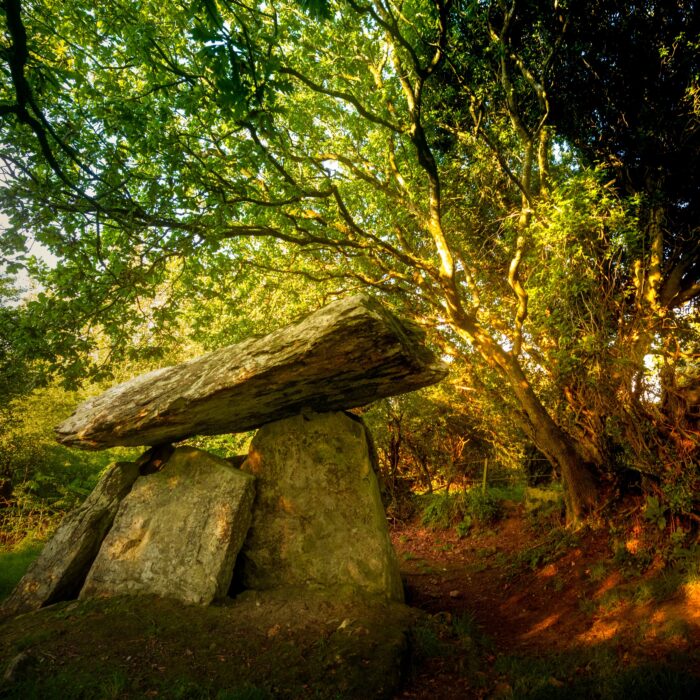
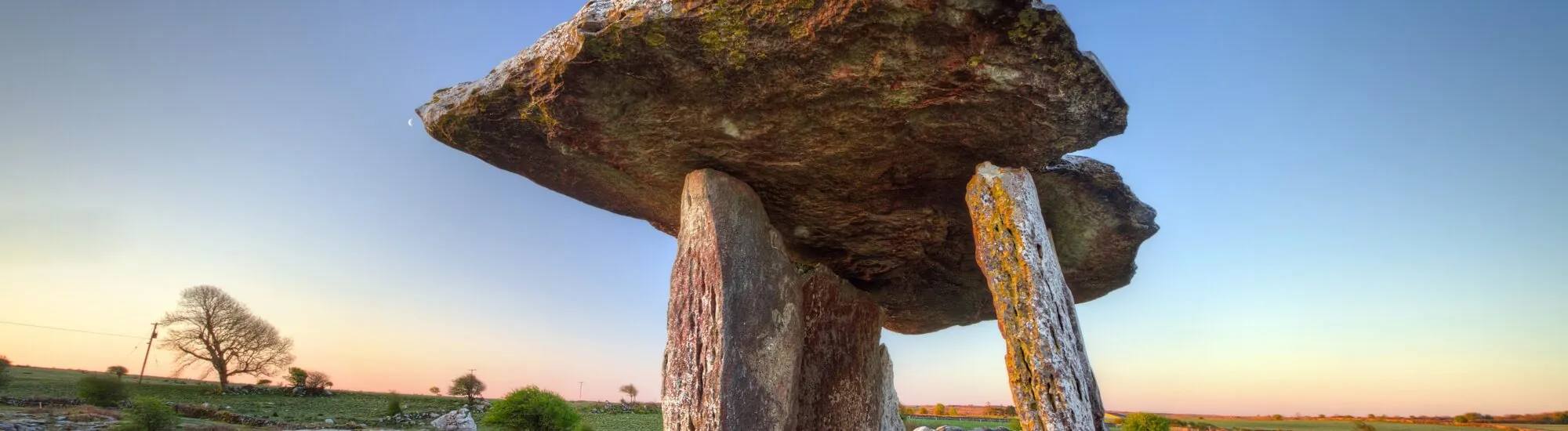
- Dolmens, composed of large upright stones covered by a slab. The Poulnabrone dolmen in the Burren is one of the most emblematic.
- Cairns and passage tombs, such as those in the Boyne Valley (Newgrange, Knowth, Dowth). These monuments, built around 3200 BC, predate the Egyptian pyramids and Stonehenge.
Newgrange, in particular, is famous for its astronomical alignment: at each winter solstice, the sun enters through the entrance and illuminates the burial chamber, proof of the extraordinary skill of the builders.
The Bronze Age
Metallurgy and Trade
Around 2500 BC, Ireland entered the Bronze Age, marked by the use of copper and tin to make tools, weapons, and jewelry. The Mount Gabriel area in County Cork reveals ancient mines indicating significant metallurgical production.
Irish artisans then created refined objects: swords, axes, gold torcs. Treasure deposits found in peat bogs prove the existence of religious rituals and extensive trade networks reaching the European continent.
The Iron Age and the Arrival of the Celts
A New Cultural Era
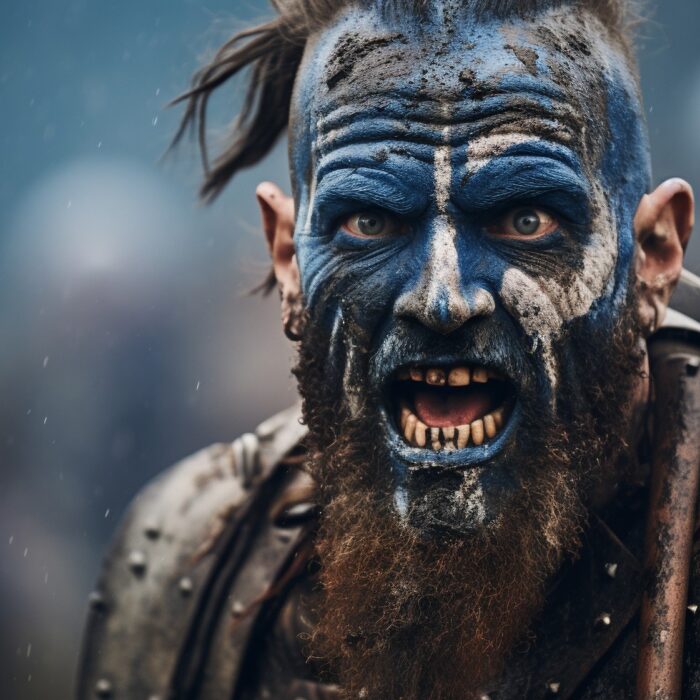
Around 500 BC, Ireland entered the Iron Age, marked by the gradual arrival of Celtic populations. These new influences brought distinctive techniques, beliefs, and artistic styles, such as La Tène art, with its spiral and interlaced motifs.
It is also during this time that the tradition of circular forts (ringforts) and the first hierarchical social structures emerged. Although writing did not yet exist, the myths later transmitted by medieval monks likely have their roots in this period.
Prehistoric Spirituality
Nature and Star Worship
The megalithic monuments, deposits of objects in lakes and peat bogs, as well as the astronomical orientation of tombs, reveal a spirituality deeply connected to nature.
Irish prehistoric societies probably venerated the cycles of the sun and moon, ancestors, and the invisible forces of the earth. Newgrange, with its solstice alignment, illustrates this link between architecture and cosmology.
Visible Remains Today
An Exceptional Heritage
Ireland stands out for the density and diversity of its prehistoric remains. It is estimated that several thousand megalithic sites are still visible. Among the most famous:
- Newgrange (County Meath): UNESCO World Heritage Site.
- Poulnabrone Dolmen (County Clare): emblem of the Burren.
- Loughcrew Cairns: complex of passage tombs.
- Hill of Tara: ceremonial and mythological center.
These sites attract researchers each year, as well as visitors fascinated by the island’s deep history.
Irish Prehistory and National Identity
Heritage and Modernity
Today, Irish prehistory is at the heart of the country’s cultural heritage. It inspires writers, artists, and musicians, and fuels tourism. It also reminds us that Ireland, often perceived through its medieval and modern history, has much older roots connecting it to the great European civilizations.
The fascination with these monuments lies in their mystery: who were their builders? What rituals did they practice? And how, with rudimentary means, did they erect such precise and durable structures?

 +
+