Medieval Ireland is a fascinating period where Christian spirituality, Celtic heritage, and political upheavals linked to external invasions intersect. From the 5th to the 15th century, the island experienced a monastic golden age marked by art and learning, before being transformed by the Vikings and then by the arrival of the Anglo-Normans. The history of medieval Ireland is that of a society in constant change, divided between local traditions and foreign influences.
The Christianization of Ireland
Saint Patrick and the first monasteries
Medieval Ireland truly begins with the arrival of Christianity in the 5th century. Saint Patrick, the legendary evangelist, introduced the Christian faith while drawing on certain local traditions. He founded churches and helped spread the new religion throughout the island.
Quickly, monks played a central role in society. They founded monasteries such as Clonmacnoise, Glendalough, and Kells, which became centers of education, spirituality, and culture. Unlike other European countries, Ireland did not adopt the Roman urban model but developed an original monastic civilization.
The Monastic Golden Age
Scholars and artists of the early Middle Ages
Between the 6th and 9th centuries, Ireland experienced a true cultural golden age. Monk scribes produced illuminated manuscripts of exceptional beauty, such as the Book of Kells and the Book of Durrow, masterpieces combining Christian influences and Celtic motifs.
Monasteries also became centers of intellectual influence. Irish missionaries like Columba (Colum Cille) and Columban traveled to Scotland, France, and Italy to found new communities. Ireland was then nicknamed “the island of saints and scholars.”
The Viking Invasions
From pillaging to integration
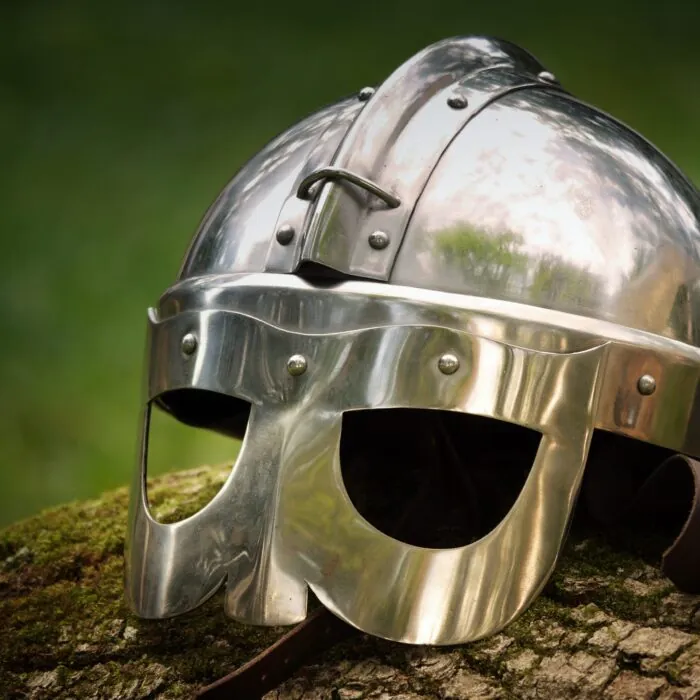
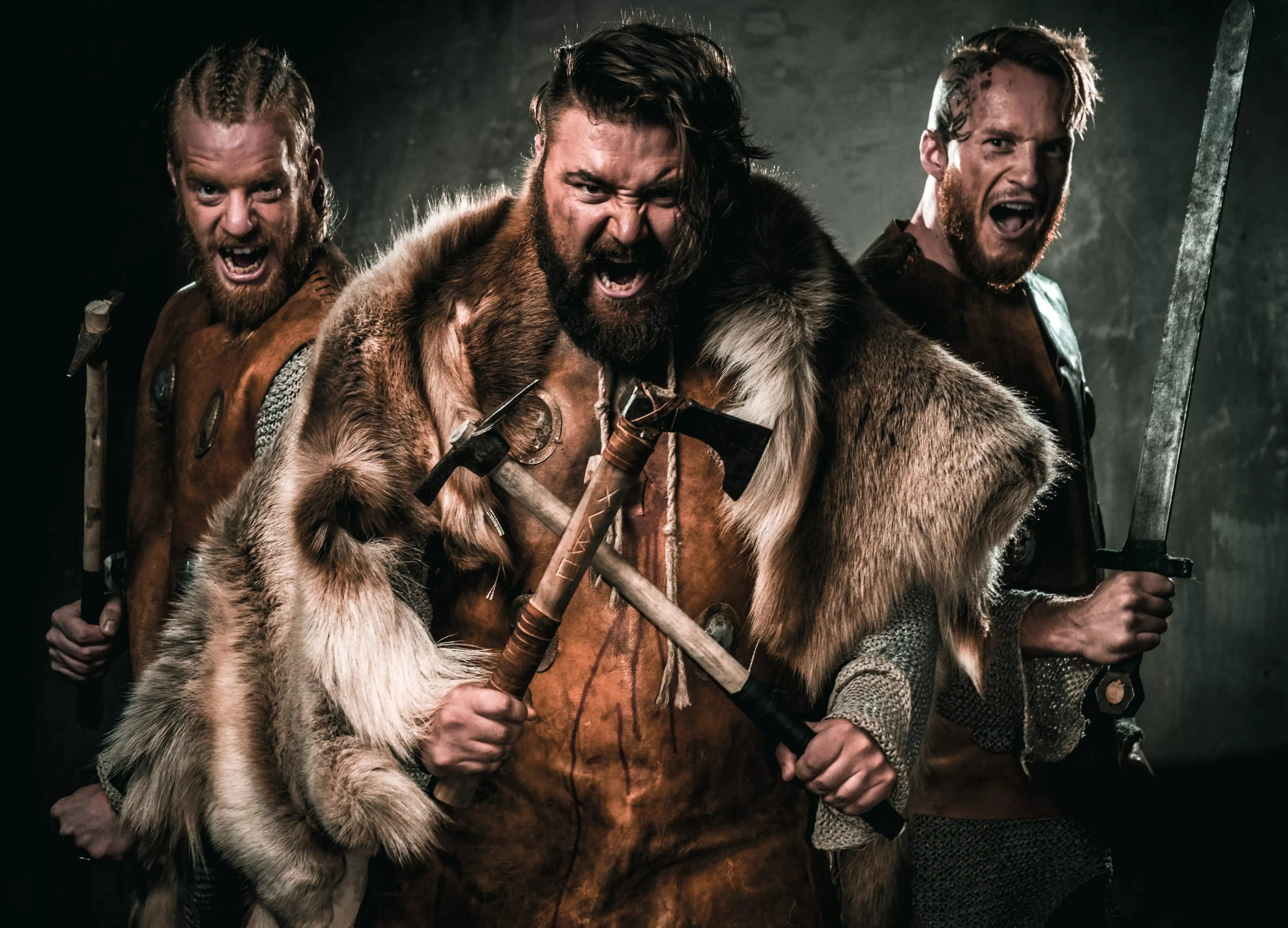
From the late 8th century, Vikings appeared on the Irish coasts. They plundered monasteries rich in precious objects and spread terror in the countryside. The attacks of 795 at Iona and 823 at Bangor marked the start of a century of violence.
Gradually, however, the Vikings shifted from raiders to settlers. They founded towns such as Dublin, Waterford, Wexford, Cork, and Limerick, introducing urban lifestyles and new trade networks. Their gradual integration enriched Irish society by blending Nordic and Celtic influences.
The Irish Kingdoms
A political mosaic
Throughout the Middle Ages, Ireland remained an island divided into numerous local kingdoms (tuatha). These small kingdoms were ruled by kings, themselves subject to provincial kings (Ulster, Leinster, Munster, Connacht).
The idea of a High King of Ireland (Ard Rí), symbolically based at the Hill of Tara, existed but his authority was often more theoretical than real. This political fragmentation made the island vulnerable to external influences and internal rivalries.
The Arrival of the Anglo-Normans
A new domination
In 1169, the Anglo-Normans from Wales invaded Ireland at the request of a local king, Dermot MacMurrough, who sought to reclaim his throne in Leinster. Led by Richard de Clare, known as Strongbow, they quickly established their power.
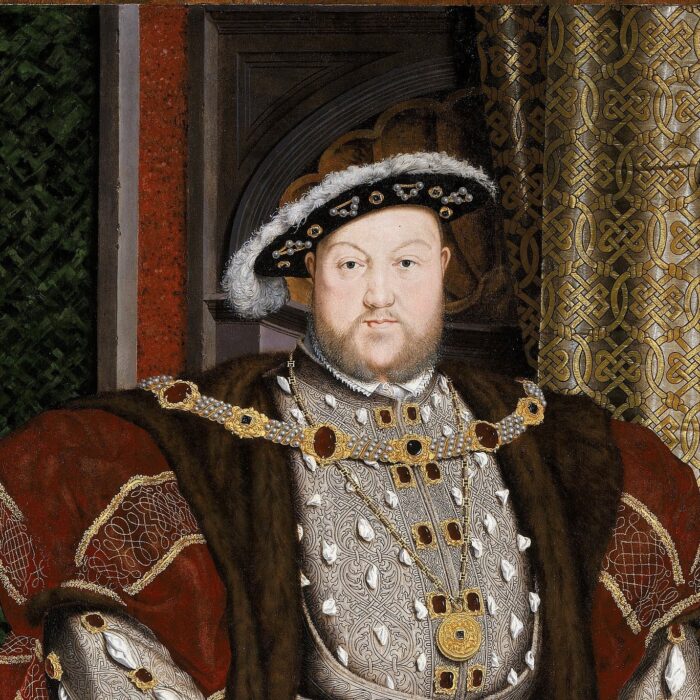
In 1171, King Henry II of England came to Ireland and imposed his authority. The island became a lordship of the King of England, marking the beginning of lasting English influence. The Normans built castles, introduced the feudal system, and profoundly changed the social and political structure.
Daily Life in Medieval Ireland
A rural and hierarchical society
Most medieval Irish lived by farming and livestock. Homes were circular huts made of wood and wattle, often grouped within ringforts (circular forts).
Society was hierarchical: kings and nobles dominated, while farmers, artisans, and bards held intermediate positions. Druids had disappeared with Christianization, replaced by monks and clerics, guardians of knowledge.
Oral culture remained essential, with seanchaí (storytellers) transmitting myths, genealogies, and laws.
Medieval Art and Culture
A unique heritage
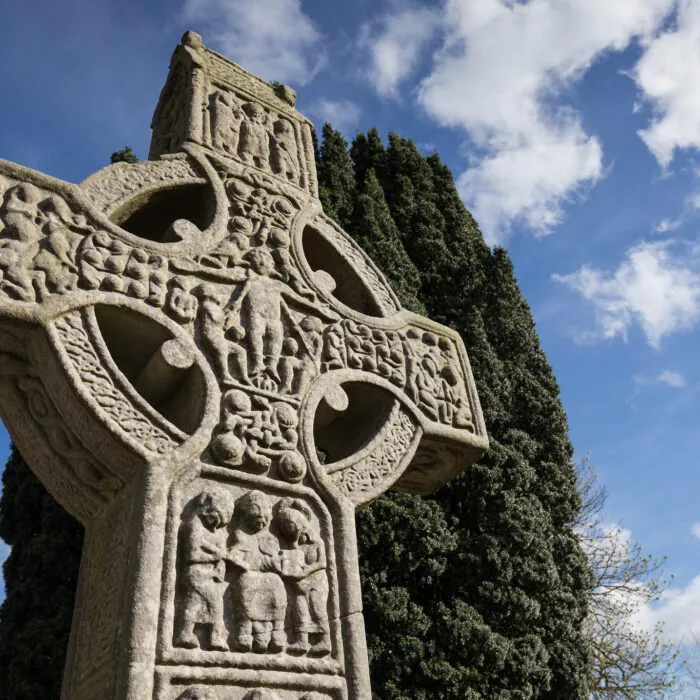
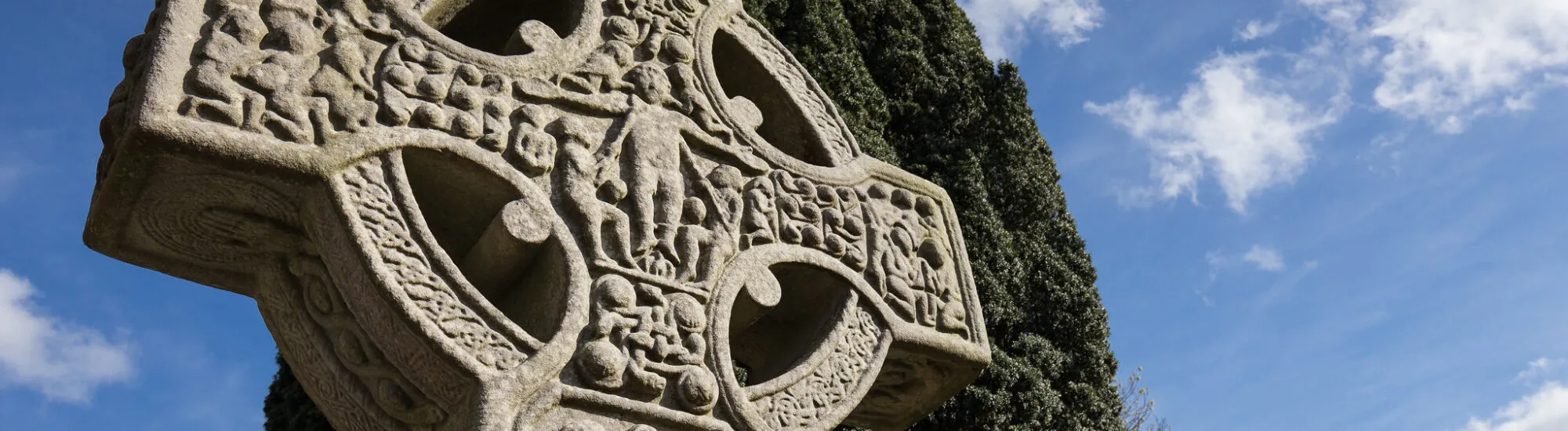
Medieval Irish art is distinguished by its carved Celtic crosses, illuminated manuscripts, and precious metal jewelry. These creations reflect a blend of Celtic traditions and Christianity.
Poetry and epic tales continued to be passed down, sometimes recorded in manuscripts. Texts like the Book of Leinster and the Book of the Brown Cow preserve fragments of mythology and ancient history.
The End of Medieval Ireland
Between autonomy and domination
From the 13th century, Anglo-Norman power consolidated around Dublin and major towns, but many Irish lords retained local influence. The Normans themselves gradually “became Irish,” adopting the language and customs, to the extent that the English crown enacted the Statutes of Kilkenny (1366) to prevent this assimilation.
By the end of the Middle Ages, Ireland remained divided between territories under Anglo-Norman control and areas still dominated by Gaelic clans. This duality laid the groundwork for future tensions between Ireland and England.
Conclusion: A Middle Ages of brilliance and fractures
A legacy still visible
Medieval Ireland is a period of contrasts. On one hand, it offers a monastic golden age that left artistic and intellectual treasures unique in Europe. On the other, it is marked by invasions, internal struggles, and foreign domination that initiated centuries of political tensions.
Even today, the remains of this era—ruined monasteries, Celtic crosses, Norman castles, and illuminated manuscripts—recall the richness of an Irish Middle Ages that was at once spiritual, artistic, and conflictual.

 +
+