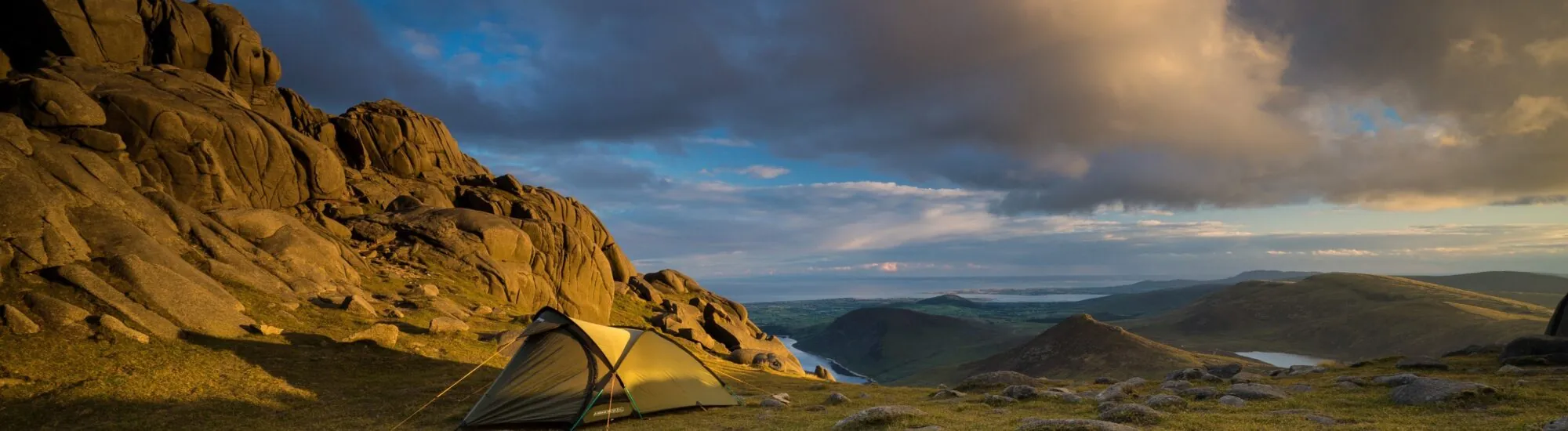
Ireland, with its misty valleys, dramatic cliffs, and endless green landscapes, draws countless nature lovers and freedom seekers every year. Many travelers dream of pitching their tent by a lake or spending the night in their van at the foot of a cliff. But is wild camping legal in Ireland? What rules should you follow? Here’s everything you need to know to camp legally and respectfully on Irish soil.
Contrary to popular belief, wild camping is not strictly forbidden in Ireland, but it’s not fully permitted either. The law is somewhat ambiguous—tolerant, but regulated. The basic rule is simple: wild camping is only allowed if you have the landowner’s permission. In Ireland, most land, even in remote areas, is privately owned, either by individuals, farmers, or the state.
In other words, camping without explicit permission can be considered trespassing on private property. In practice, this means that even if the landscapes look open and wild, you do not have the right to spend the night there without permission. However, many landowners and local authorities are tolerant towards discreet and respectful campers.
You can’t just pitch your tent anywhere for wild camping in Ireland. The country is quite strict, and the police won’t hesitate to issue fines for such offenses. (Not to mention that lighting fires in wild areas is strictly prohibited…)
Of course, some people take the risk and sometimes get away with it. Ireland does have some deserted spots, and the temptation is real. But we strongly advise against it. It could ruin your trip—fines can be hefty.
Additionally, some wild places can be dangerous for camping. Beaches and bogs, for example, can pose serious risks to your safety. The famously unpredictable Irish weather can also make for tough nights if you’re not in an official campsite.
We don’t want to spoil your fun, but it’s better to be cautious.
Especially since Ireland has thousands of campsites, many in stunning settings (by the beach, overlooking the Atlantic, in the mountains, etc.)—and usually at very affordable prices. There are also “refuges” in some mountain tourist areas where you can stay overnight, provided you check in advance (not all are open year-round, and availability depends on the season).
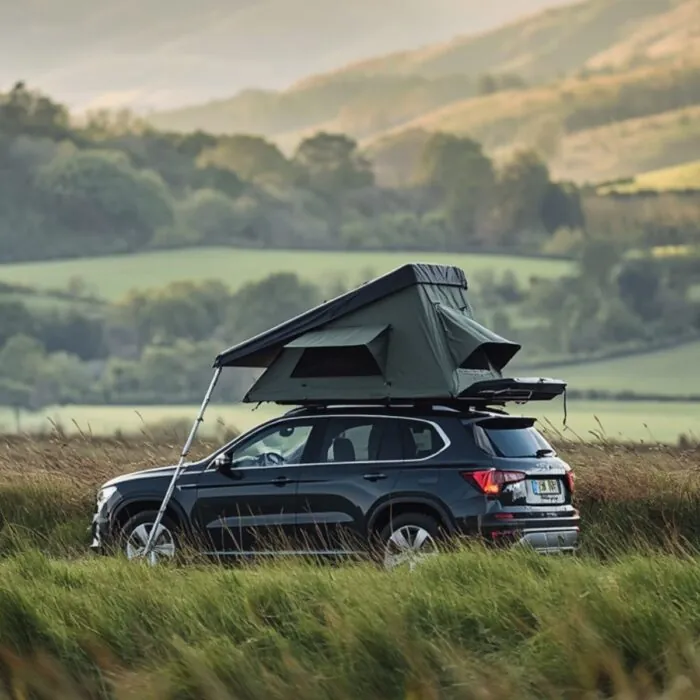
If you want to pitch your tent in the Irish countryside, here are some essential rules to follow:
Ireland is a welcoming land, but it’s also sensitive to erosion, pollution, and overtourism. Responsible behavior is essential.
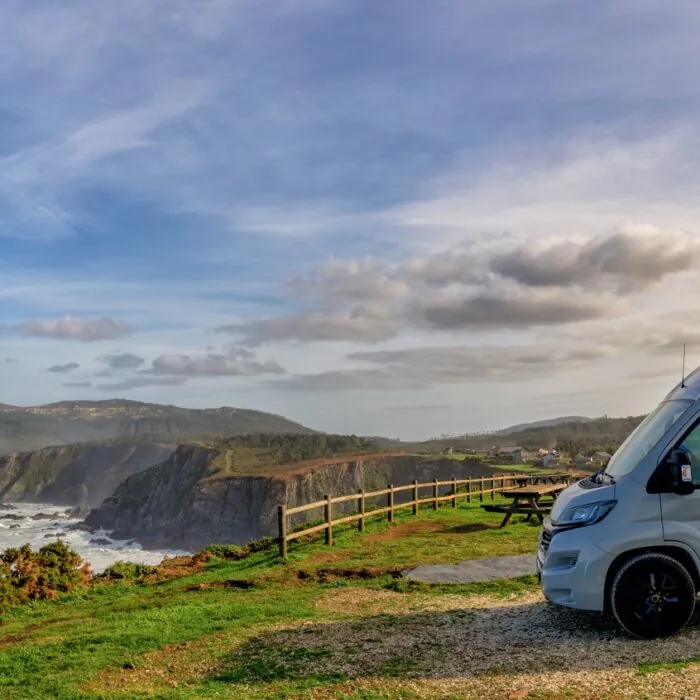
Vanlife lovers are well catered for—Ireland is especially popular for campervan and motorhome trips. Here too, regulations are relatively flexible, but overnight parking is not always allowed outside designated areas.
There are two main scenarios:
It’s best to use service areas or designated public car parks for overnight stays. These are found throughout Ireland, often in convenient locations and sometimes even free of charge. The network of “motorhome parking areas” has grown in recent years to better manage touring tourism.
Ireland has six national parks, including Killarney in County Kerry and Glenveagh in Donegal. Wild camping is forbidden in these protected areas, unless very clearly indicated otherwise.
Signs make it clear that camping or overnight stays are not allowed. Rangers may issue fines or require you to dismantle your camp immediately. The same applies to certain coastal areas, protected cliffs, or sensitive moorlands.
Also worth noting: the Wild Atlantic Way—while incredibly scenic and popular—also has restrictions, especially in peak season.
There is no single law governing wild camping in Ireland. Regulations are mainly based on private property rights, local planning rules, and environmental legislation.
Authorities rely on the following principles:
The law is therefore mainly based on individual responsibility, with tolerance depending on the context, location, and camper’s attitude.
Here’s a summary of the right behaviors for camping respectfully and within the rules:
Some mobile apps like Park4Night, CamperContact, or StayFree can help you find legal or tolerated overnight spots, thanks to community feedback.
Wild camping in Ireland is tolerated, but it’s not a right. By following basic common-sense rules, asking for permission when needed, and being discreet and respectful, you can fully enjoy Ireland’s natural beauty without breaking the law. And while the freedom to pitch your tent or park your van in the wild is part of the adventure, it always comes with responsibilities.