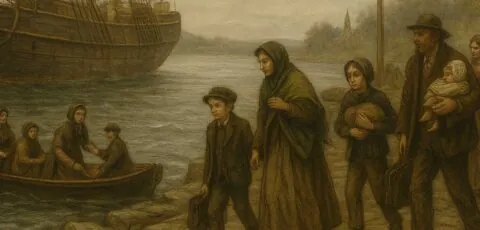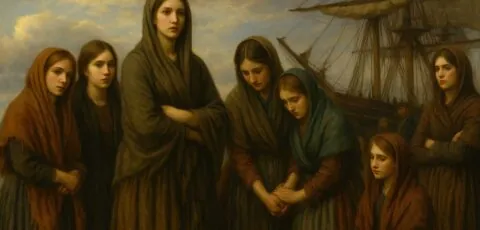


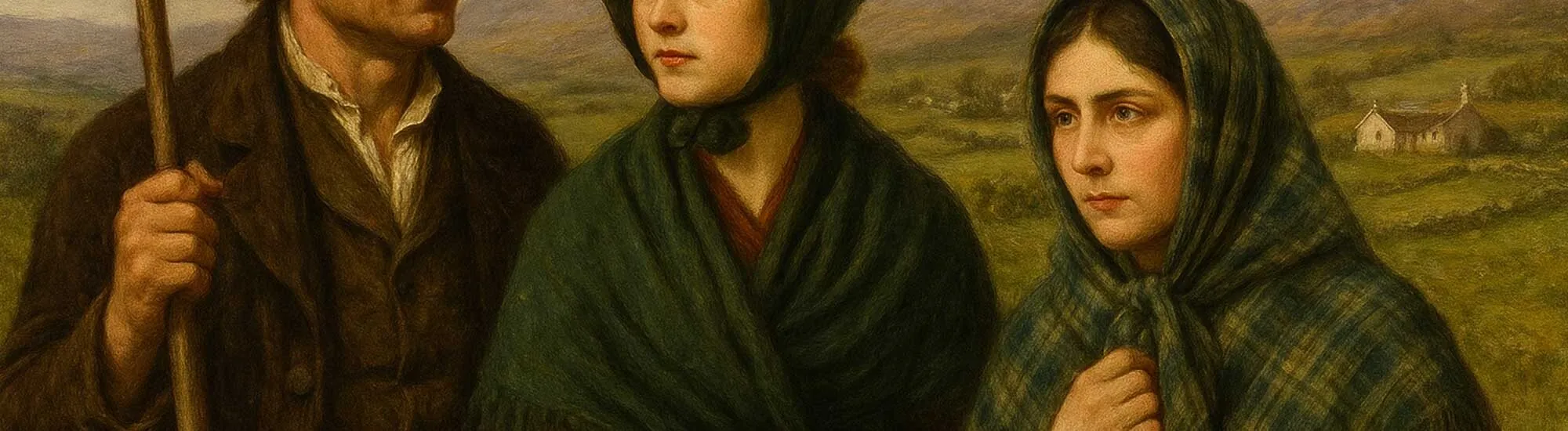
The Scots-Irish, also known as Ulster Scots, were Protestant settlers originally from Scotland who established themselves in Ulster in the 17th century during English colonization, and later migrated in large numbers to North America in the 17th and 18th centuries.
Unlike the later waves of Catholic immigrants, the Scots-Irish were predominantly Presbyterian. Facing religious persecution and economic marginalization in Ireland, they set out for the New World.
In the 18th century, Ulster experienced a series of crises: poor land management, discrimination against Presbyterians by the dominant Anglican Church, heavy taxation, and agricultural failures. For many families, America represented a promise of freedom and prosperity.
This movement gained momentum between 1710 and 1770. It is estimated that around 200,000 Scots-Irish crossed the Atlantic to settle in the British colonies in America.
Upon arrival, the Scots-Irish mainly headed to frontier regions: Pennsylvania, Virginia, and then the Appalachians. They became pioneers, establishing farms and villages in largely undeveloped areas.
Their Presbyterian culture and strong sense of independence shaped the identity of these regions. They were known for their resilience, commitment to religious freedom, and community spirit.
During the Revolutionary War (1775–1783), the Scots-Irish were among the most active supporters of the revolutionary cause. Their tradition of resisting English authority in Ireland predisposed them to side with the insurgents.
Thousands enlisted in militias and the Continental Army, playing a crucial role in the American victory.
The Scots-Irish left a lasting mark on the United States. Many American presidents, including Andrew Jackson, were of Scots-Irish descent. Their influence is also evident in folk music (precursor to country and bluegrass), Appalachian culture, and American Protestant religious traditions.
Today, millions of Americans identify as descendants of the Scots-Irish. Their heritage is an integral part of American identity, often symbolized by the frontier spirit, freedom, and resilience.