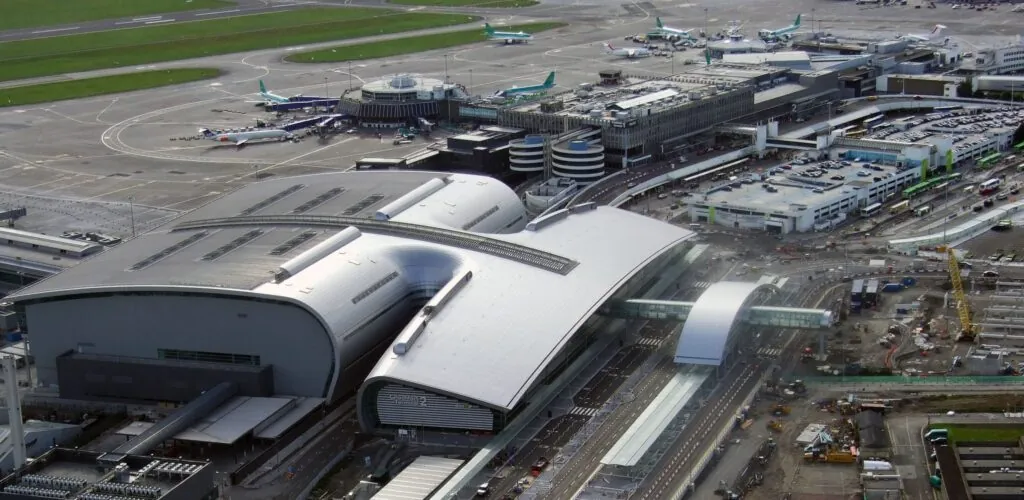
Summer 2026 is breaking records in Ireland. Dublin Airport has just recorded the busiest month in its history, welcoming 3,839,635 passengers in July.
Passenger numbers were up 2.3% on July 2025. Since the start of the year, nearly 22 million travellers have already passed through Ireland’s main airport.
This latest increase confirms the strong momentum behind air travel to Ireland, driven in particular by the summer holidays and the arrival of large numbers of international tourists.
More than 100,000 passengers every day in July
Exceptionally high passenger numbers throughout the month
The record was not the result of just a few particularly busy days. In July, more than 100,000 travellers used Dublin Airport every day.
The airport handled an average of around 123,000 passengers each day during the month.
The busiest day was Sunday 12 July, with 133,472 travellers. It was one of the busiest days in the airport’s history.
Traffic growth has now continued for sixteen consecutive months.
Why is Dublin Airport handling so many travellers?
Holidays and tourism in Ireland are driving strong traffic growth
July naturally falls at the heart of Ireland’s tourist season. The school holidays encourage Irish residents to travel, while large numbers of overseas visitors arrive in the country for their summer break.
The latter stages of the FIFA World Cup also contributed to these passenger numbers, particularly through travellers connecting via Dublin on their way to North America.
Dublin has an extensive network of transatlantic routes, as well as a US preclearance facility that allows passengers travelling to the United States to complete immigration formalities before leaving Ireland.
The start of Ireland’s presidency of the Council of the European Union also generated additional travel by international delegations to Dublin.
Nearly 22 million travellers since January
Passenger numbers continue to rise in 2026
In the first seven months of the year, Dublin Airport welcomed nearly 22 million passengers, around 5.2% more than during the same period in 2025.
On a rolling 12-month basis, passenger numbers have now reached approximately 37.5 million travellers.
These figures highlight Dublin Airport’s considerable importance to Irish tourism. For a large proportion of international visitors, the airport is the main gateway to the island.
Does this level of traffic mean long queues?
Security checks remain relatively smooth
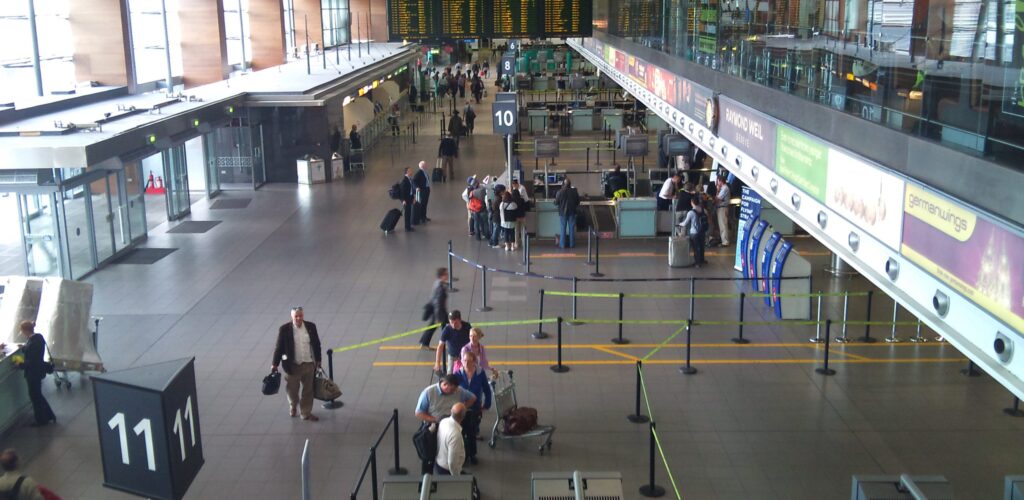
Despite these exceptionally high passenger numbers, waiting times at security remained relatively manageable.
In July, around 93% of departing passengers cleared security in under 20 minutes. Almost 89% got through in less than 15 minutes.
These results do not prevent certain periods of heavy congestion, particularly early in the morning or during the main waves of summer departures.
How early should you arrive at Dublin Airport before your flight?
It is best to allow plenty of time during the summer
With several million travellers expected during the summer season, it is still advisable to plan ahead and arrive at the airport in good time.
Travellers should allow for the time needed to check in their bags, clear security and reach their departure gate.
For transatlantic flights to the United States, they must also allow time to go through US preclearance before departure.
Travellers using Dublin Airport’s car parks would be well advised to book a space in advance during the busiest periods.
August is also expected to be very busy
July’s record may not stand alone
Passenger numbers are not expected to fall immediately. Dublin Airport is also anticipating a particularly busy August, with summer demand remaining very high.
For travellers planning to arrive in or leave Ireland over the coming weeks, these record passenger numbers do not necessarily mean they will encounter difficulties, but they are a good reason to allow extra time when passing through the airport.
With nearly four million passengers in a single month, Dublin Airport is above all confirming the extraordinary strength of tourism and international travel to Ireland during summer 2026.