 +
+
Attacks in Northern Ireland : the must-haves
+
The Omagh Attack
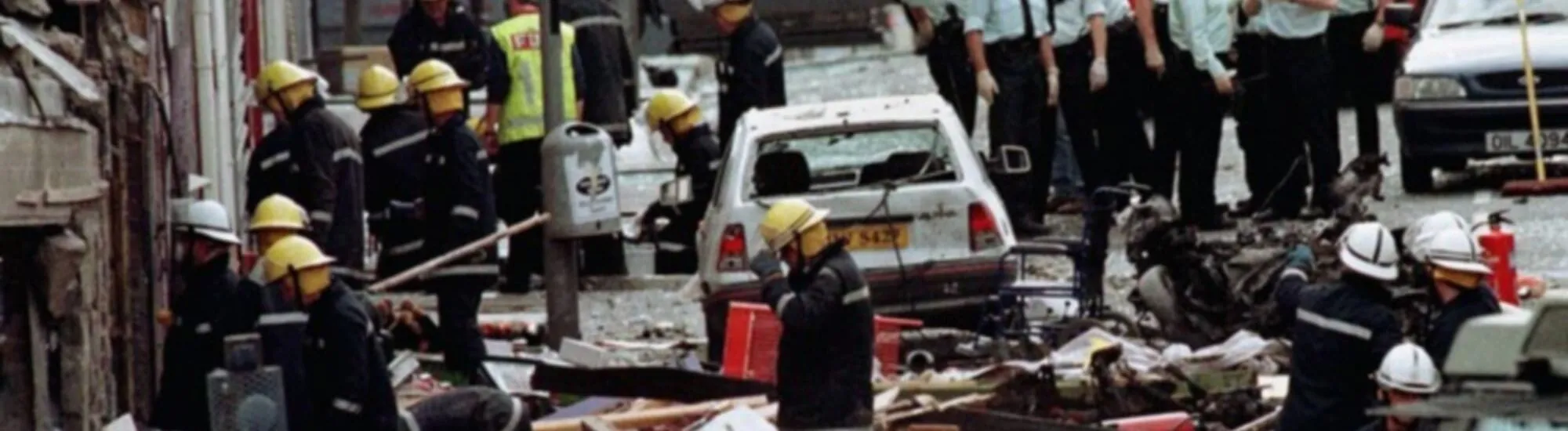
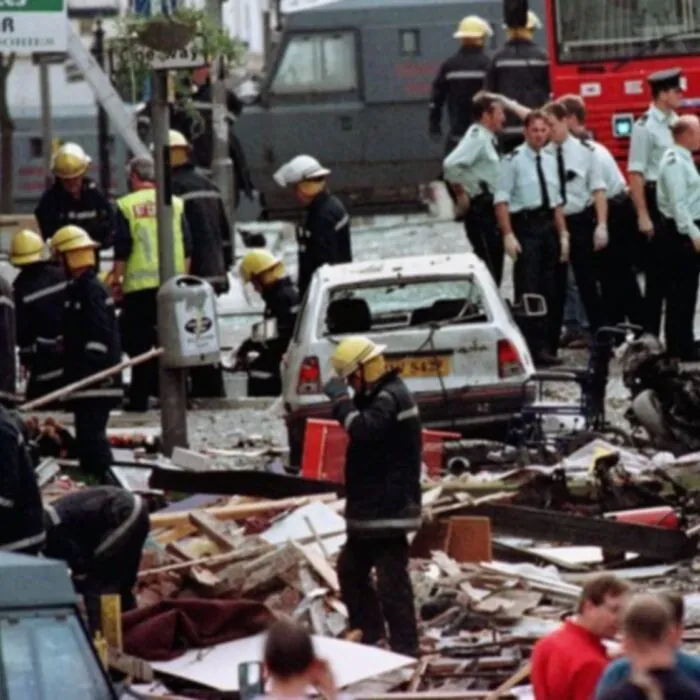
The Omagh bombing refers to a car bomb attack carried out on August 15, 1998, which was terribly deadly. This event greatly…
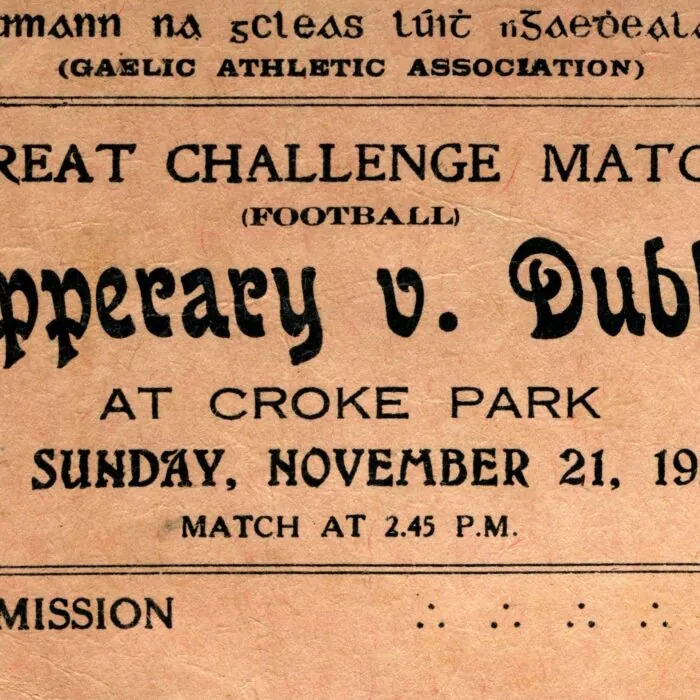
Bloody Sunday 1920
Bloody Sunday in 1920 refers to a day of great violence in Ireland, during the Irish War of Independence. It took place…
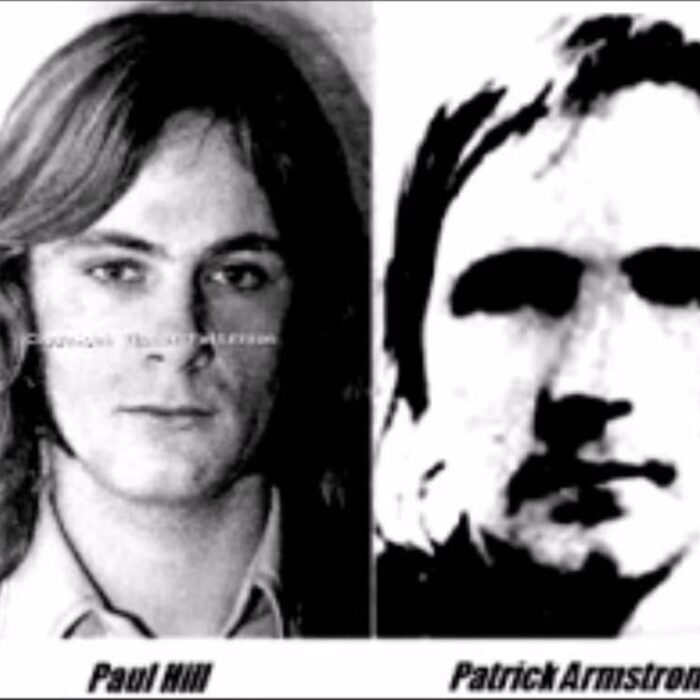
The Guildford Pub Murders
The Guidlford Pubs bombings were carried out by the IRA on October 5, 1974. These 2 attacks led to the explosion of…
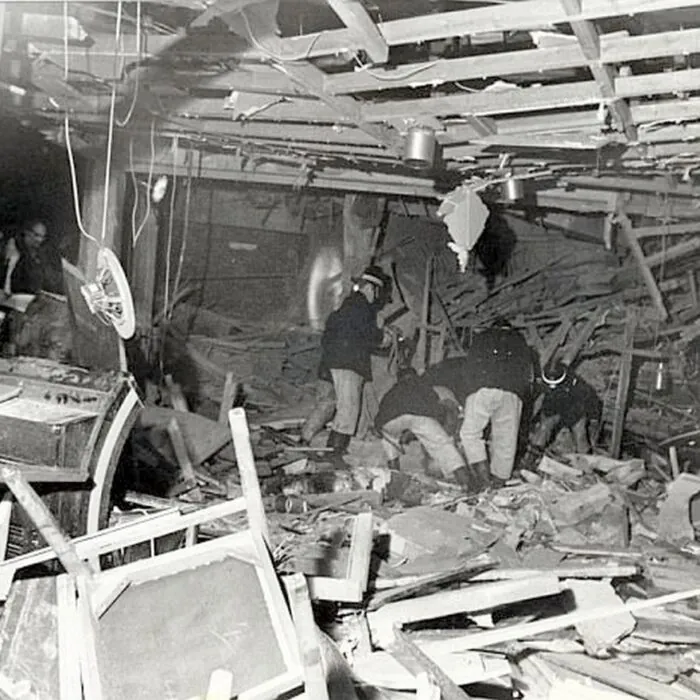
Birmingham pub bombings (1974)
Discover the history and repercussions of the 1974 Birmingham bombing, a tragic act by the IRA that marked a turning point in the Northern Irish conflict.
Attacks in Northern Ireland
The “Troubles” in Northern Ireland, a conflict that lasted from the late 1960s until the Good Friday Agreement in 1998, were marked by a series of attacks and acts of violence mainly carried out by paramilitary groups. These attacks aimed to promote or resist the separation of Northern Ireland from the United Kingdom and were a true trauma for both sides.
The attacks during the Troubles
Attacks of unprecedented violence
The level of violence in the attacks during the Troubles in Northern Ireland was extremely high and tragic. These attacks, often carried out in public places and without discrimination between military and civilian targets, caused a large number of deaths and injuries.
The explosions of Bloody Friday, the Bloody Sunday attack, the Birmingham bombing, and the Enniskillen bombing, for example, each resulted in significant loss of life and serious injuries, demonstrating the brutality of the conflict and its devastating impact on the affected communities.
The paramilitary militias involved
Among the paramilitary groups involved, the Irish Republican Army (IRA) was the most active in the fight for the unification of Ireland, while loyalist groups, such as the Ulster Volunteer Force (UVF) and the Ulster Defence Association (UDA), fought to maintain Northern Ireland’s status within the United Kingdom.
- Bloody Friday (1972): This series of bomb attacks by the IRA in Belfast aimed to destabilize British authority but resulted in many civilian casualties.
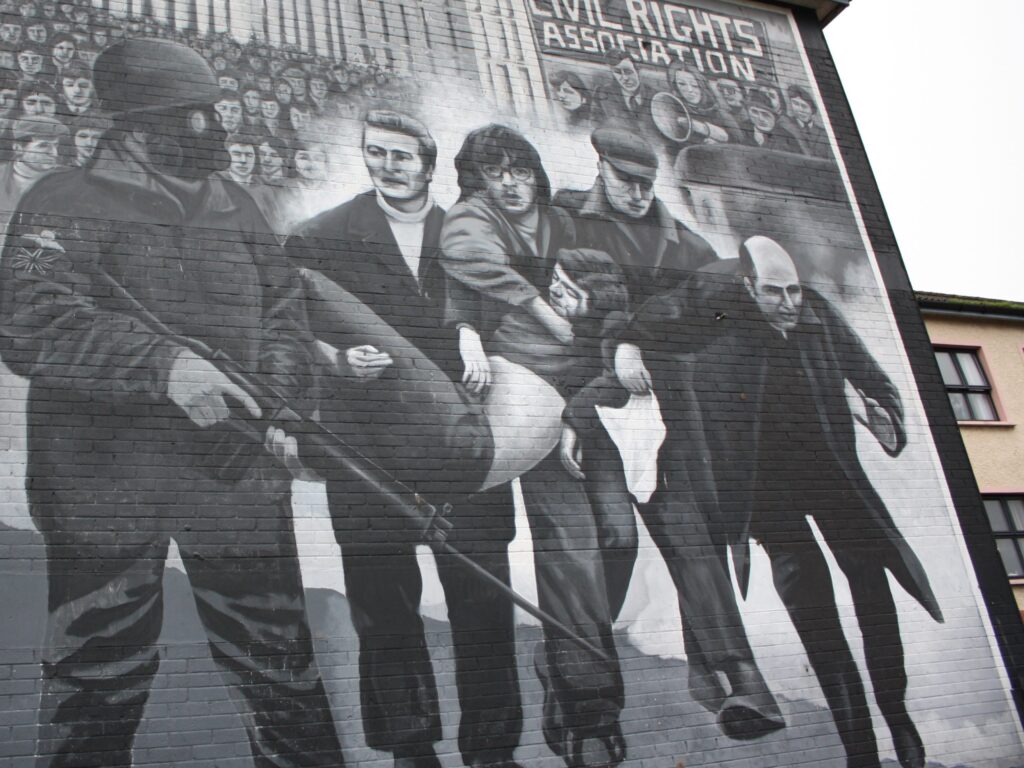
- Bloody Sunday (1972): This shooting by British soldiers against protesters in Derry/Londonderry intensified anger and support for the IRA.
- Birmingham bombing (1974): Bombs in pubs, attributed to the IRA, caused one of the highest numbers of civilian casualties on the British mainland, leading to tougher anti-terrorism legislation.
- Enniskillen bombing (1987): An IRA attack during a Remembrance Day ceremony was particularly shocking and drew widespread condemnation.
These events were turning points in the conflict, deepening divisions, suffering, and the desire for peace, ultimately leading to the negotiations that resulted in the Good Friday Agreement.
Find your accommodation in Ireland!