


 +
+
Irish brewers : the must-haves
+
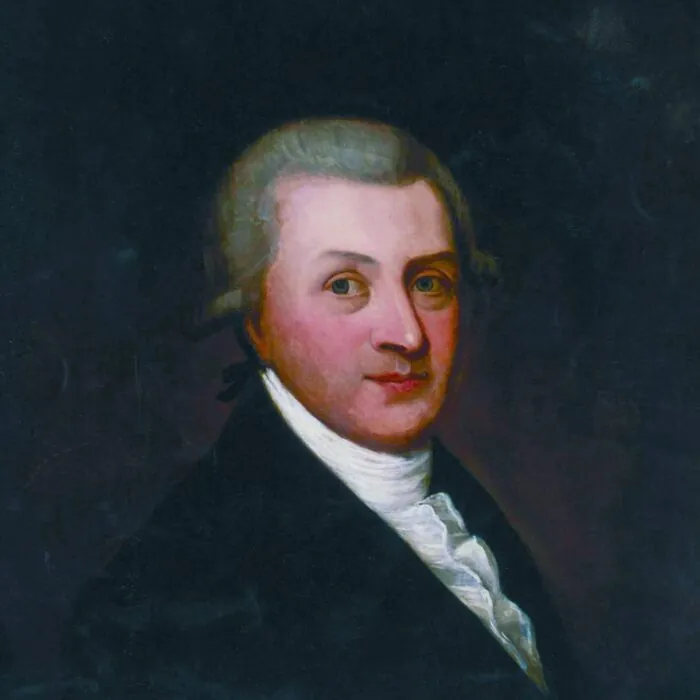
Arthur Guinness (1725–1803)
Arthur Guinness (1725–1803) was the Irishman behind the Guinness brewery. A brilliant businessman, regarded as Ireland’s greatest brewer, he headed a financial empire during his lifetime that endures to this day.

Thomas Crean
Thomas Crean (July 20, 1877 - July 27, 1938) was one of the greatest Irish explorers in history! Known for his courage…
John Smithwick
John Smithwick is a famous Irish brewer, best known for creating Smithwick's, an Irish red ale with fruity, caramelized aromas. Discover its…
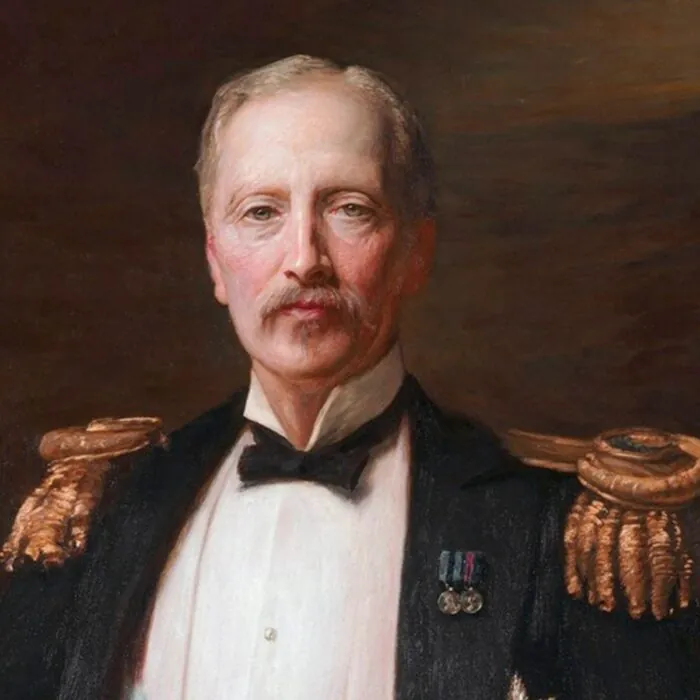
Edward Cecil Guinness
Discover the life and work of Edward Cecil Guinness, Irish brewing magnate and visionary philanthropist, between industrial empire and lasting social legacy.
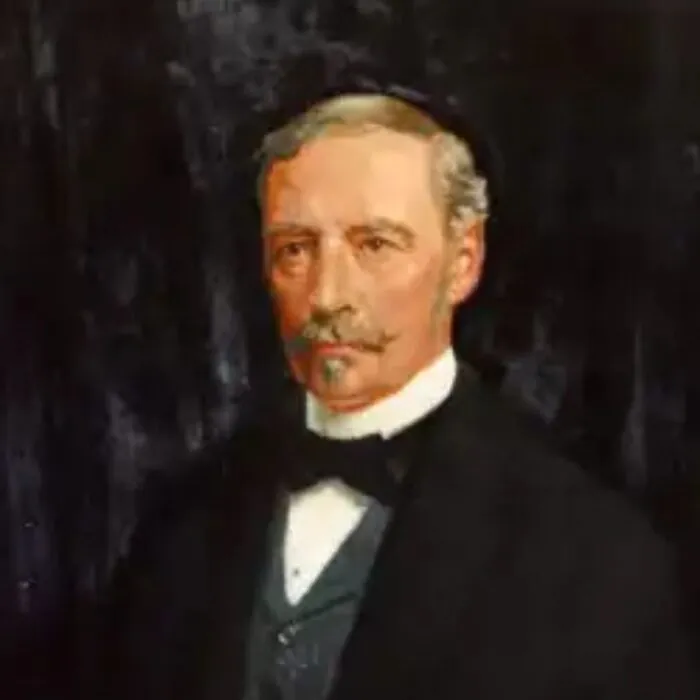
Arthur Edward Guinness (1840-1915)
Discover the life of Arthur Edward Guinness (1840-1915), Guinness heir turned philanthropist and politician, best known for giving Dubliners St. Stephen's Green.
Irish brewers
Ireland is inseparable from its brewing culture. From village pubs to major brands exported across all continents, beer is an integral part of the national identity. But behind this popular heritage lie true brewing dynasties that have built empires and made Ireland shine far beyond its borders. The great Irish brewers are not just entrepreneurs: they are historical, cultural, and sometimes philanthropic figures whose legacy continues to influence society.
Arthur Guinness
The man behind the world’s most famous stout
Born in 1725 in County Kildare, Arthur Guinness is undoubtedly the most famous of Irish brewers. In 1759, he leased a small brewery at St James’s Gate, Dublin, for 9,000 years and began producing a dark beer with creamy foam: the stout.
Quickly, Guinness became an institution, embraced by Dubliners and then exported throughout the British Empire. By the 19th century, it was already the most consumed Irish beer worldwide. Today, the Guinness name has become synonymous with Ireland itself, and the family has played a major role in the country’s industrial and philanthropic development.
John Smithwick and the Smithwick dynasty
The legacy of Kilkenny
In Kilkenny, another dynasty marked the history of Irish beer: the Smithwicks. In 1710, John Smithwick founded his brewery in a former Franciscan abbey. His red beer, Smithwick’s Red Ale, quickly became a national reference.
The brewery, remaining family-owned for over 250 years, embodied the tradition of Irish red beer. Today, Smithwick’s is still produced and maintains a strong connection with Kilkenny, which remains a key center for craft and traditional beer.
John Jameson
The whiskey master turned brewing figure
Although more associated with whiskey, John Jameson, founder of the Jameson distillery in Dublin in 1780, also played a role in the brewing world. His family, originally from Scotland, quickly integrated into Dublin’s high society and contributed to the rise of Irish alcoholic beverages.
While Jameson became synonymous with whiskey, he also maintained close ties with breweries, and his heirs helped boost the consumption of both beer and whiskey in parallel, strengthening Ireland’s image as a land of iconic drinks.
Beamish & Crawford
The rivalry of Cork
In 1792, William Beamish and William Crawford founded the Beamish & Crawford brewery in Cork. It quickly became the main competitor to Guinness, producing a stout very popular in the south of the country.
Throughout the 19th century, Beamish & Crawford competed with Guinness in both domestic and international markets. The brand is now part of the Heineken group but remains a symbol of Cork’s brewing tradition, a city proud of its cultural independence from Dublin.
Murphy’s Brewery
The smooth stout of Cork
In 1856, James J. Murphy founded another brewery in Cork: Murphy’s Brewery. Its stout, smoother than Guinness, quickly became the local alternative and won loyal fans.
Murphy’s embodies Cork’s identity, often contrasted with Dublin’s. Although now owned by Heineken, it continues to be produced and consumed in its city of origin, symbolizing the historic rivalry between Irish breweries.
Franciscan Well Brewery
Modern craftsmanship
Alongside the great dynasties, new generations of brewers have emerged. Founded in 1998 in Cork, the Franciscan Well Brewery pays tribute to local brewing traditions while developing innovative craft beers. Its IPAs, lagers, and stouts modernize the image of Irish beer, proving the island is not stuck in its classics but open to experimentation.
The brewery, located on the site of a former Franciscan monastery, continues the connection between history, spirituality, and brewing.
The Irish brewers’ diaspora
When emigration carries tradition
As with music and literature, Irish emigration played a role in spreading brewing traditions. Many emigrants founded breweries in their new countries, inspired by Irish recipes.
In the United States, Canada, and Australia, breweries with Irish-sounding names perpetuate the image of a friendly and authentic beer, inherited from Irish pubs. These initiatives testify to the cultural and economic impact of Irish brewers beyond the island.
The social and philanthropic impact of brewers
Entrepreneurs serving the people
The great Irish brewers were not only industrialists: many had a major social role. The Guinness family, for example, invested heavily in building workers’ housing, schools, and hospitals in Dublin.
These initiatives helped improve the daily lives of thousands of workers while consolidating the brewers’ reputation as paternalistic but also philanthropic figures.

Find your accommodation in Ireland!


