Hunger
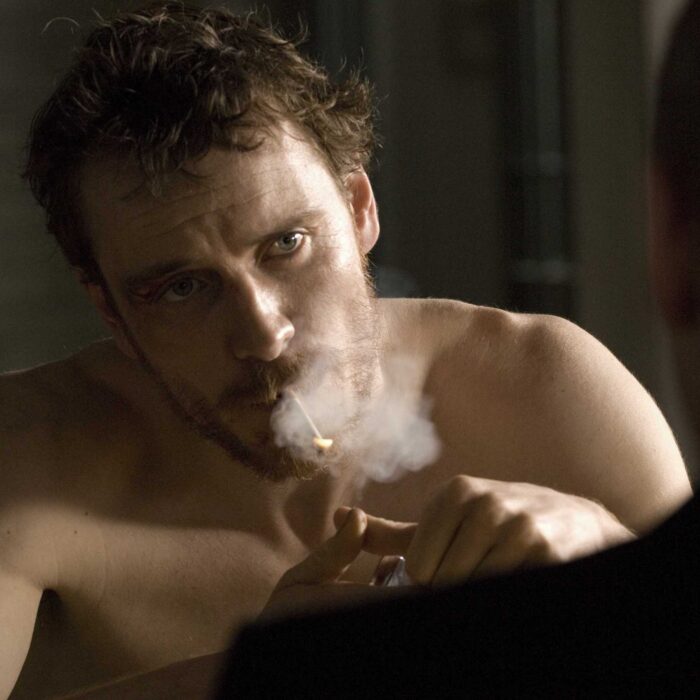
Hunger is a film dedicated to the struggle of IRA activist Bobby Sands, who embarked on a deadly hunger strike in the…

 4.00/5 (12 votes)
 4.00/5 (12 votes)
 4.30/5 (10 votes)
 3.78/5 (9 votes)
 3.67/5 (9 votes)
 4.00/5 (9 votes)
 3.11/5 (9 votes)
 4.00/5 (9 votes)
 2.88/5 (8 votes)
 4.50/5 (8 votes)
 4.38/5 (8 votes)
Cinema has always found in Ireland an inexhaustible source of inspiration. Between its spectacular landscapes, its troubled history, and its culture rich in legends and colorful characters, the island has served as a setting and theme for many films that have become essential. Some highlight rural traditions, others explore political struggles, while the most recent reflect a modern and universal Ireland.
Films dedicated to Ireland stand out for the variety of their approaches. Some celebrate the beauty of the countryside and the strength of traditions, others focus on depicting political conflicts, notably those related to independence or the Troubles in Northern Ireland. Through fiction, cinema offers a sensitive reading of history while giving worldwide visibility to an insular culture that has left its mark far beyond its borders.
Directed by John Ford and filmed in Connemara, The Quiet Man is one of the most emblematic films related to Ireland. It tells the story of an American boxer (John Wayne) who returns to his Irish hometown and finds love there (Maureen O’Hara).
This film is famous for its magnificent landscapes, its idealized vision of rural Ireland, and its picturesque humor. Although it offers a stereotypical image, it greatly contributed to popularizing Ireland among the international general public.
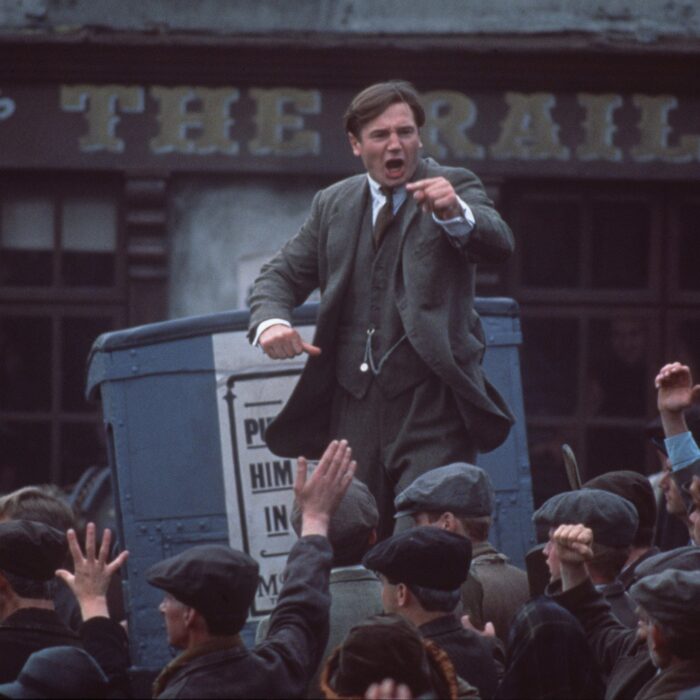
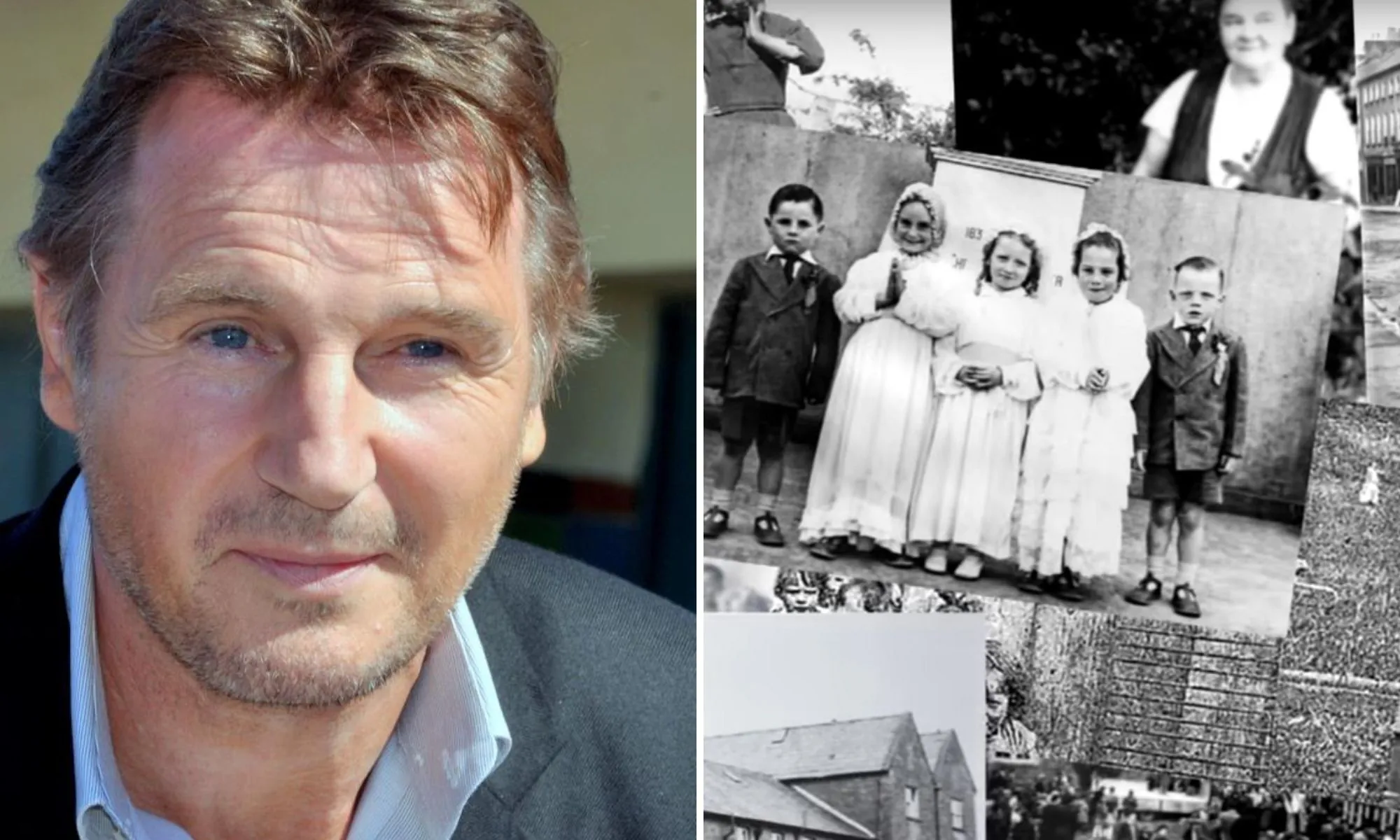
Directed by Neil Jordan, Michael Collins traces the life of the Irish revolutionary Michael Collins, a key figure in the struggle for independence. Played by Liam Neeson, Collins is portrayed as a bold and tragic strategist, caught between idealism and political compromise.
The film illustrates one of the most important chapters of modern Irish history, that of the War of Independence and the creation of the Irish Free State. With an impressive cast (Alan Rickman, Julia Roberts), it blends historical epic and personal drama.
Directed by Jim Sheridan, In the Name of the Father tells the true story of Gerry Conlon, a young man from Belfast falsely accused of bombing in England along with three others, the “Guildford Four.”
This film, led by Daniel Day-Lewis, denounces the injustices of the British judicial system during the Troubles. It is both a political drama, a miscarriage of justice story, and a reflection on reconciliation. Its dramatic intensity and commitment make it a classic of engaged cinema on Ireland.
Directed by Paul Greengrass, Bloody Sunday depicts the tragedy of January 30, 1972, in Derry, when a peaceful march for civil rights turned into a massacre by the British army. Thirteen civilians were killed, marking a turning point in the Northern Ireland conflict.
Shot handheld and almost documentary-style, this harrowing film seeks to convey the tension and chaos of the day. It is considered one of the most realistic and poignant cinematic portrayals of the Troubles.
Once is an intimate film directed by John Carney. It tells the story of a street musician from Ireland and a Czech immigrant in Dublin, united by music and a fragile relationship.
Far from historical dramas, this film explores contemporary life in Dublin, with its dreams, uncertainties, and poetry. Its soundtrack, notably the song Falling Slowly, won the Oscar for Best Original Song.
Adapted from Colm Tóibín’s novel, Brooklyn tells the story of Eilis, a young Irish woman forced to emigrate to New York in the 1950s. Torn between her homeland and her new life, she must choose between two worlds.
With Saoirse Ronan in the lead role, the film received immense critical and public success. It illustrates the condition of Irish emigrants, a central theme in the island’s history, while offering a universal story about uprooting.
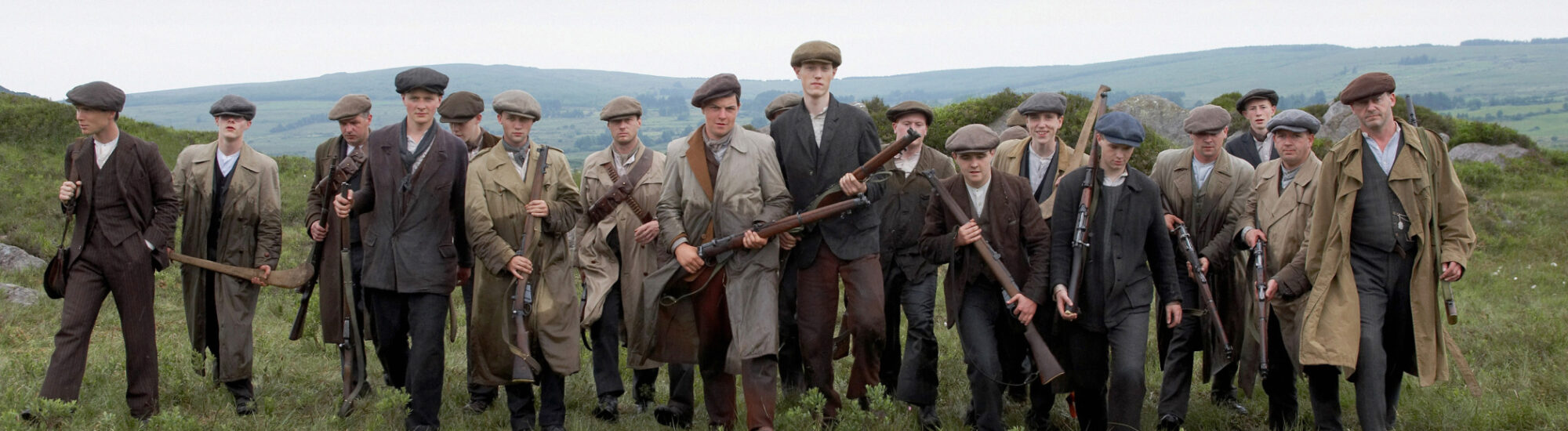
Directed by Ken Loach, The Wind That Shakes the Barley follows two brothers engaged in the Irish War of Independence, then torn apart by the ensuing civil war.
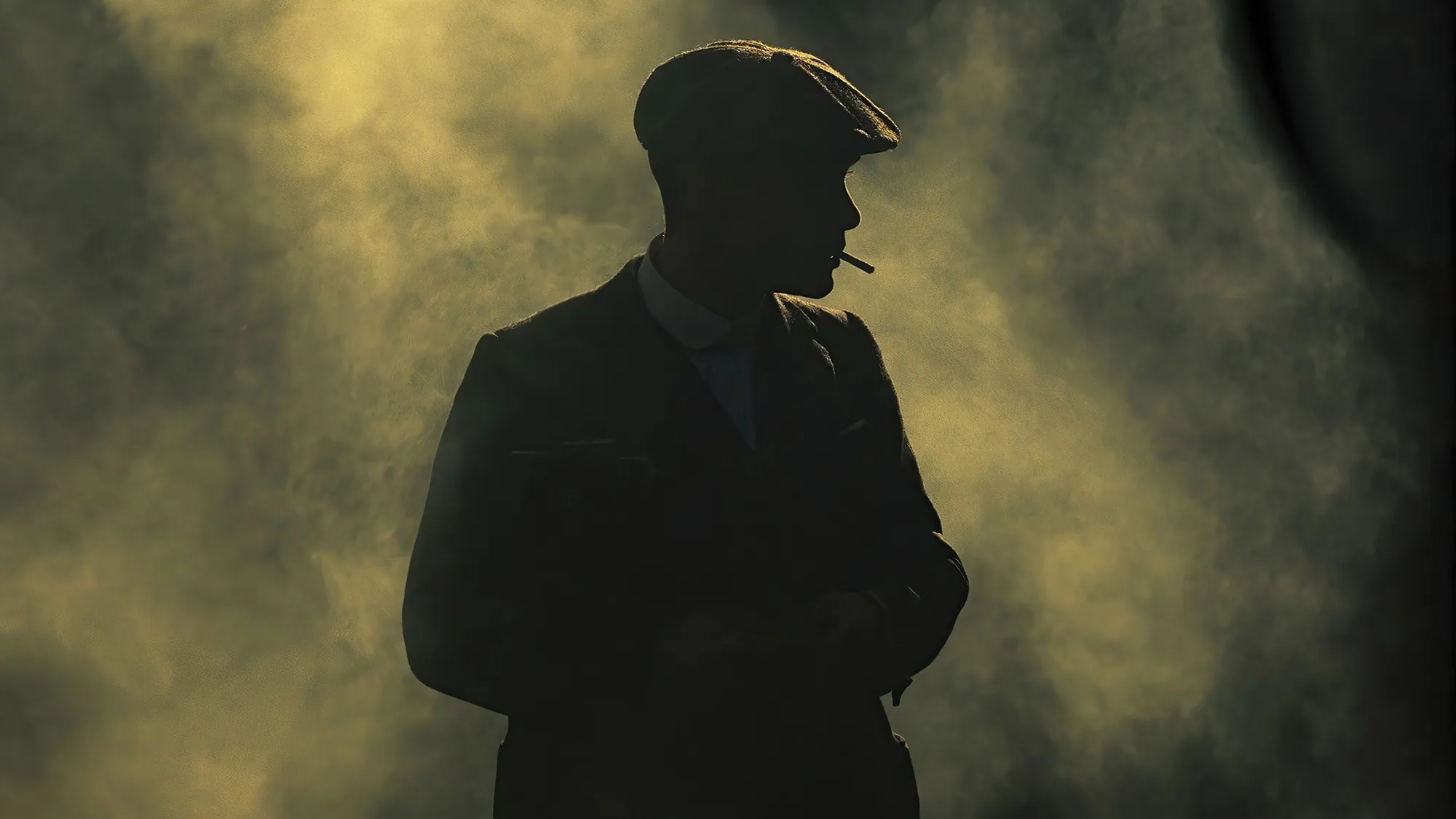
With Cillian Murphy in one of the main roles, this committed film shows the dilemmas and fractures of a country in search of freedom. Awarded the Palme d’Or at Cannes, it remains a major milestone in European political cinema about Ireland.
Directed by Martin McDonagh, The Banshees of Inisherin is set on a fictional island off Ireland in the 1920s. It depicts the absurd and tragic story of two friends, one of whom suddenly decides to end their relationship.
With Colin Farrell and Brendan Gleeson, this film blends dark humor, sublime landscapes, and reflection on the Irish civil war in the background. Awarded several international prizes, it illustrates the vitality of contemporary Irish cinema.
Whether historical epics like Michael Collins or The Wind That Shakes the Barley, social dramas like In the Name of the Father, intimate romances like Once or Brooklyn, or modern parables like The Banshees of Inisherin, the great films about Ireland demonstrate remarkable thematic and aesthetic diversity.
They not only allow revisiting Irish history but also celebrate its landscapes, contradictions, and creativity. Cinema thus remains a mirror of Ireland, accessible to the entire world.