 +
+
Irish nationalists : the must-haves
+
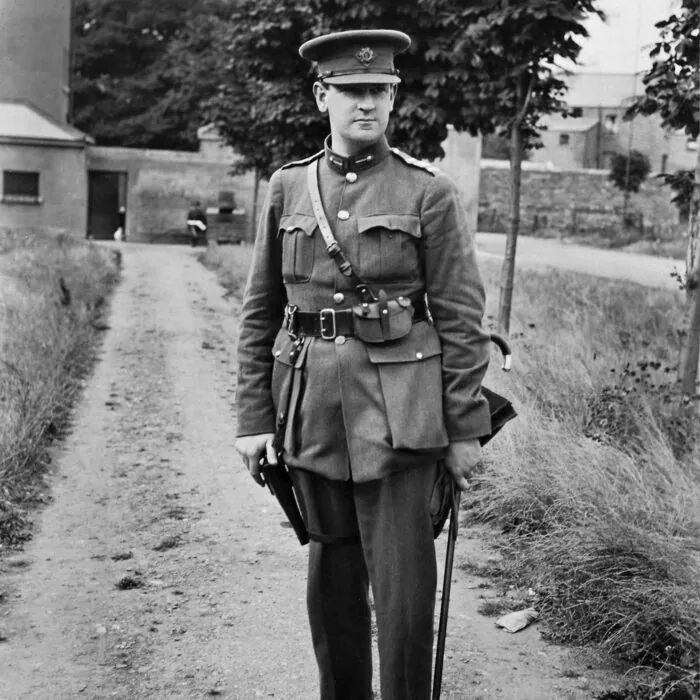
Michael Collins
Michael Collins (1890-1922) was a leading figure in the struggle for Irish independence. He instigated a veritable guerrilla war against the British…
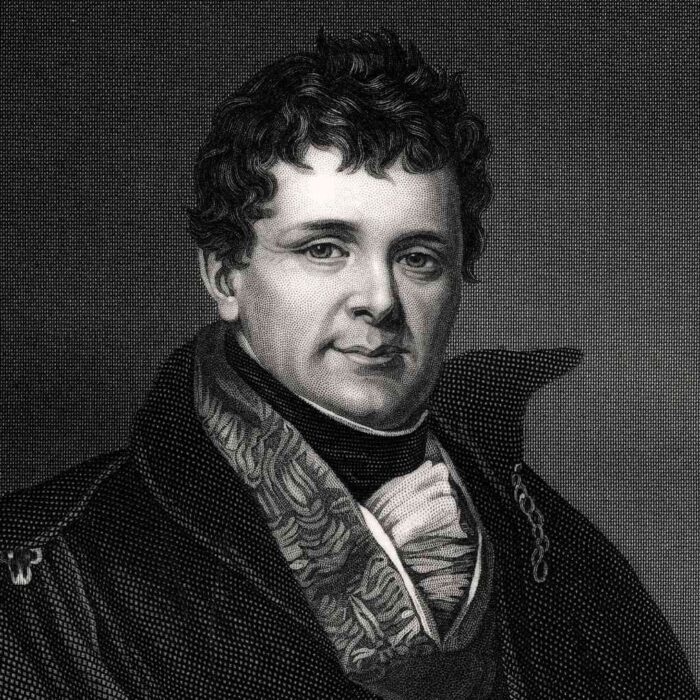
Daniel O’Connell
In Ireland, there are national heroes who can’t be ignored. And Daniel O’Connell is one of them! Nicknamed “The Liberator”, or “the…
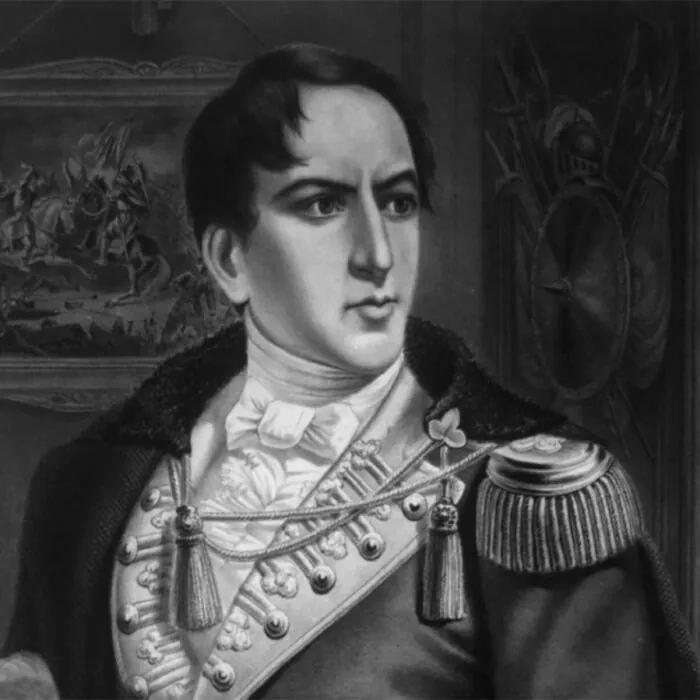
Robert Emmet
Robert Emmet (1778-1803) was an Irish nationalist who led a revolt against the British government in 1803, in order to emancipate Ireland…
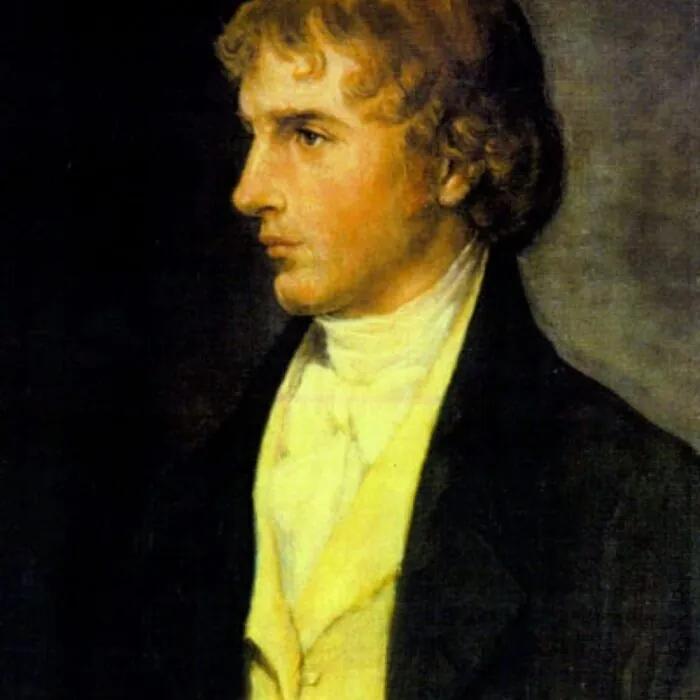
Henry Joy McCracken
Henry Joy McCracken (1776 -1798) was a radical Presbyterian who, along with Theobald Wolfetone (1763-1798) and Robert Emmet (1778-1803), founded the United…
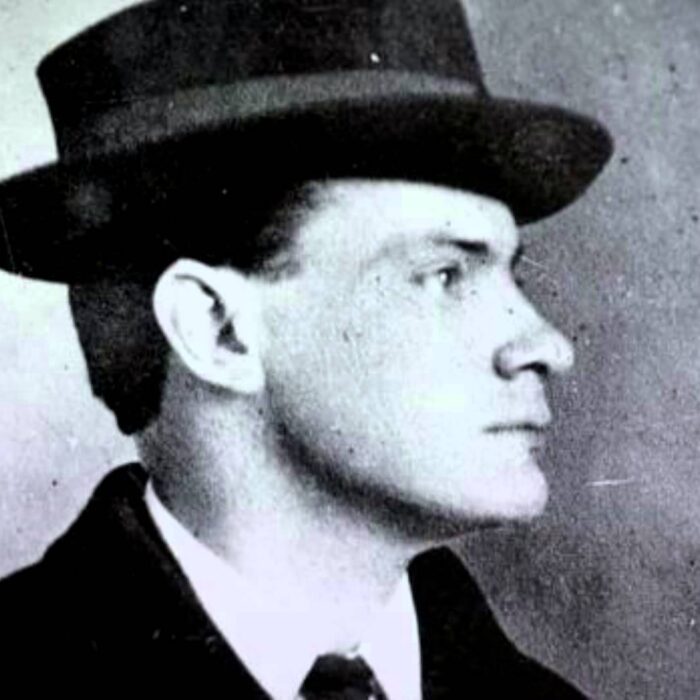
Patrick Pearse
Patrick Pearse (1879-1916) is one of the most emblematic figures of Irish history in the struggle for independence. A man of action,…
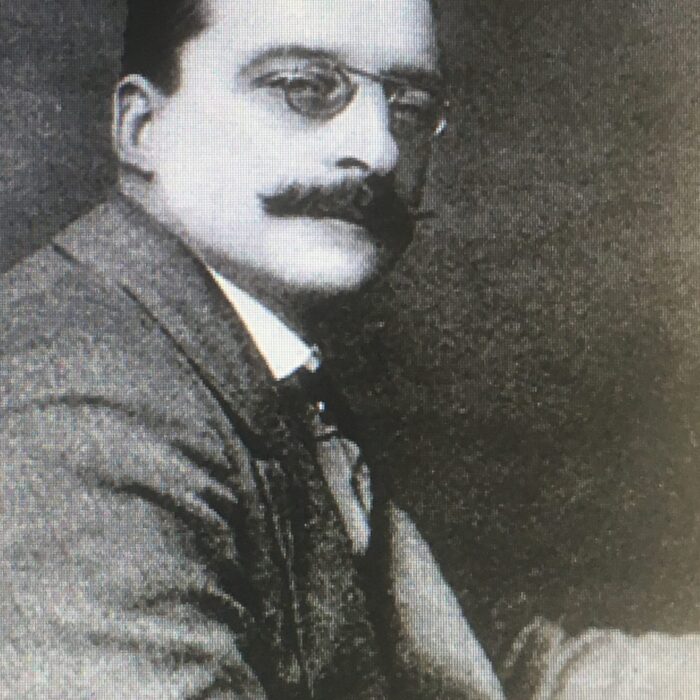
Arthur Griffith
Arthur Griffith (1871-1922) was an Irish politician who fought throughout his career for the creation of the Irish Free State. Founder of…
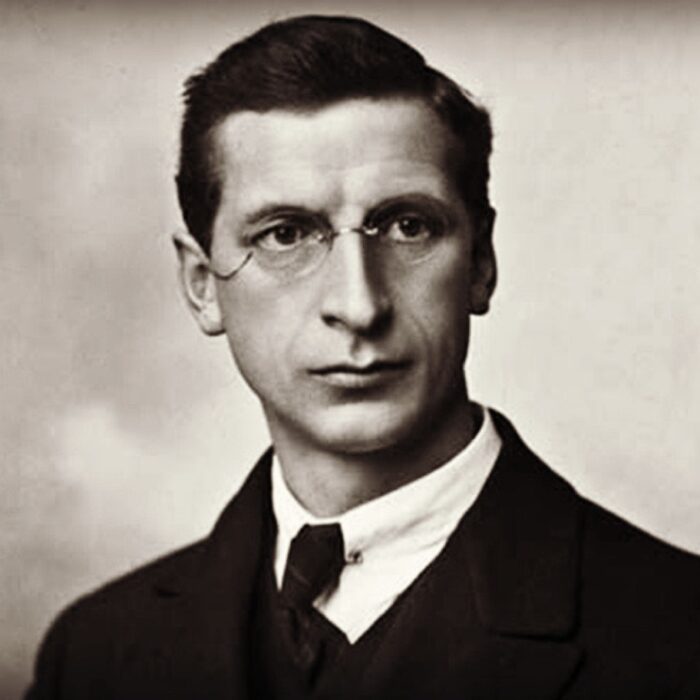
Éamon de Valera
Eamon de Valera (1882-1975) was an Irish politician who played a major role in the creation of the Irish Free State. Considered…
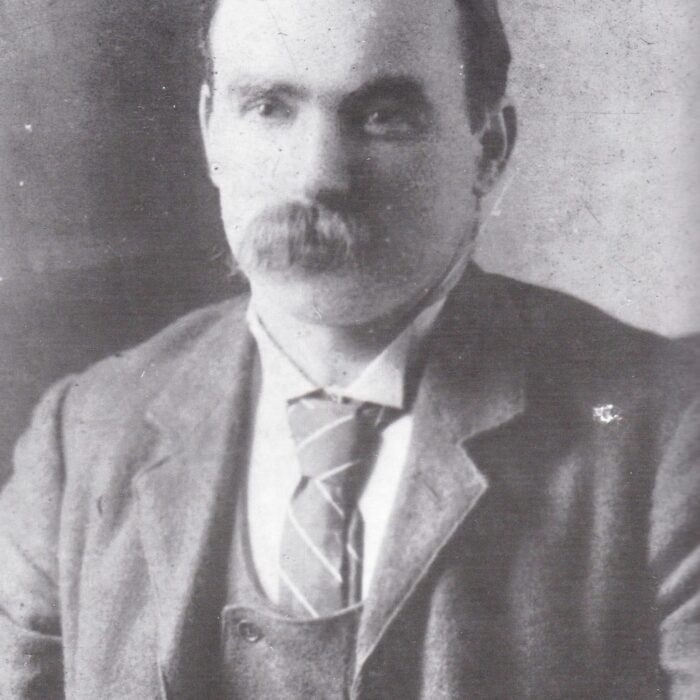
James Connolly
James Connolly (1868-1916) was one of the main leaders in the struggle for independence of the Irish Republic. A politician deeply rooted…
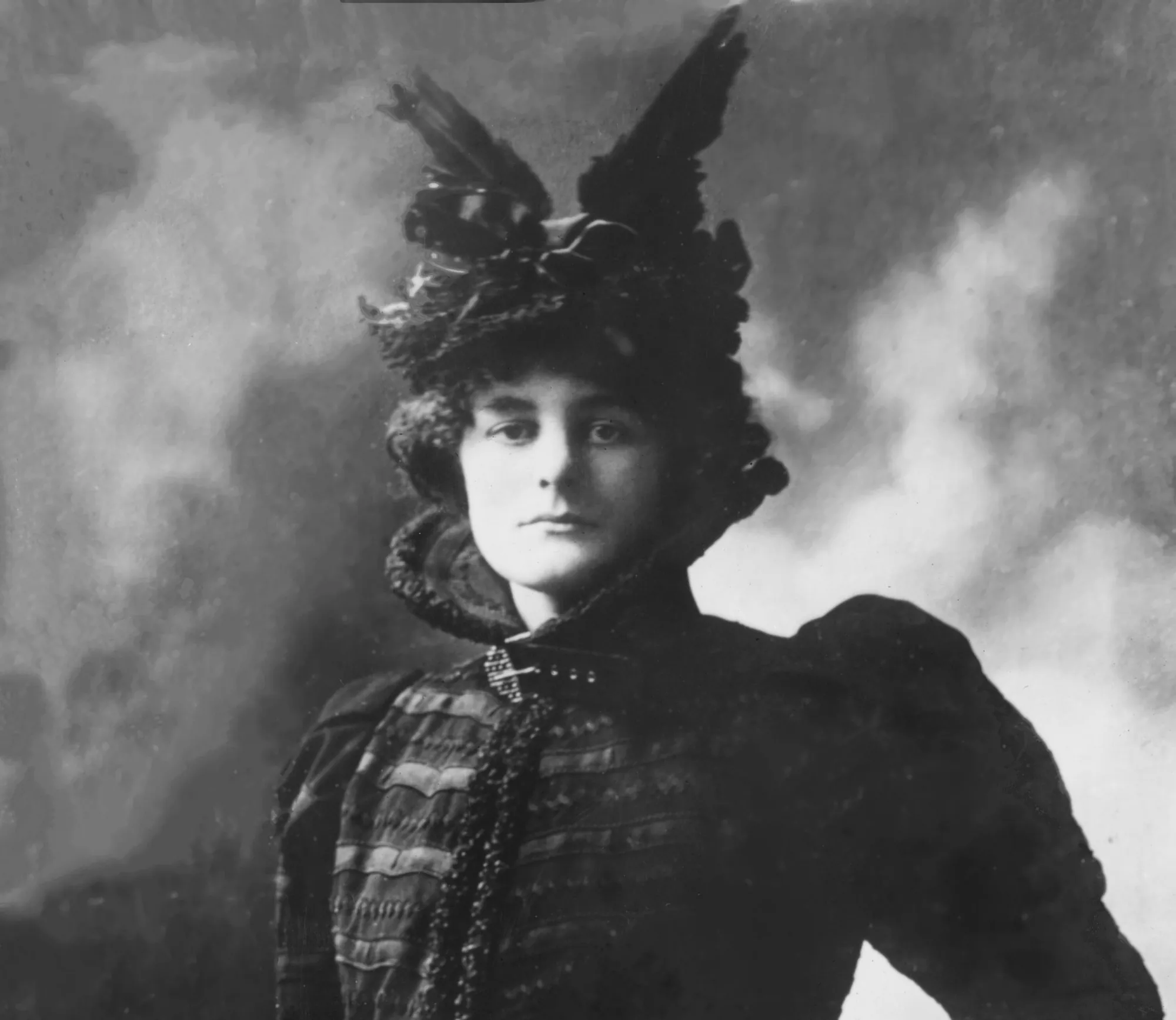
Irish nationalists
The history of Ireland is inseparable from its struggles for independence and self-determination. For several centuries, men and women have carried the torch of Irish nationalism, whether political, cultural, or revolutionary. Their battles, sometimes peaceful, sometimes armed, have shaped the island’s identity and paved the way for the creation of a free state in the 20th century. These great Irish nationalists, figures sometimes idealized or controversial, remain at the heart of collective memory today.
Wolfe Tone (1763–1798)
The Father of Irish Republicanism
Theobald Wolfe Tone, a Protestant lawyer from Dublin, is considered one of the founders of modern republican nationalism. Co-founder of the Society of United Irishmen, he campaigned for the union of Catholics and Protestants in a common fight against British domination.
Inspired by the French Revolution, he sought military aid from France to liberate Ireland. Captured after an invasion attempt in 1798, he took his own life in prison. Wolfe Tone remains a mythical figure, symbolizing inclusive and revolutionary nationalism.
Daniel O’Connell (1775–1847)
The “Liberator”
Known as “The Liberator,” Daniel O’Connell was an outstanding lawyer and orator who dedicated his life to the emancipation of Catholics. He led a mass peaceful mobilization, notably through monster meetings, sometimes gathering hundreds of thousands of people.
His efforts led to the adoption of the Catholic Emancipation Act of 1829, granting Catholics the right to sit in the British Parliament. O’Connell embodies legalistic and non-violent nationalism, deeply rooted in the defense of civil rights.
Charles Stewart Parnell (1846–1891)
The “Uncrowned King of Ireland”
A member of the British Parliament, Charles Stewart Parnell transformed Irish politics at the end of the 19th century. As leader of the Irish Parliamentary Party, he fought for Ireland’s internal autonomy (Home Rule).
At the same time, he supported the Land League, an organization defending peasants’ rights against large landowners. Charismatic and influential, Parnell became a key figure in parliamentary nationalism. His career was, however, broken by a personal scandal, but his legacy remains fundamental.
John Redmond (1856–1918)
The Last Great Parliamentarian Before Independence
Successor to Parnell, John Redmond continued the fight for Home Rule. In 1912, he succeeded in passing a law granting limited autonomy to Ireland.
However, World War I disrupted his plans. Redmond encouraged the Irish to enlist in the British army, hoping this would ensure the implementation of Home Rule. This strategy discredited his movement after the 1916 Easter Rising, which opened a more radical era of nationalism.
Patrick Pearse (1879–1916)
The Revolutionary Poet
Patrick Pearse, writer, poet, and educator, was one of the main leaders of the 1916 Easter Rising. Convinced that only armed rebellion would achieve independence, he proclaimed the Irish Republic in front of Dublin’s General Post Office.
Executed after the uprising’s failure, Pearse became a martyr and symbol of radical nationalism. His writings and speeches, full of lyricism, continue to influence Irish revolutionary memory.
James Connolly (1868–1916)
The Republican Socialist
Born in Edinburgh to Irish parents, James Connolly was a socialist and trade union activist before becoming one of the leaders of the 1916 uprising. Founder of the Irish Citizen Army, a workers’ militia, he saw Irish nationalism as inseparable from social justice.
Severely wounded during the uprising, he was executed by the British, tied to a chair due to his condition. His death made him one of the most revered figures of the labor and nationalist movement.
Michael Collins (1890–1922)
The Strategist of Independence
Michael Collins, from Cork, was one of the main architects of the War of Independence (1919–1921). A brilliant organizer, he established a formidable intelligence network and led guerrilla operations against British forces.
Negotiator of the Anglo-Irish Treaty in 1921, he accepted a compromise that created the Irish Free State but left Ulster in the United Kingdom. This choice sparked a civil war among nationalists. Assassinated in 1922, Collins remains a charismatic and controversial figure, both hero and pragmatist.
Éamon de Valera (1882–1975)
The Survivor Turned President
Born in New York to a Spanish father and Irish mother, Éamon de Valera participated in the 1916 Rising but escaped execution. Political leader of Sinn Féin, he rejected the 1921 treaty and led the civil war against Michael Collins’ supporters.
De Valera then dominated Irish politics for over fifty years, as head of government and later president. He embodied uncompromising but institutionalized political nationalism, guiding independent Ireland toward neutrality and national consolidation.
Bobby Sands (1954–1981)
The Symbol of Nationalism in Northern Ireland
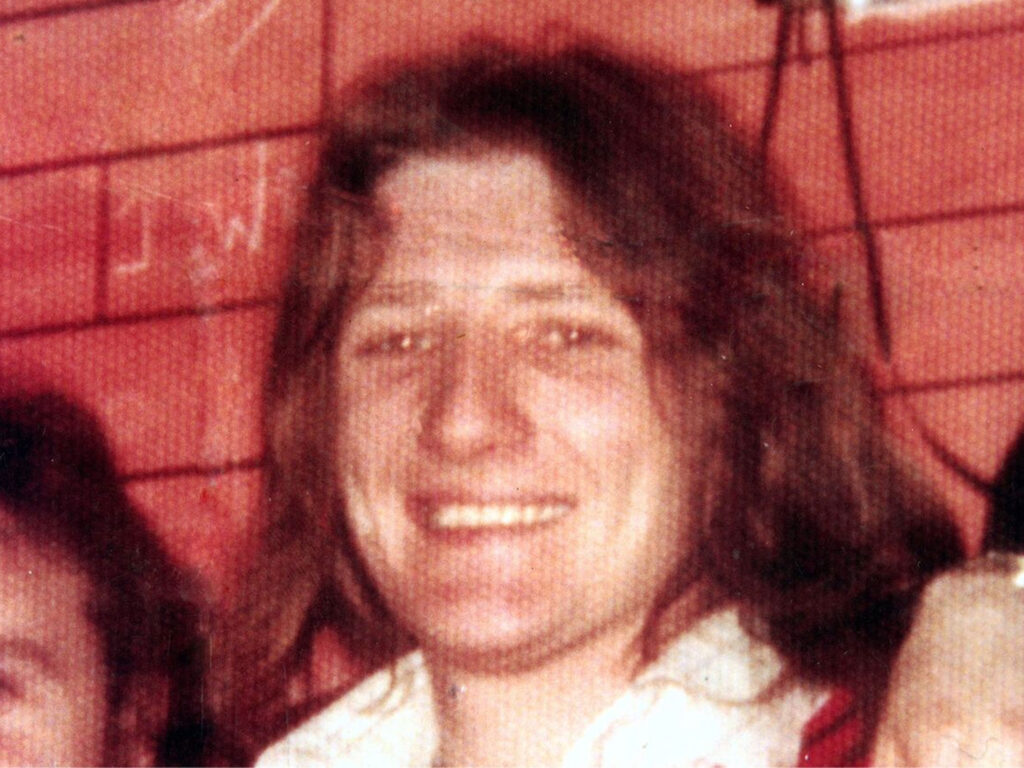
An emblematic figure of the republican struggle in Northern Ireland, Bobby Sands was a member of the Provisional IRA. Imprisoned, he led a hunger strike in 1981 to obtain political prisoner status.
Elected as a Member of Parliament during his strike, he died after 66 days of fasting. His death caused a worldwide shockwave and made him a symbol of republican nationalism in the context of the Troubles.
Find your accommodation in Ireland!