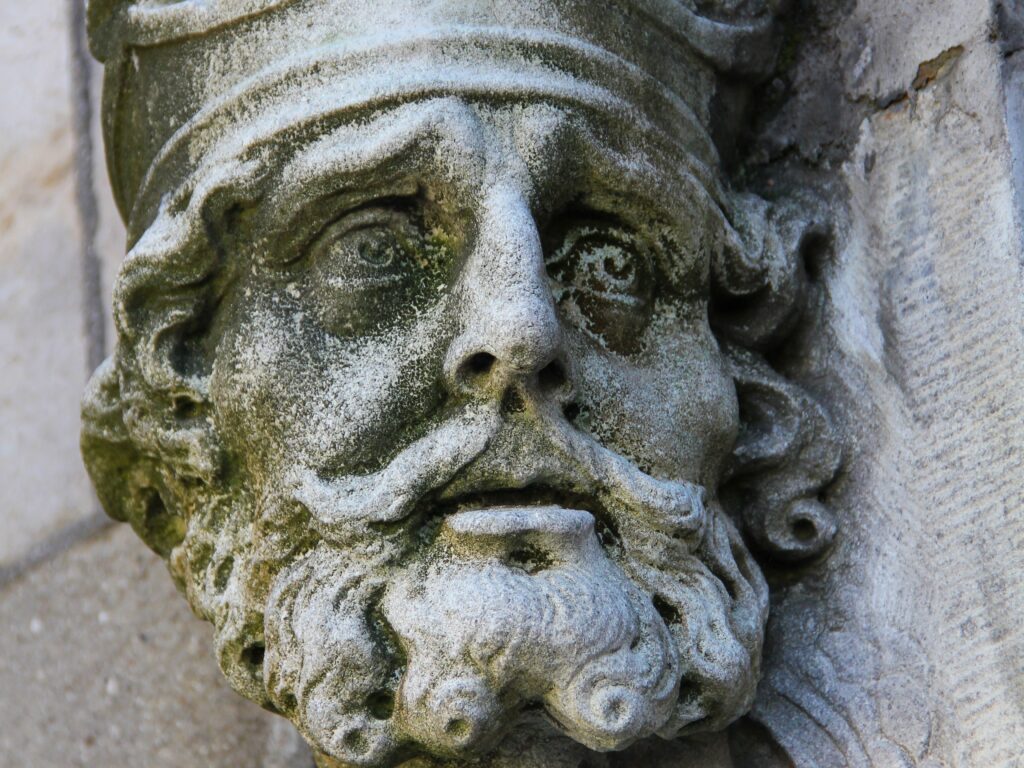
The Ard rí Érenn (High Kings of Ireland)
Brian Boru
In 11th-century Ireland, power was not exercised from a single capital. The island was divided among a multitude of kingdoms, rival dynasties…


The Ard rí Érenn (High Kings of Ireland)
In 11th-century Ireland, power was not exercised from a single capital. The island was divided among a multitude of kingdoms, rival dynasties…
Irish mythological characters The Ard rí Érenn (High Kings of Ireland)
Ailill Mac Máta is an Irish king from Celtic mythology. He was one of the main characters in the major Irish story…

Kings and Queens of the Kingdom of Ireland
Henry VIII (1491-1547) is remembered for his violent reign, marked by religious reform and political conflict. [...]
Kings and Queens of the Kingdom of Ireland
Niall Noigiallach was the first historically recognized supreme high king of Ireland, who ruled the island from 399 to 342. A pagan…
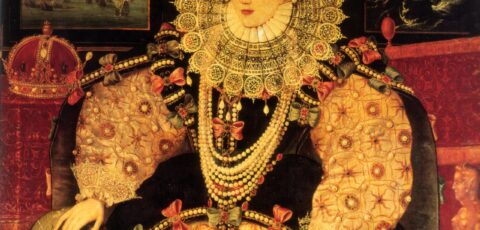
Kings and Queens of the Kingdom of Ireland
Elizabeth I is one of the most famous queens to have ruled England and Ireland. His reign, which lasted from November 17,…
The Ard rí Érenn (High Kings of Ireland)
Cormac Mac Airt (also known as“Corbmac” from Baile Chuinn Chétchathaig) was a high king of Ireland (an Ard ri Érenn) from Irish…

British personalities Kings and Queens of the Kingdom of Ireland
Queen Victoria, one of the most iconic monarchs in British history, led an era of profound socio-political change in Ireland. His particularly…
Kings and Queens of the Kingdom of Ireland
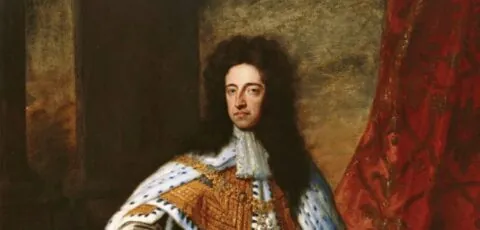
William of Orange (or William III), is a historical figure who played a major role in the history of Ireland. Born into…
British personalities Kings and Queens of the Kingdom of Ireland
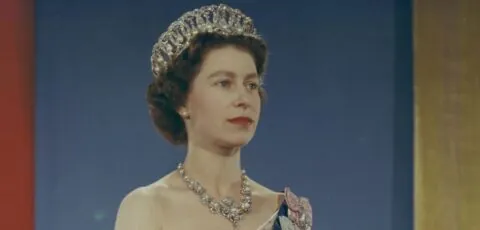
Queen of the United Kingdom and other Commonwealth kingdoms since 1952, Elizabeth II (1926-2022) was a contemporary monarch who left her mark…

Kings and Queens of the Kingdom of Ireland
Rory O’Connor (Ruaidrí Ua Conchobair), born around 1116, is an iconic figure in Irish history, best known for being the last High…
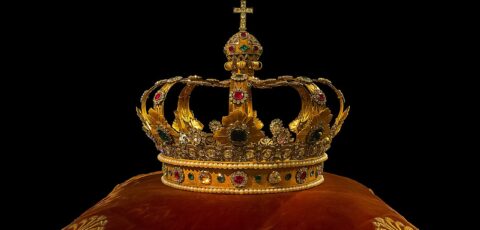
Ireland was long a monarchy kingdom. Initially ruled by Irish “High Kings” (Ard ri Érenn in Irish Gaelic), then by British Monarchs, Ireland has a history marked by the royal rulers of Ireland and England. A brief look back at the great kings and queens who shaped Irish history…
In ancient Ireland, the title of High King was largely honorary, representing a supremacy more ceremonial than practical. However, these kings played a crucial role in establishing peace and unity.
Conn Cétchathach, Brian Boru, and Máel Sechnaill II are among the most notable, distinguished by their courage in battle and their insight in many situations.
In the 11th century, Ireland suffered massive Viking invasions. Viking kings, including Turgeis and Imar, established kingdoms on the island, the most significant being the kingdom of Dublin. Their reign, though oppressive, also brought cultural and economic exchanges.
Brian Boru, a High King of Ireland, is renowned for defeating the Vikings and pacifying the territory after the terrible Battle of Clontarf.
In the 12th century, Ireland became the playground of Norman and Angevin kings, notably Henry II of England, who received the title Lord of Ireland from the pope himself.
His dynasty transformed Ireland, establishing a feudal system and marking the beginning of British influence.
In the 16th century, under the reign of Henry VIII, Ireland was declared an official kingdom. A kingdom living under the aegis of the English monarch.
The policy of “surrender and regrant” shaped Irish history, as did the reign of his daughter, Queen Elizabeth I, whose policies led to the Plantation of Ulster.
In the 17th century, under the reign of Charles I and James II, Ireland was the scene of religious and territorial conflicts. Their policies exacerbated tensions between Catholics and Protestants, culminating in the Williamite War, which solidified Protestant control with its victory at the Battle of the Boyne.
In the 18th and 19th centuries, Ireland was under the rule of the House of Hanover. George III, Victoria, and their successors left a particular mark on Ireland, notably with the Act of Union of 1801, which officially allowed the annexation of Ireland by the United Kingdom.