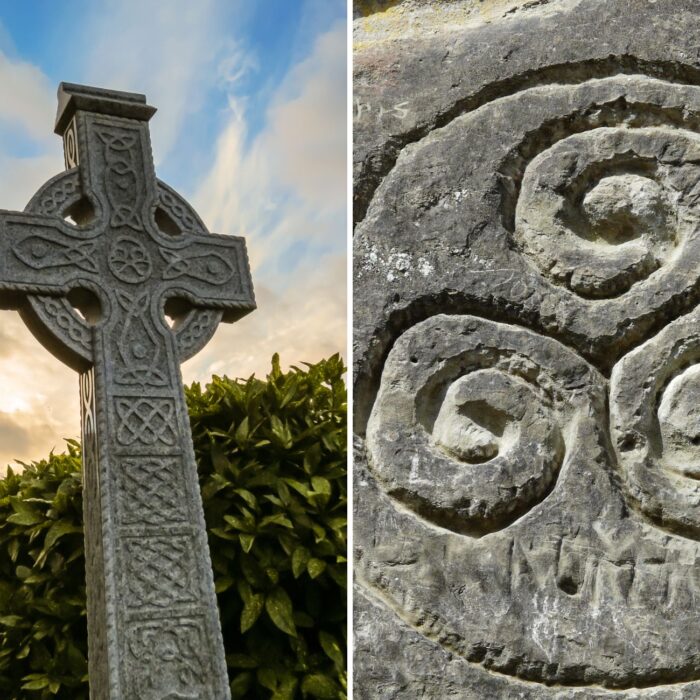
In Ireland, religion is no joke. It has deeply marked the country from the 5th century to the present day. It will also be difficult for you to meet a non-believing Irish person, as in Ireland, more than 95% of the Irish and Northern Irish population is Catholic compared to only 4% Protestants… A brief overview of what you need to know about religion in Ireland…
History and influence on Irish daily life
Christianization of Ireland
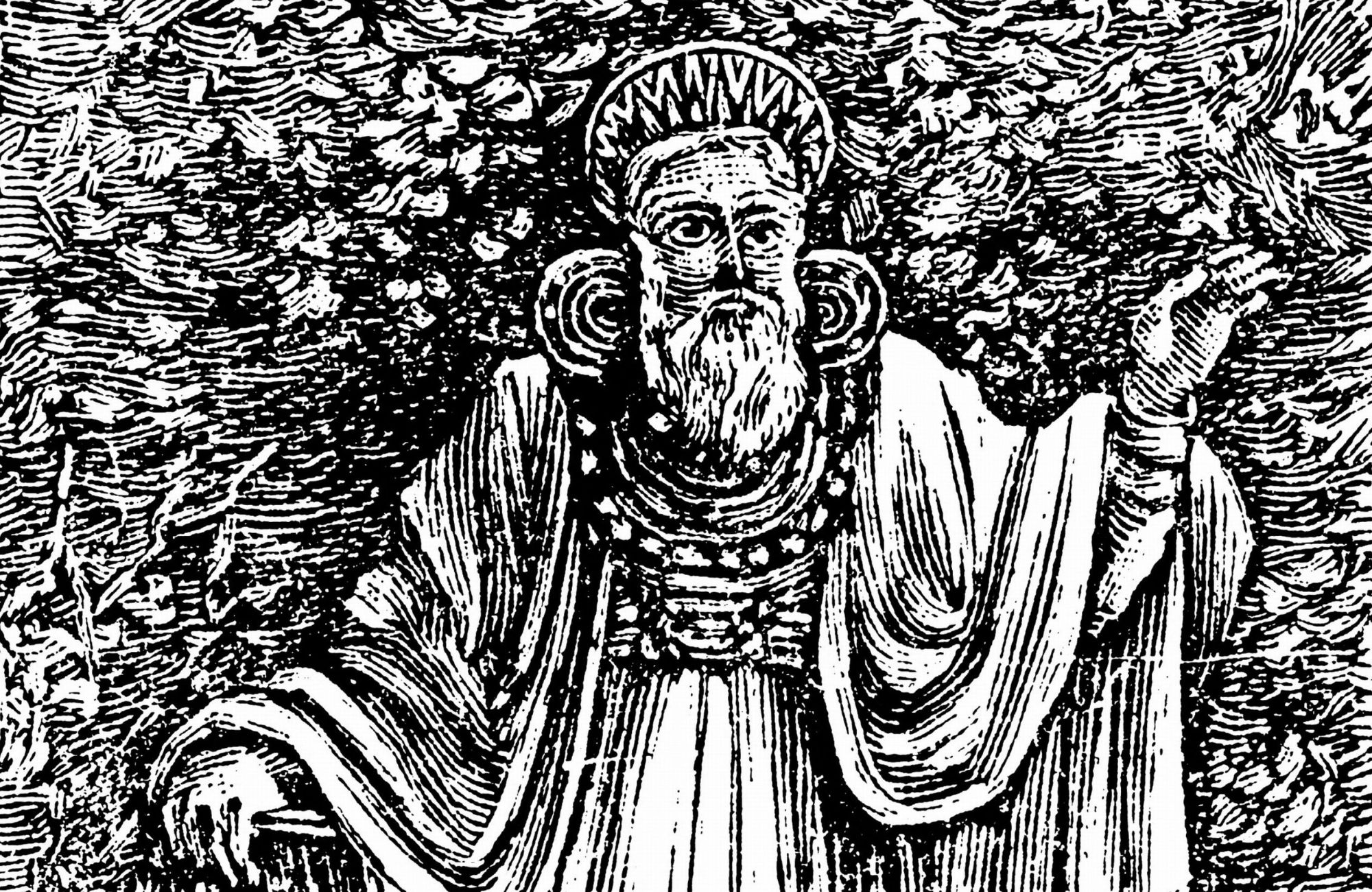
It all began in the 5th century when Ireland was evangelized by a man named Saint Patrick. The period of Ireland’s Christianization lasted less than a century, and by the 6th century, all of Ireland was officially converted to the religion.
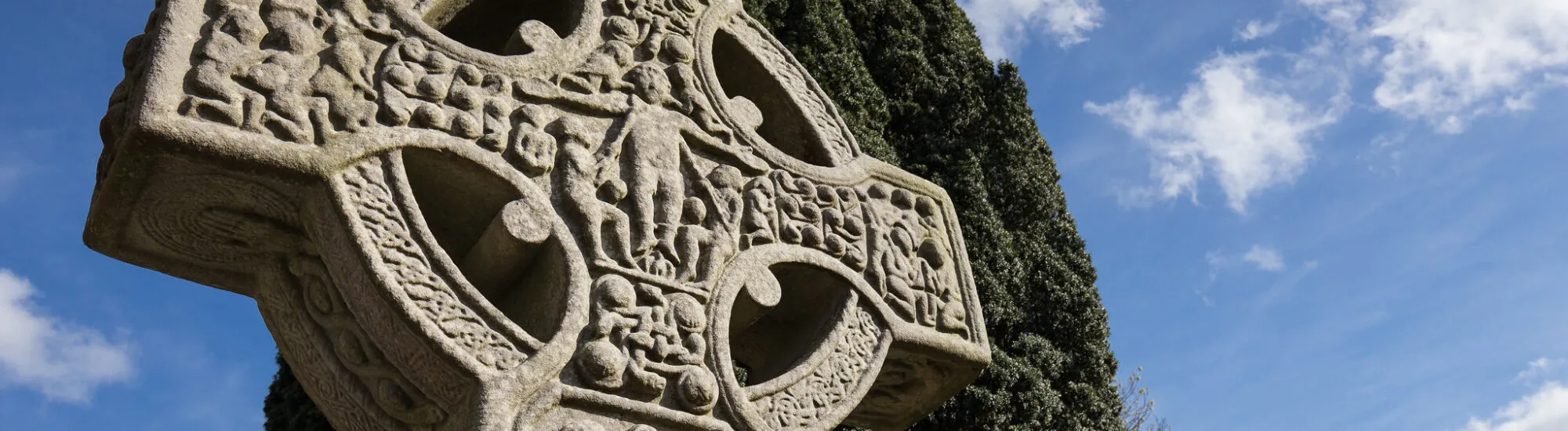
From then on, Ireland saw countless monasteries, churches, and abbeys built, which during the Middle Ages became the epicenters of an unprecedented cultural and religious influence. The monks produced high-quality writings (such as the Book of Kells), learned Latin, and led a simple life, in accordance with religious texts.
The rise of Protestantism in the 16th century
However, following repeated interference from England, Ireland saw in the 16th century the emergence of a new religion, in clear opposition to the Catholic religion: Protestantism.
At that time, Henry VIII, King of England and Ireland, decided to break with the Roman Catholic Church to establish Protestantism and make it a state religion. He then decided to impose it on England, but also on Scotland and Ireland, which was predominantly Catholic at the time. The Irish refused to convert, adding new tensions between the two countries…
These tensions persisted for many centuries, during which British colonists implemented anti-Catholic discrimination policies, depriving Irish Catholics of their civil and social rights… This was compounded by numerous particularly tense political disputes, as well as violent clashes between the two sides.
But the phenomenon is still observed today, particularly in Northern Ireland, a territory under British influence, where many tensions remain current.
In cities like Belfast or Derry, some Catholic and Protestant neighborhoods still clash today, in the name of religion, but also over other issues such as the problematic situation of Northern Ireland, now separated from the Republic of Ireland.
The Catholic religion at the heart of Irish daily life
In Ireland, religion is omnipresent in the lives of the Irish. They regularly attend church and share values sometimes considered conservative, especially on family matters.
Regarding religious practice in general, the Irish habitually attend Sunday mass every week in local churches or parishes. They are often very close to their priest and take the opportunity to have their children baptized, receive communion, etc. The Irish even celebrate Saint Patrick’s Day every March 17th, a national holiday, to commemorate the evangelization of Ireland in the 5th century.
But Ireland is currently experiencing a true renewal. Numerous scandals have marred the image of the Irish church, weakening the faith of the population (due to many cases of sexual abuse and pedophilia committed by Irish priests over the years, deliberately kept silent by the Church of Ireland).
This has allowed the country to make significant progress on much more progressive societal issues.
Starting with the issues of abortion and gay marriage (two controversial subjects, legalized recently. For reference, homosexuality was long considered a crime until the 1980s).
Ireland is currently undergoing a real “crisis of faith,” but manages to reinvent itself while remaining attached to its religious and moral values. A fragile balance, which nevertheless propels the country into a wave of modernity.

 +
+