
Matt Molloy
Matt Molloy is one of Ireland’s most famous traditional musicians. A member of the Chieftains, but also of the Planxty, Matt Molloy…


Matt Molloy is one of Ireland’s most famous traditional musicians. A member of the Chieftains, but also of the Planxty, Matt Molloy…
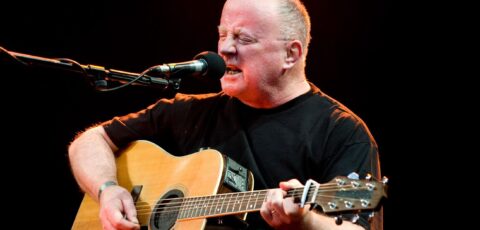
Christy Moore is an Irish folk singer and guitarist. Founder of the Planxty group, he was one of the country’s great musicians…
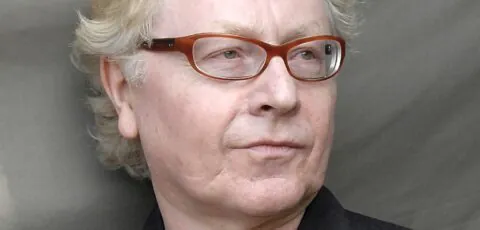
Paul Brady is an Irish musician and singer-songwriter born on May 19, 1947 in Strabane, Northern Ireland. With his intense voice, he…
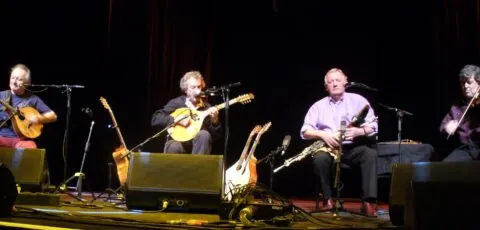
In an Irish music ensemble, the ear naturally follows the fiddle, flute or voice. Dónal Lunny also invited listeners to hear what…
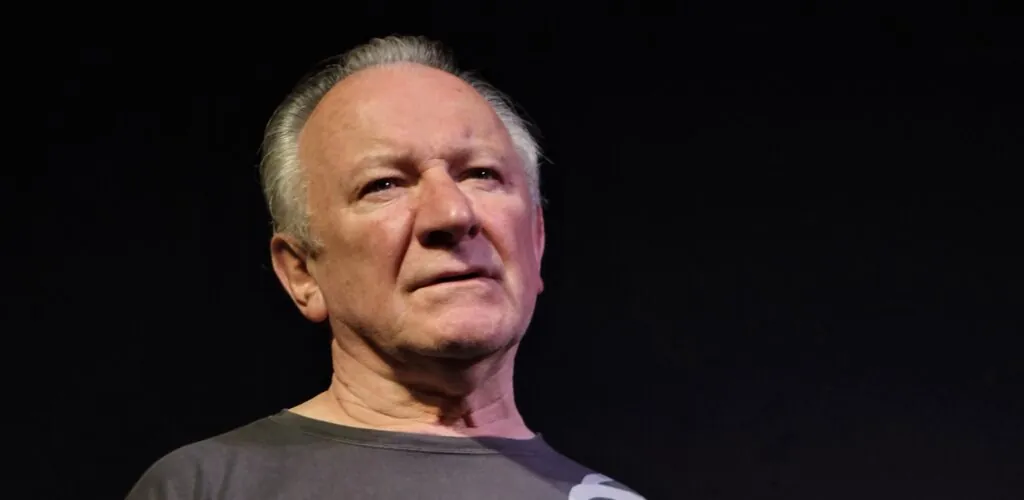
He was not always centre stage, but his playing changed the way others were heard. Beneath a voice or around a fiddle…
World-renowned for their Irish folk music, The Planxty is an Irish band composed of four highly talented musicians. Created in the 1970s, the group brought a new dynamism to Irish music, both in Ireland and beyond the island’s borders.
It all began in 1969 when Christy Moore, an Irish guitarist from County Kildare, wanted to record his first album titled “Paddy on the Road.” Wanting to do even better, he decided to record a second album with three friends:
The four friends then formed the group “CLAD,” a name representing the initials of each member. This name did not last long, and very quickly, the four friends adopted the name Planxty, a term meaning in Gaelic “to the health of…”.
The four musicians aimed to shake up the foundations of traditional Irish music of the 1970s by blending new sounds with traditional instruments. They revived the uilleann pipes (the Irish bagpipes), the bodhrán, and the ensemble of Irish instruments. They mixed in bouzoukis, hurdy-gurdies, and acoustic guitars with wonderfully danceable rhythms to create innovative pieces.
Their first concert took place in Donovan (Co. Galway) and caused an unprecedented success. Very quickly, they were contacted by Polydor Records, a record label that offered them an exclusive contract of £30,000 to record six albums.
The Planxty then got to work and recorded successively “Prosperous,” “Planxty – The Black Album,” “The Well Below the Valley,” and finally “Cold Blow & the Rainy Night.” Each album was received with the same success as their first live performance in Donovan.
January 1979 marked the start of the group’s largest tour. It ended on June 11 at Dublin Stadium after crossing eight countries in 54 concerts.
However, Christy Moore was not attracted by the pace of touring, finding it too exhausting and too profit-oriented. (Christy Moore is an idealist and did not like “filling up with fans and money” as he would later say). He decided to leave the group in 1975.
Paul Brady, a talented singer and guitarist, then volunteered to replace him. The group recorded three more albums: “After the Break,” “The Woman I Loved So Well,” and “Words & Music.” After a brief tour, the group voted to disband shortly after in 2004…

