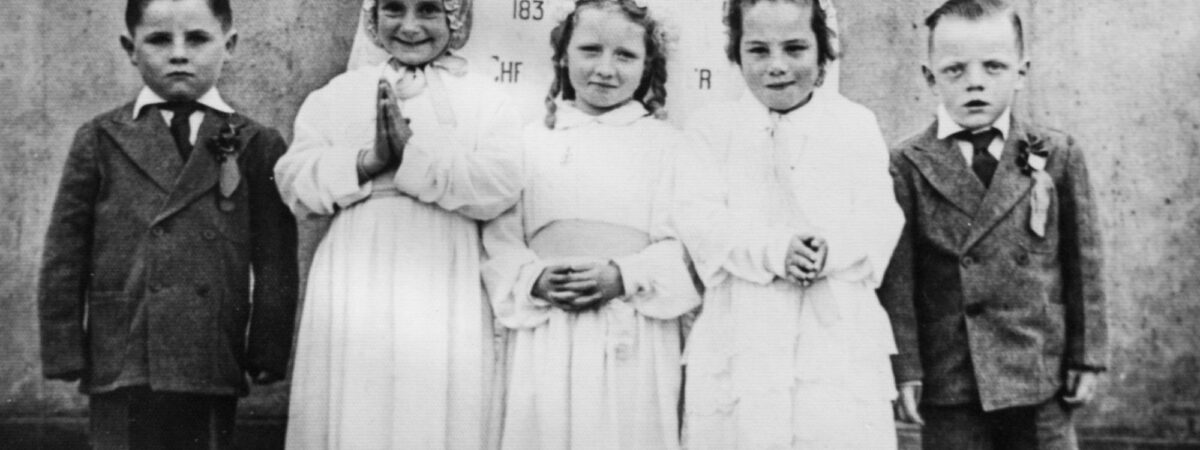
In Tuam, County Galway, history keeps rising back to the surface. The recent uncovering of a new area containing the remains of children — potentially linked to the former Mother and Baby Home run by the Bon Secours sisters — has revived one of Ireland’s most painful contemporary cases.
This institution, active from 1925 to 1961, housed unmarried mothers and their children, often in extremely harsh conditions. Previous investigations had already confirmed the presence of many infant remains buried in an undignified manner. The latest discovery adds yet another layer of sorrow and unanswered questions.
For months, forensic archaeology experts have been conducting geophysical surveys and targeted excavations to map out high-risk areas on the site. It was during this process that a previously overlooked section revealed unusual anomalies.
Once the ground was opened, teams found what appears to be an additional cluster of makeshift burial chambers. Their size and arrangement indicate a continuation of the burial system uncovered in earlier phases rather than a separate location.
Early indicators suggest that the remains belong to very young children — infants or newborns. DNA and precise dating analyses are only just beginning.
It is still unclear whether these burials correspond to periods already investigated or whether they will expose new episodes of infant mortality. The most plausible scenario is that this area forms part of the same improvised burial network created at the time to compensate for a lack of proper facilities or, tragically, a lack of regard.
Each new find adds a crucial piece to a national puzzle that is still incomplete. For affected families, this newly identified area may represent the resting place of a lost child. For researchers and authorities, it provides a clearer understanding of what really happened within the institution’s walls.
This discovery also plays a key role in acknowledging the injustices endured by unmarried mothers — long stigmatized — and by their children, who were often separated, neglected or poorly cared for. Ireland has been engaged for years in a deep process of remembrance, and this announcement shows that the wounds remain tender.
Emotion is running high in Tuam and throughout the country. Survivor groups and descendants are calling for greater transparency — and above all, greater speed — in dealing with the site.
Authorities state that a new phase of extended excavation will begin, conducted with respect, scientific rigor, and close consultation with families.
The discovery is reigniting public debate on the practices of religious institutions in the 20th century and on the need for permanent memorial spaces to offer dignified burials for each identified child.
The next steps include continued excavations, scientific analysis of the remains, and likely new exhumation phases. The Irish government has reiterated its commitment to identifying each child and providing a dignified burial — a process expected to span several years.
Although answers may take time, the path is clear: shed light on the truth, support families, and embed this history firmly within the nation’s collective memory.










 More news