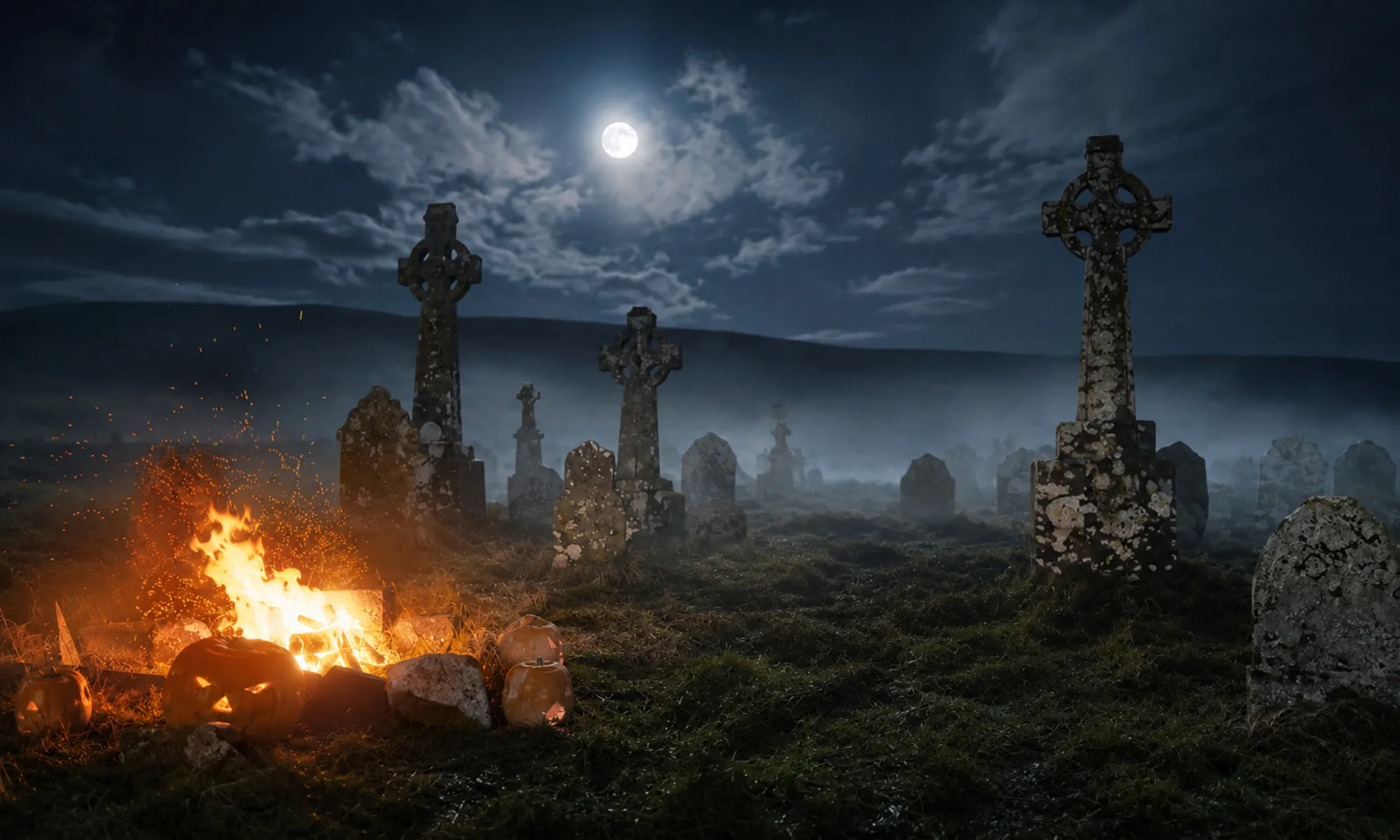
Halloween has a particular resonance in Ireland. Long before illuminated pumpkins, mass-produced costumes and themed parties, the end of October corresponded to Samhain, one of the major seasonal occasions in the Gaelic calendar. This period marked the end of the harvest and the beginning of the dark half of the year.
The night before 1 November was surrounded by beliefs, stories and precautions. Spirits were thought to roam the countryside, the dead could symbolically find their way back home, and certain places associated with the supernatural world were carefully avoided.
These traditions have evolved over the centuries, mingling with the Christian celebrations of All Saints’ Day and All Souls’ Day, and later with influences from North America. Today, Halloween in Ireland still combines folklore, costumes, food, ghost stories and major popular festivals.
The origins of Halloween in Ireland
Samhain, the transition to the dark season
The Irish word Samhain refers to the month of November as well as to the ancient festival marking the beginning of winter. It is pronounced roughly “sow-in”, although this varies according to Irish regions and dialects.
Samhain was one of the four major seasonal markers in the Gaelic calendar. Imbolc heralded the beginning of spring, Bealtaine that of summer, Lughnasa opened the harvest season, and Samhain marked the arrival of winter.
It would, however, be unwise to assign this festival a founding date as precise as 500 BC. Current knowledge comes from archaeological sources, medieval texts written long after the Christianisation of Ireland, and folklore traditions collected much more recently. These accounts help us understand the importance of Samhain, but not reconstruct each of its rituals with certainty.
The festival was traditionally associated with 1 November, even though celebrations began on the preceding evening. This way of counting days, from nightfall to the following nightfall, explains why 31 October still holds a central place today.
Samhain and the spirit world
A night between two worlds
In the Irish imagination, Samhain represented a time of transition. Summer had ended, the harvest had been brought in, and the long winter nights were beginning. As is often the case in folklore, this passage from one season to another was considered a time when the usual order of the world became more fragile.
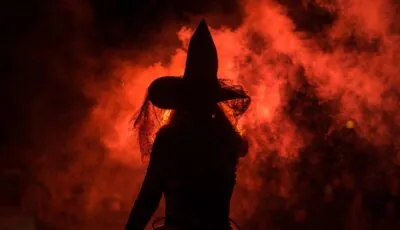
The spirits of the dead were believed to be able to return to family homes. Other, less benevolent creatures were also said to roam the roads and countryside. Travellers avoided venturing out alone at night, while ringforts, isolated trees and hills associated with the fairy folk inspired particular caution.
This interpretation is more nuanced than that of an alleged “God of Death” releasing the dead for a few hours. Such a deity does not correspond to a clearly documented Irish tradition. Samhain should instead be understood as a liminal period, symbolically situated between the old and the new, light and darkness, the visible world and the Otherworld.
The fires of Samhain
Flames associated with renewal and protection
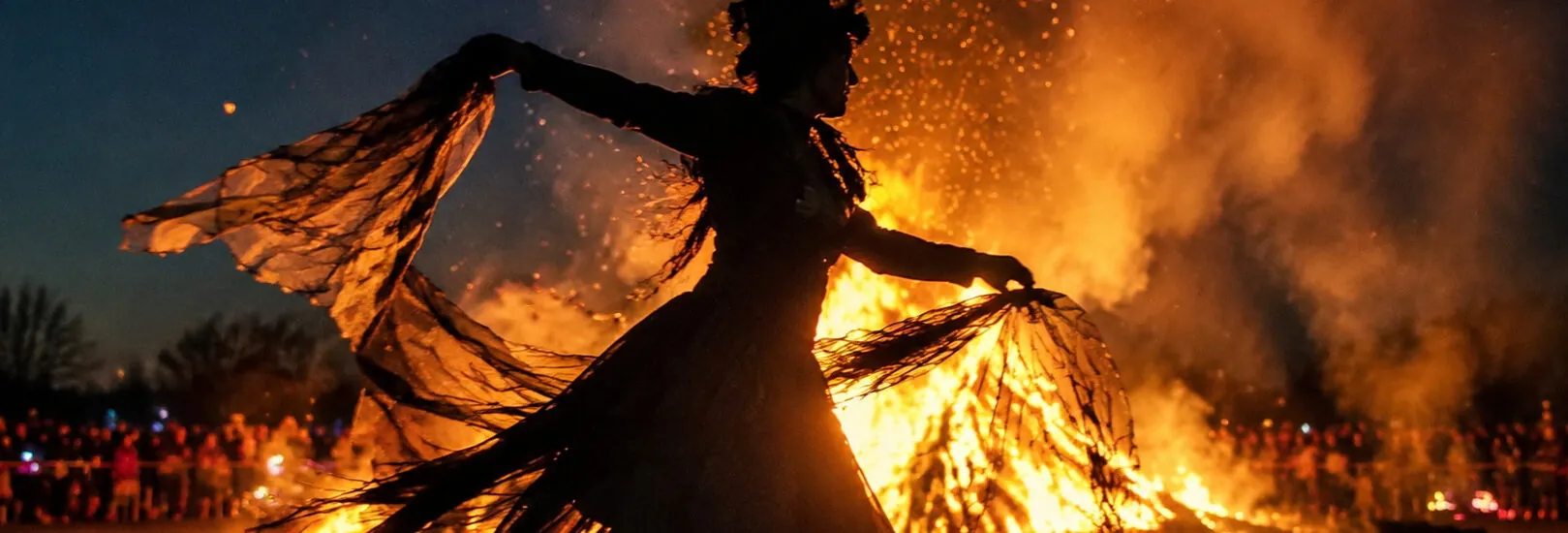
Fire held an important place in several Irish seasonal traditions. Later accounts notably associate Samhain with the lighting of large ceremonial fires on hills.
The hill of Tlachtga, now called the Hill of Ward, in County Meath, is frequently presented as one of the major gathering places linked to Samhain. Archaeological research conducted at the site confirms its antiquity and importance, without making it possible to verify all the rituals described in texts written several centuries later.
Some traditions recount that domestic fires were extinguished before being relit from a communal flame. The gesture symbolised the renewal of the household and the protection of the community at the beginning of winter. However, historically established practices should be distinguished from modern reconstructions sometimes presented as certainties.
Irish Halloween traditions
Carved turnips, costumes and divination games
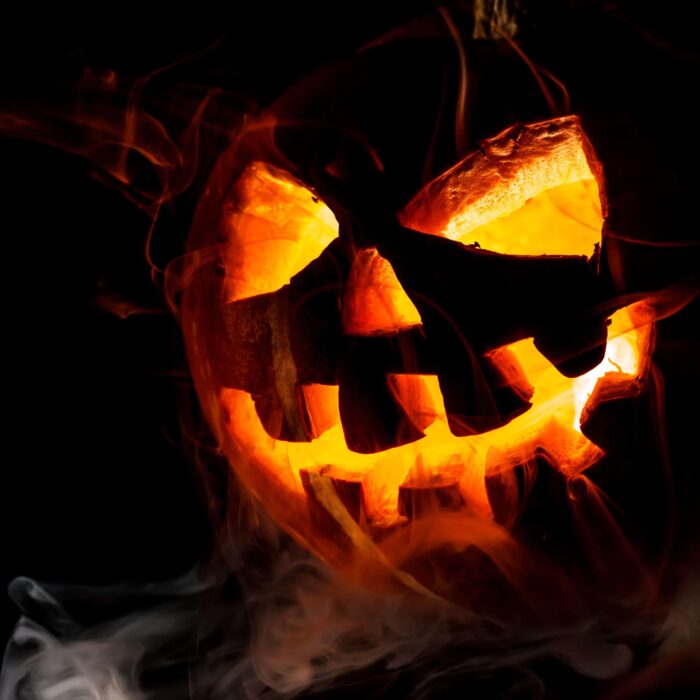
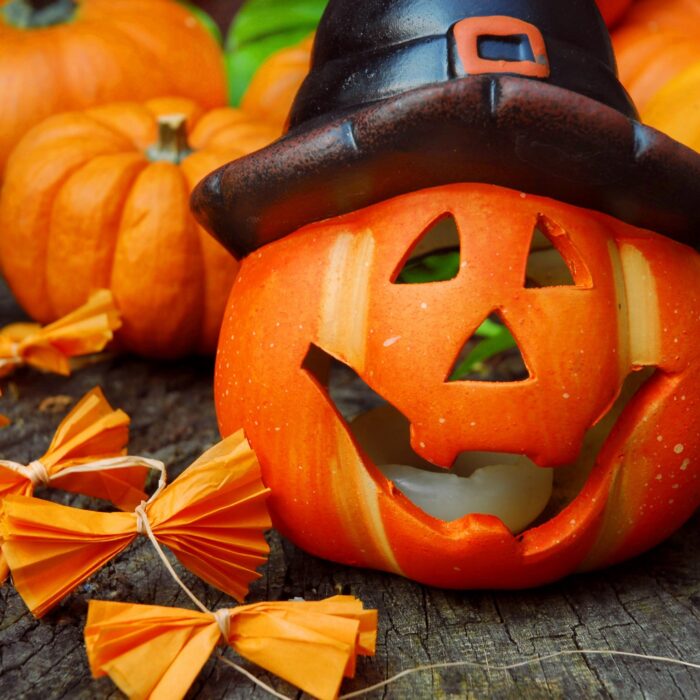
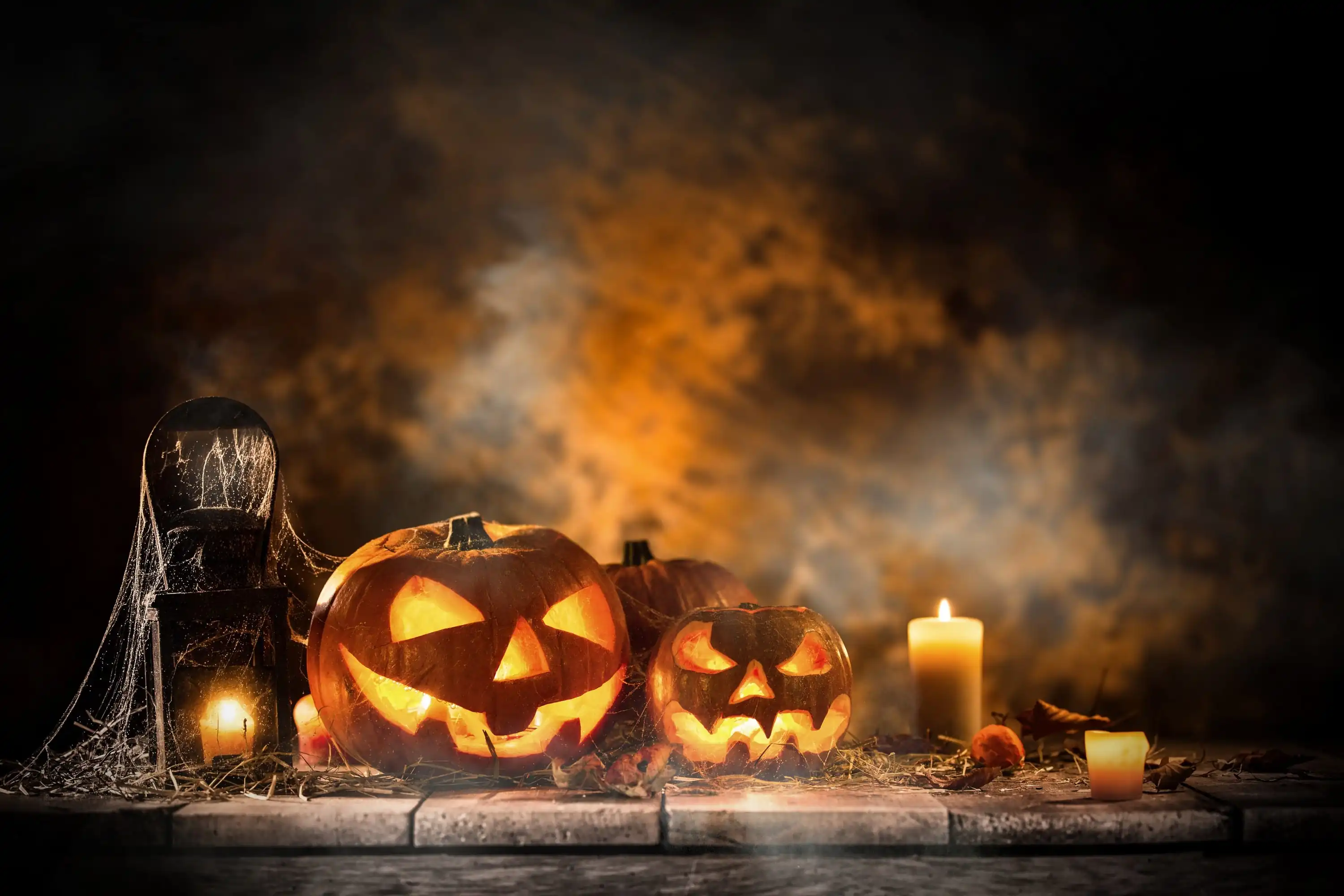
Many contemporary customs echo Irish folklore. Long before the pumpkin became Halloween’s great symbol, the Irish carved turnips. A candle was placed inside these lanterns with frightening faces, which were used to scare neighbours or decorate windows.
The Jack-o’-lantern is also associated with the legend of Stingy Jack, a character condemned to wander between heaven and hell with only an ember to light his way. When Irish and Scottish traditions crossed the Atlantic, American pumpkins, which were larger and easier to carve, gradually replaced turnips.
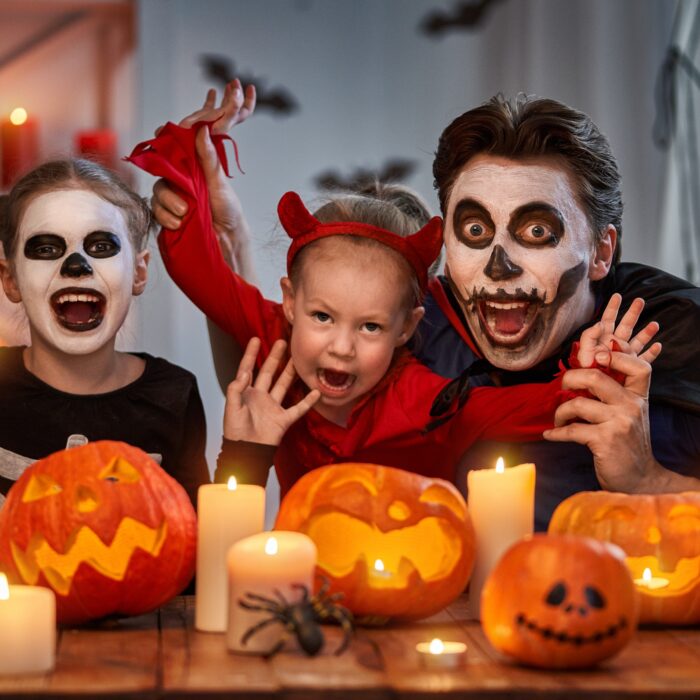
Costumes are no more a recent invention. Groups of masked children or adults once went from house to house, playing tricks, reciting texts or putting on small performances. These practices are considered one of the ancestors of the famous trick or treat.
Games involving apples, nuts and hidden objects were also used to predict marriage, prosperity or the participants’ future. Apple bobbing and the apple suspended from a string are thus documented in different Irish regions.
What is eaten at Halloween in Ireland?
A celebration centred on traditional dishes
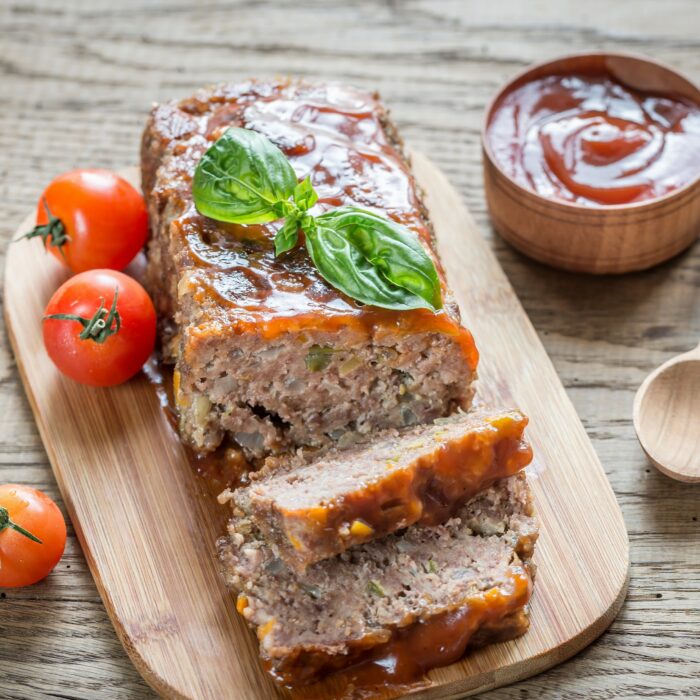
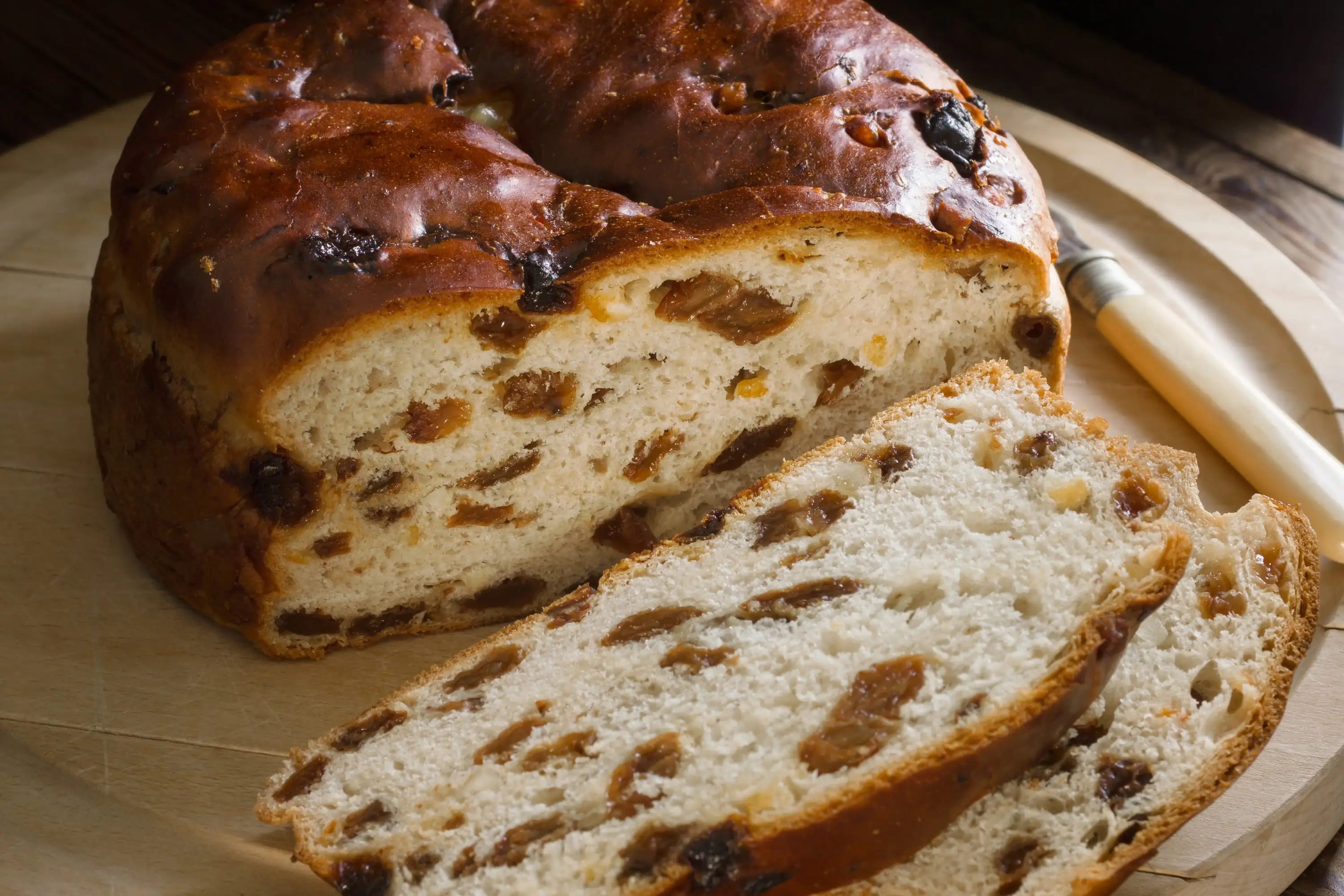
Halloween also has its culinary specialities. Barmbrack, or báirín breac, is a fruit bread in which a ring is traditionally hidden. The person who finds it in their slice is said to be the next to marry.
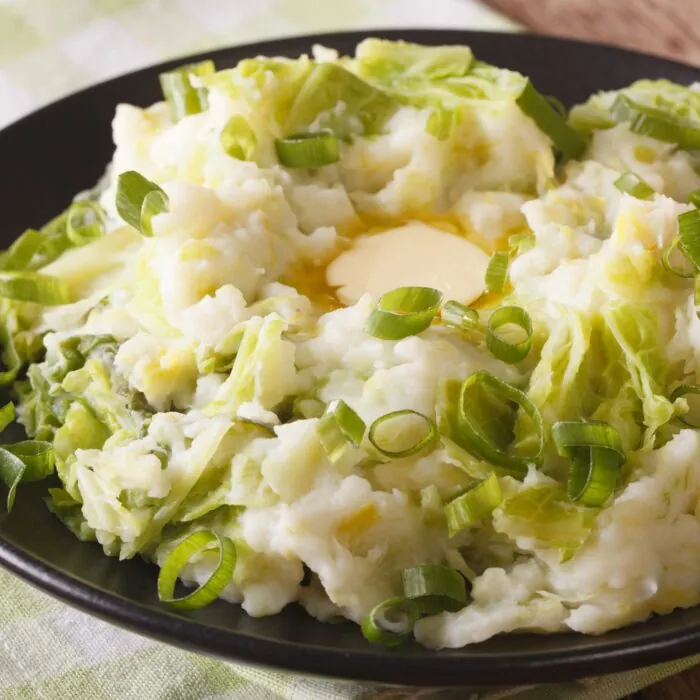
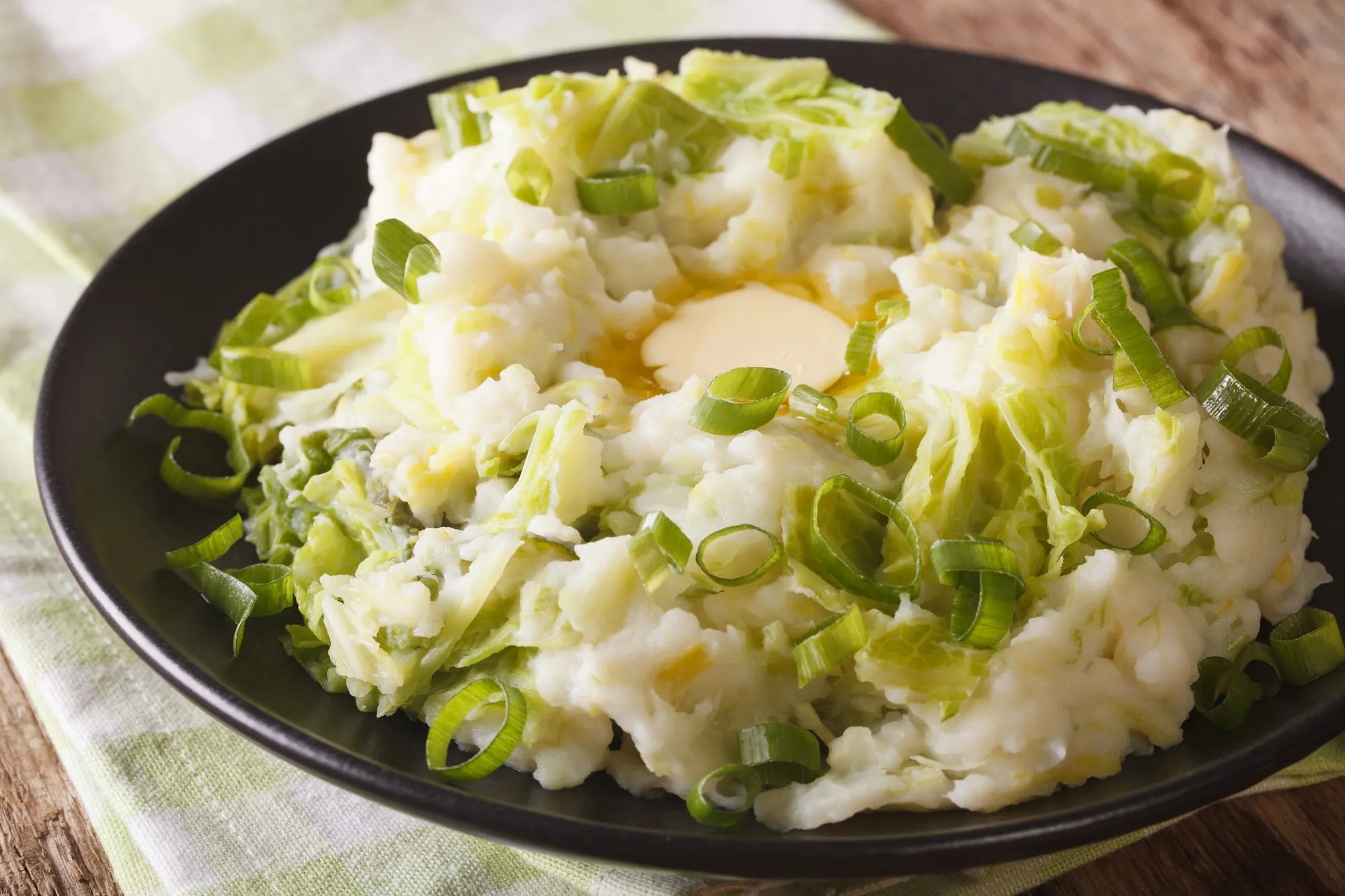
Colcannon, mashed potatoes mixed with cabbage, butter and sometimes spring onions, was also served during this period. Various objects could once be hidden in the dish to predict the future, a practice now largely abandoned for obvious safety reasons.
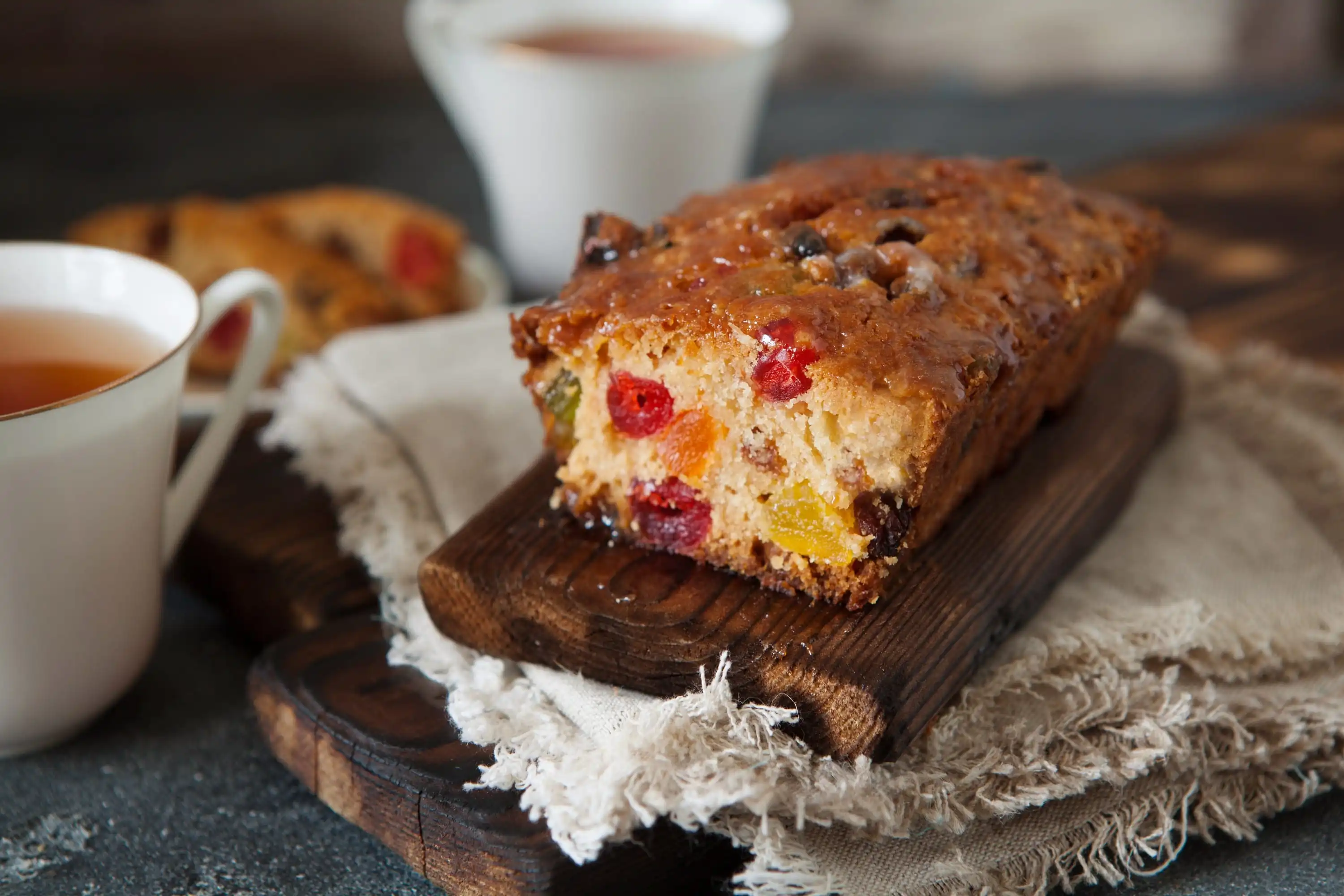
Apples, walnuts, hazelnuts, boxty and cakes completed the meals. These foods directly recalled the end of the harvest and the beginning of a season when supplies built up during autumn became essential.
How did Samhain become Halloween?
A gradual transformation rather than a break
Christianisation did not make Samhain disappear overnight. Seasonal customs gradually coexisted with All Saints’ Day, celebrated on 1 November, and the commemoration of the faithful departed, set on 2 November.
The word “Halloween” comes from the English expression All Hallows’ Eve, meaning the eve of All Saints’ Day. Over time, popular beliefs, the Christian calendar and community traditions became intertwined.
In the 19th century, the mass emigration of Irish and Scottish populations to North America, notably during and after the Great Famine, helped spread these customs. Halloween then evolved in the United States before returning to Europe in a more commercial form, dominated by pumpkins, sweets and popular culture.
Celebrating Halloween in Ireland today
Ancient traditions turned into major spectacles
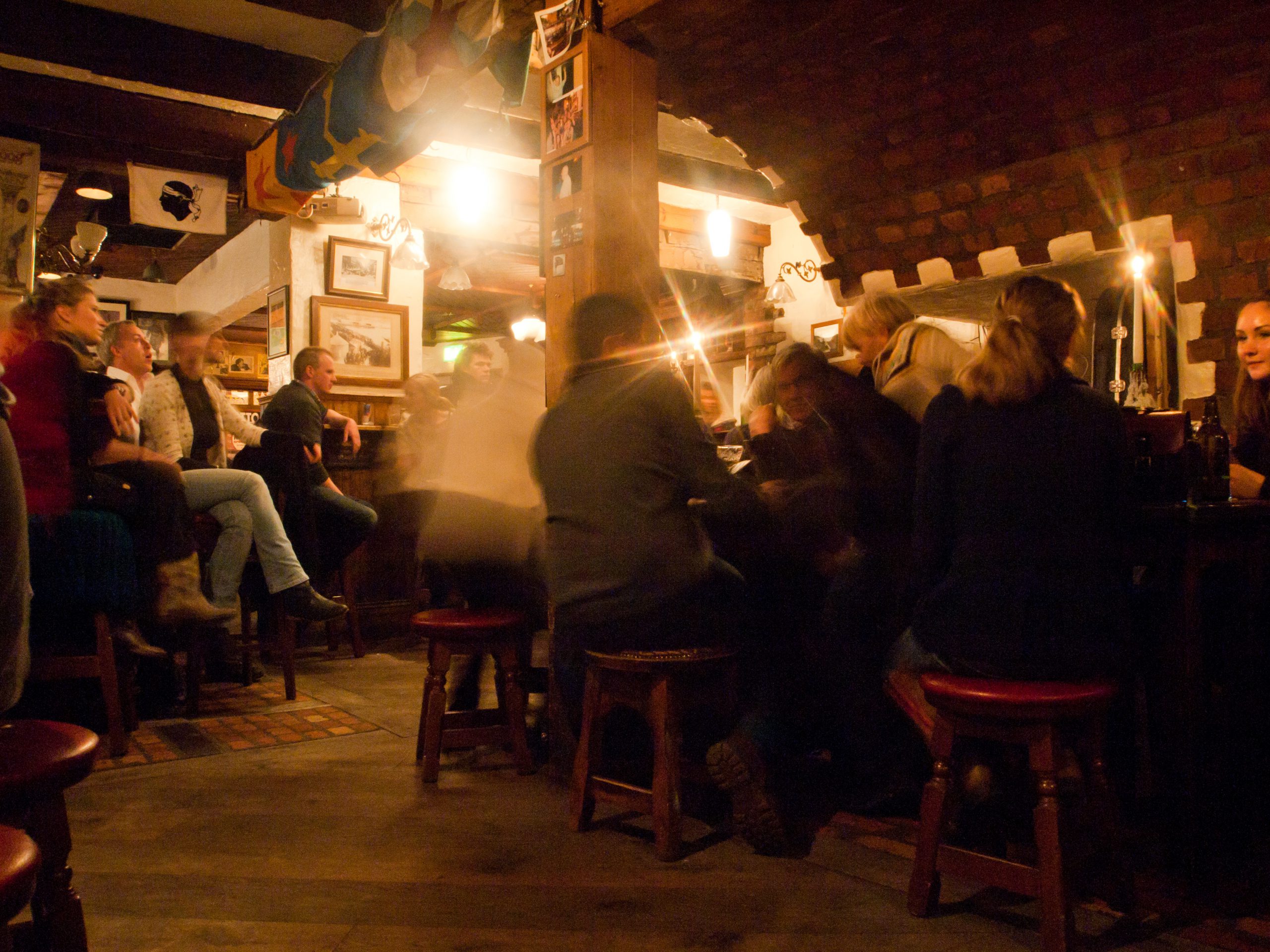
On the evening of 31 October, Irish children dress up and go around their neighbourhood asking for sweets. Houses are covered with decorations, pumpkins light up windows, and pubs host costume parties.
Ireland nevertheless retains a visible link with the heritage of Samhain. Tales, creatures from folklore, fires and street performances play an important role in contemporary events.
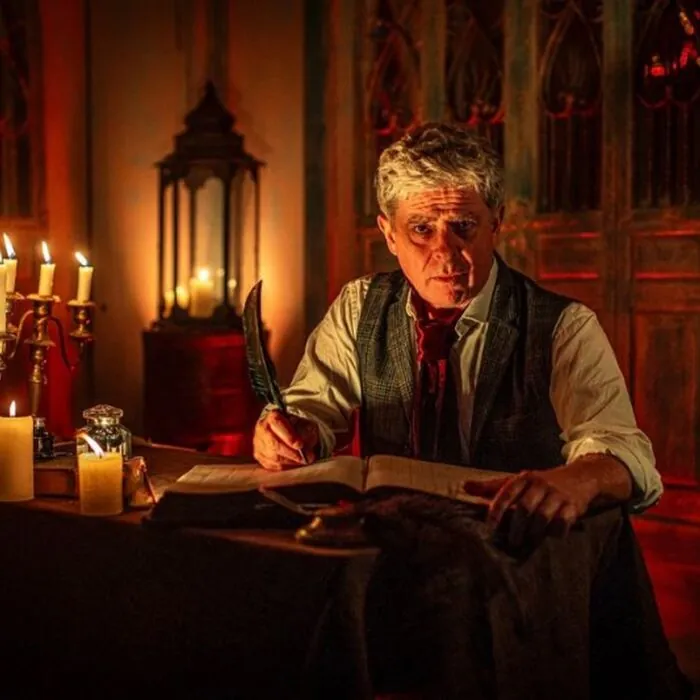
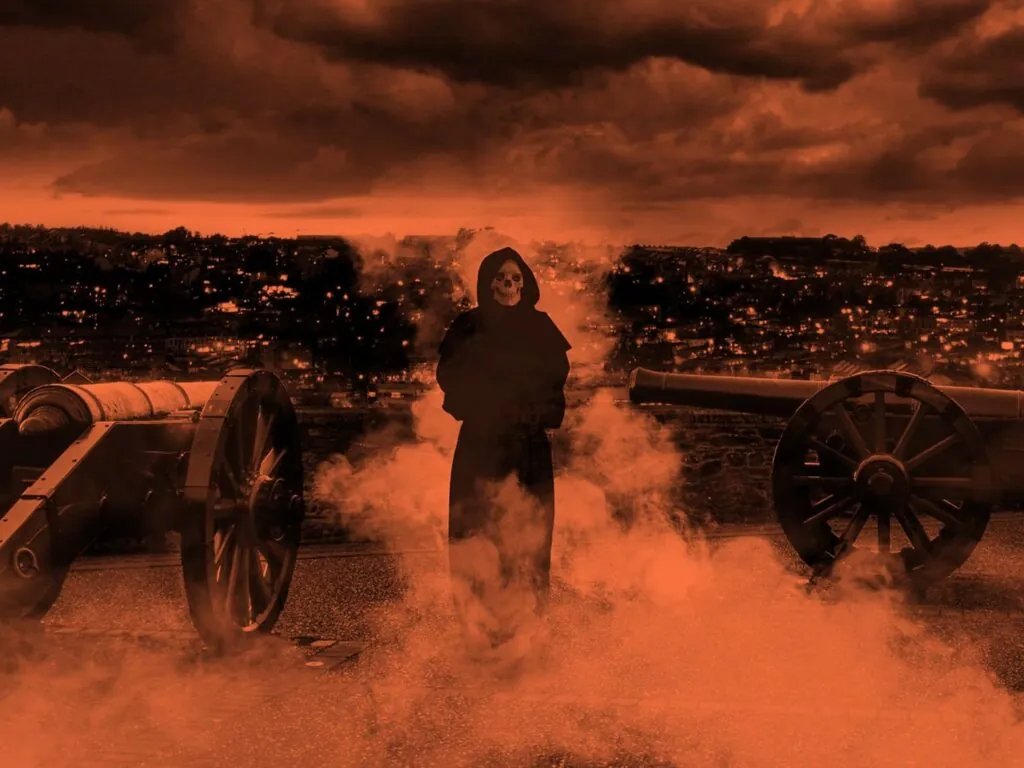
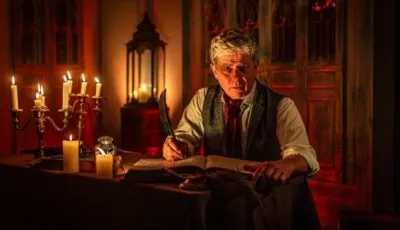
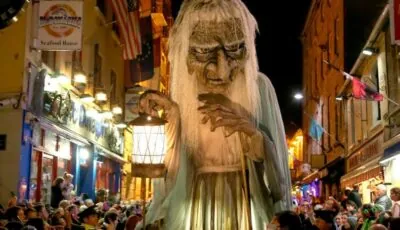
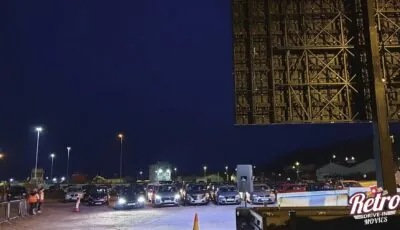
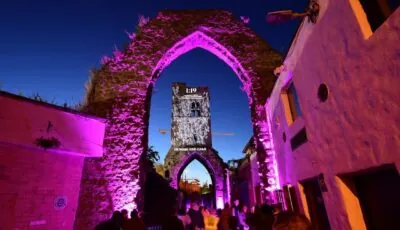
Derry hosts one of the country’s biggest celebrations, while Galway is transformed by the arrival of Macnas’s monumental puppets. The Púca Festival, held in County Meath, reclaims the stories of Samhain, while Dublin explores a more Gothic vein with the Bram Stoker Festival.
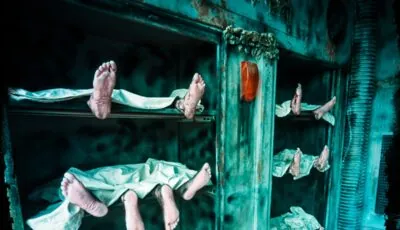
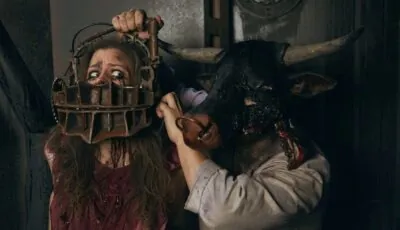
Thrill-seekers can also discover immersive experiences such as Farmaphobia. Behind their modern settings remains a deeply Irish idea: as winter approaches, the night is the ideal territory for telling stories and allowing the creatures of the Otherworld to return.
For a deeper look at historical customs, the National Museum of Ireland notably holds masks, protective crosses and a remarkable carved turnip from the Irish folklore collections.

 +
+