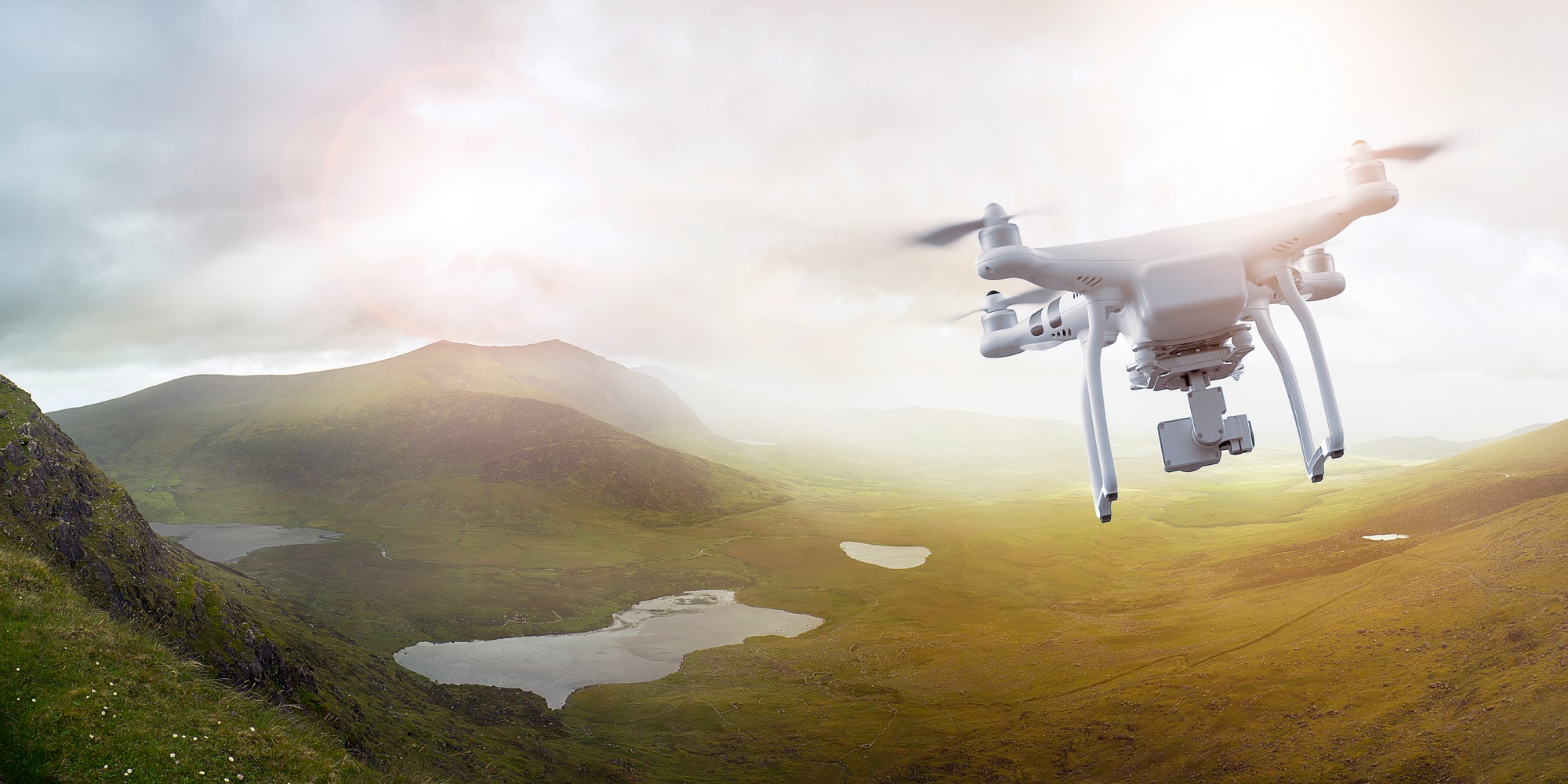
Have you ever imagined capturing the raw beauty of the Cliffs of Moher or the green hues of the Irish hills with your drone? You’re not the only one. If you’d like to explore Ireland with your own drone, there are a few rules and regulations you should be aware of.
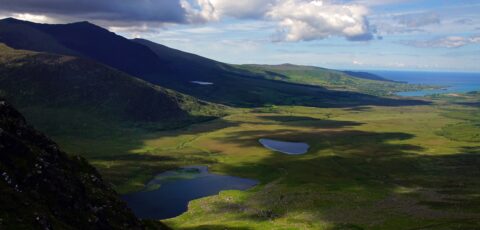
Aerial view of Loop Head – © Peter Krocka
Ireland has fairly strict regulations governing the use of drones. The Irish Aviation Authority (IAA) is the body that governs these rules. Here are some key points to remember:
It’s crucial to know where you can and can’t fly your drone. Areas near airports, military installations and densely populated urban areas are generally off-limits.
What’s more, some tourist sites may have their own restrictions. So it’s always a good idea to check in advance. And don’t hesitate to ask for information once you’re on site: it’ll save you a hefty fine!
Third-party insurance is strongly recommended when flying a drone in Ireland. In the event of an accident, this could save you from complicated situations.
Each airline has its own rules for transporting drones. It is therefore essential to check this information before booking your flight. Some carriers may have specific restrictions or require prior authorization.
Irish rain in County Kerry – © Eimantas
Ah, the Irish weather! She’s as unpredictable as she is fascinating. One moment you could be enjoying the sunshine, the next you could be in the pouring rain. If you’re planning to use a drone in Ireland, it’s crucial to understand the risks associated with the region’s capricious weather.
Indeed, Ireland is well known for its strong winds, especially near the coast. Strong winds can quickly destabilize your drone, making it difficult to control and increasing the risk of a crash. What’s more, sudden gusts can occur without warning, which can be particularly dangerous if you’re flying your drone at high altitude.
Rain is another meteorological factor to be taken into account. Not only can it affect visibility, but it can also damage your drone’s electronic components. Although some high-end drones are designed to withstand water, it’s generally advisable to avoid flying your drone in the rain.
Finally, fog is quite common in Ireland, especially during the autumn and winter months. Reduced visibility can make piloting your drone dangerous, as it becomes difficult to see and steer correctly. Fog can also affect your drone’s sensors, leading to erratic operation.
So, are you ready to capture the magic of Ireland from the sky?