 +
+
Explore County Fermanagh
Tourist attractions
 Tourist attractions
 Irish Restaurants and Pubs
 Partner Accommodations
 Campgrounds and Lodging
County Fermanagh : Must-See Attractions
+
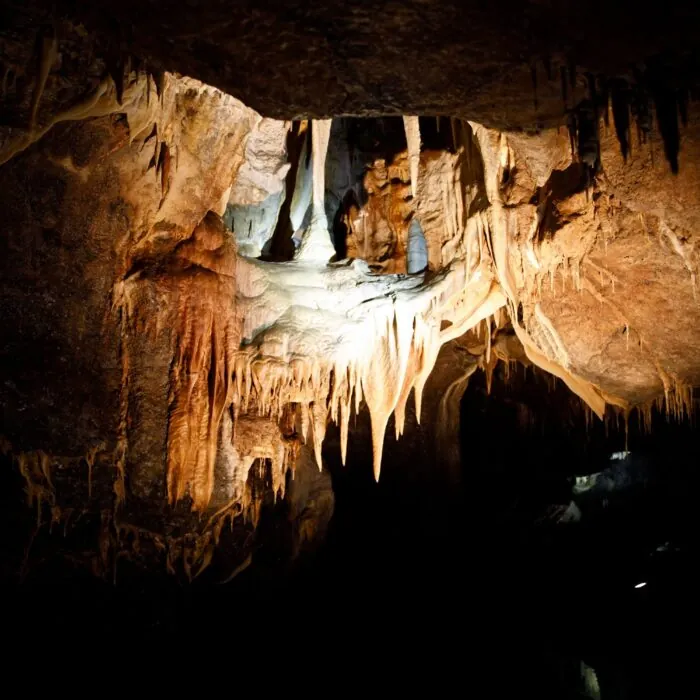
The Marble Arch Caves
The Marble Arch Caves are one of Northern Ireland's most imposing caves! Located in Enniskillen, it offers miles of underground galleries!
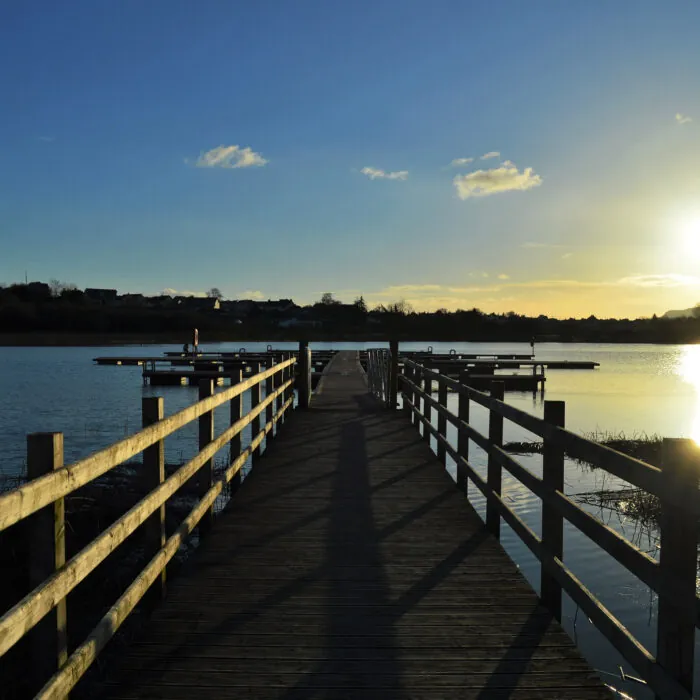
Lough Erne
An Irish river much appreciated for its rustic landscapes, and the richness of its waters in fish! A real HQ for budding anglers in search of tranquillity and beautiful views of the Irish countryside!
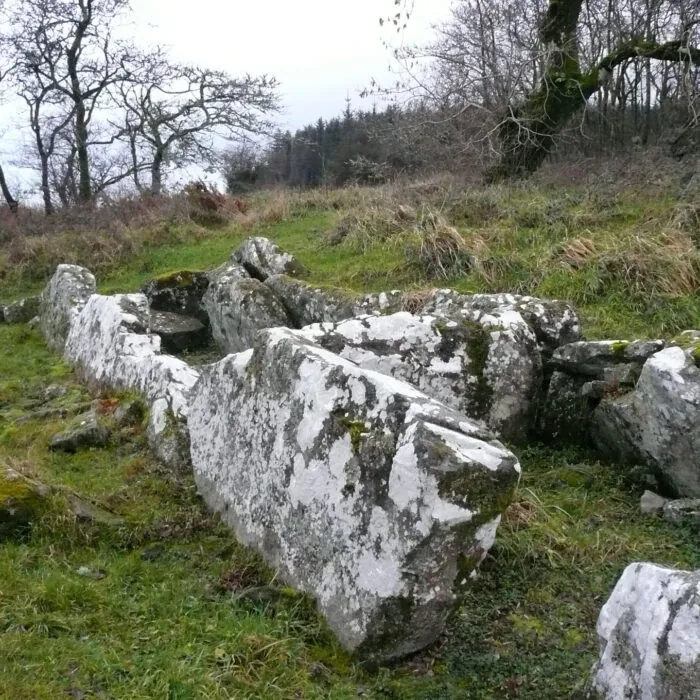
Aghanaglack
Don't let the strange name fool you! Aghanaglack is a superb archaeological site in County Fermanagh, set deep in the forest on the site of an ancient peat bog!
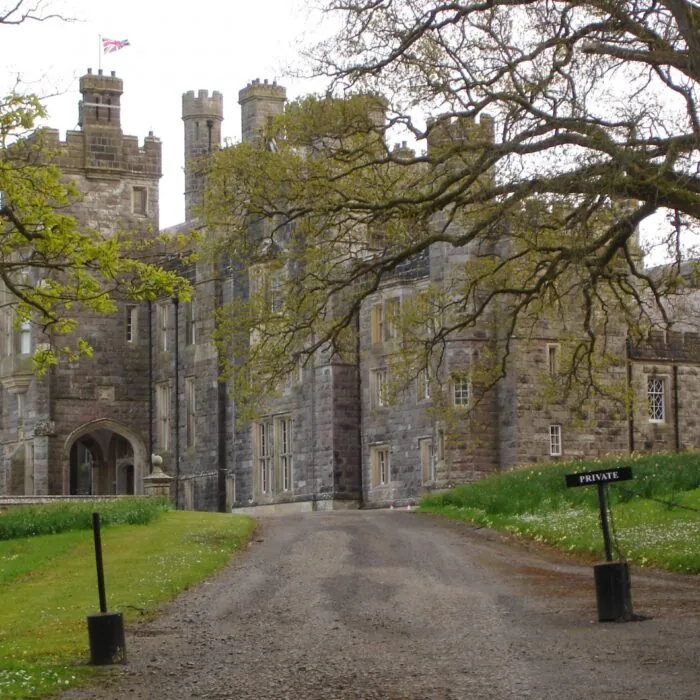
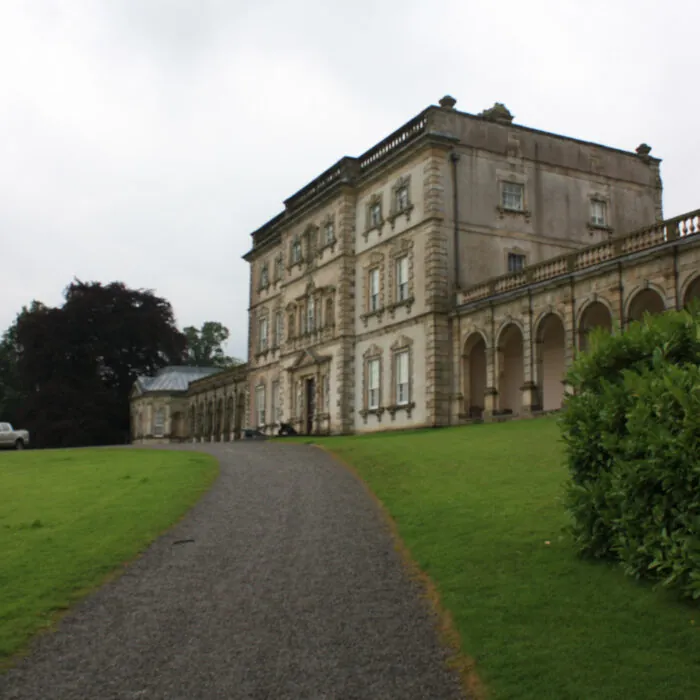
Crom Castle
Crom Castle is a Victorian castle in County Fermanagh. Built in 1820, it is set in a magnificent estate and is one of the region's local sights!
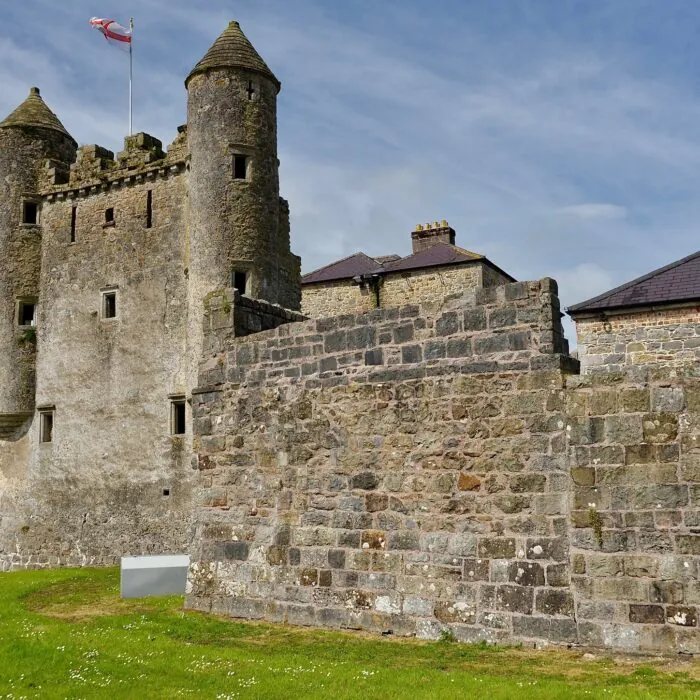
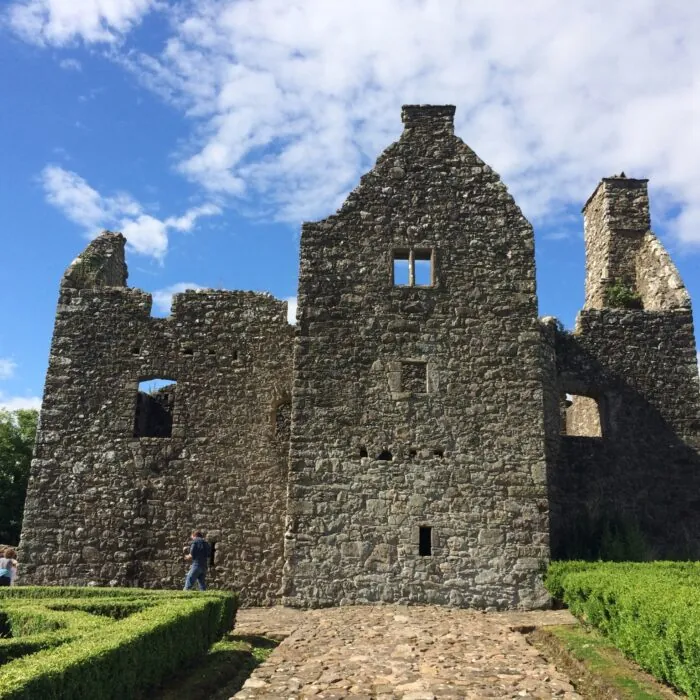
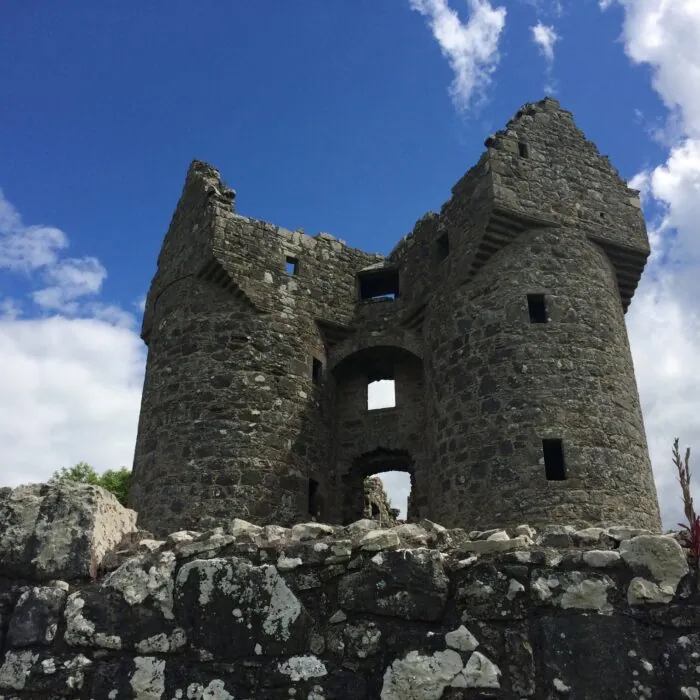
Enniskillen Castle
Here's a princess castle worthy of a child's fairy tale! Its architecture is unique in Ireland!