Howth Castle
Howth Castle is an Irish castle in County Dublin. Built in the 14th century, the castle overlooks Dublin Bay and is open…


 Tourist attractions
 Irish Restaurants and Pubs
 Partner Accommodations
 Campgrounds and Lodging
Howth Castle is an Irish castle in County Dublin. Built in the 14th century, the castle overlooks Dublin Bay and is open…
The Howth Cliff Path is a hiking trail that takes in the best of the Howth Peninsula (Co. Dublin). Over a distance…
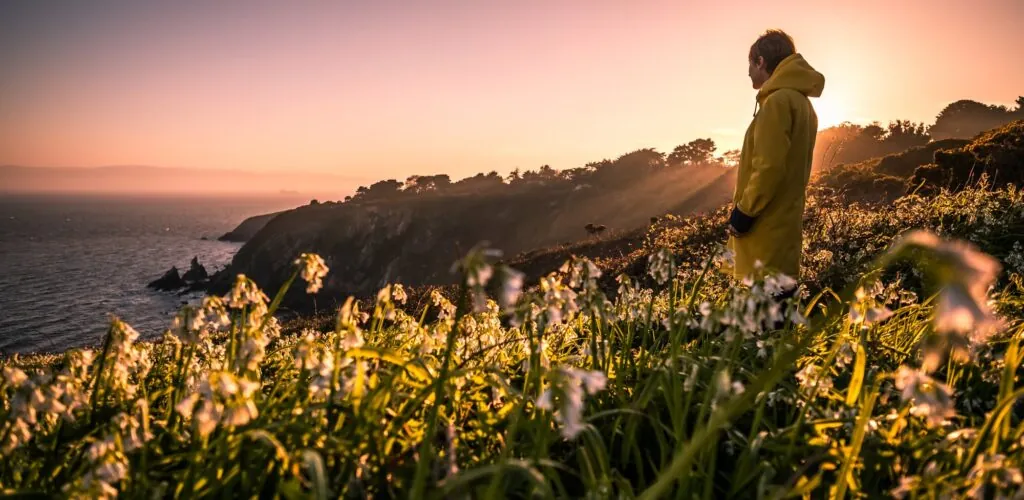
Howth Head is a small peninsula belonging to the village of Howth in County Dublin. We love its seascapes, with micro-cliffs, lush…
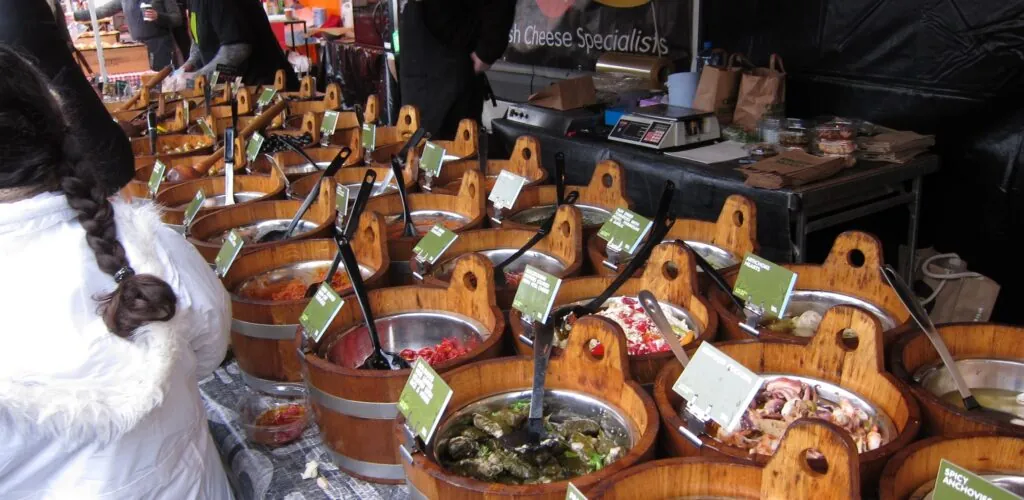
If you like fun, friendly and welcoming markets, don't miss the Howth Market, a lovely weekly market held every weekend in the…
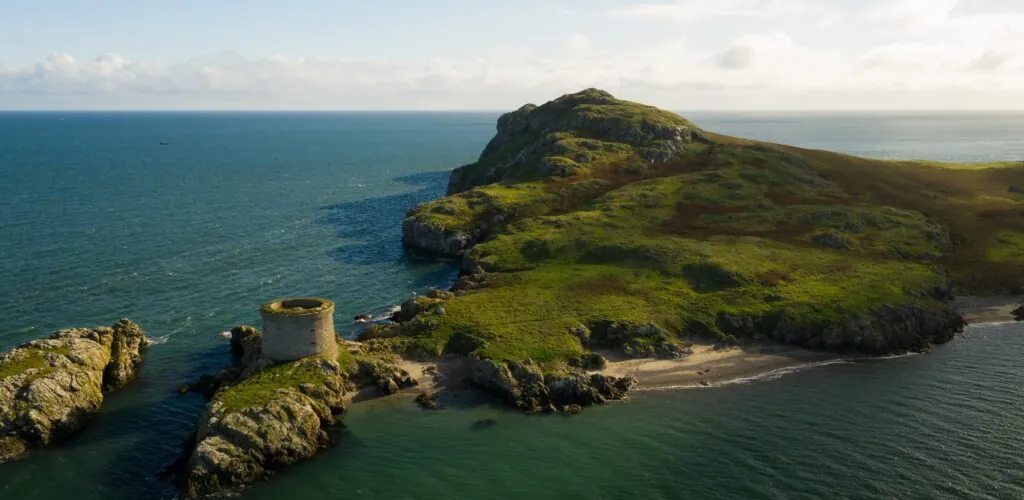
Ireland's Eye is a deserted island off the coast of County Dublin. It's a beautiful area with lots to do, from heritage…
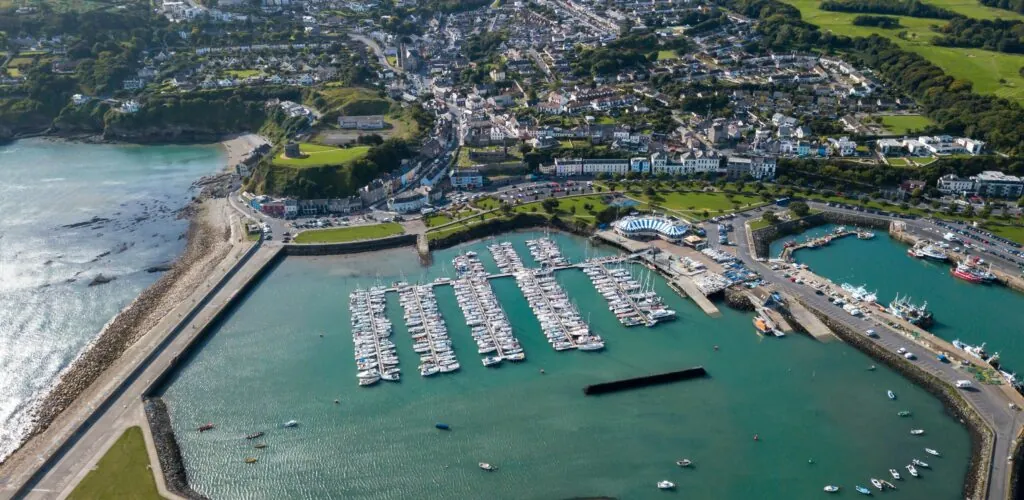
Howth Harbour is one of the liveliest spots in the village of Howth. It has to be said that the village lives…
St Mary’s Church is an old ruined church and one of the must-see sights in Howth. Splendid ruins that should fill you…
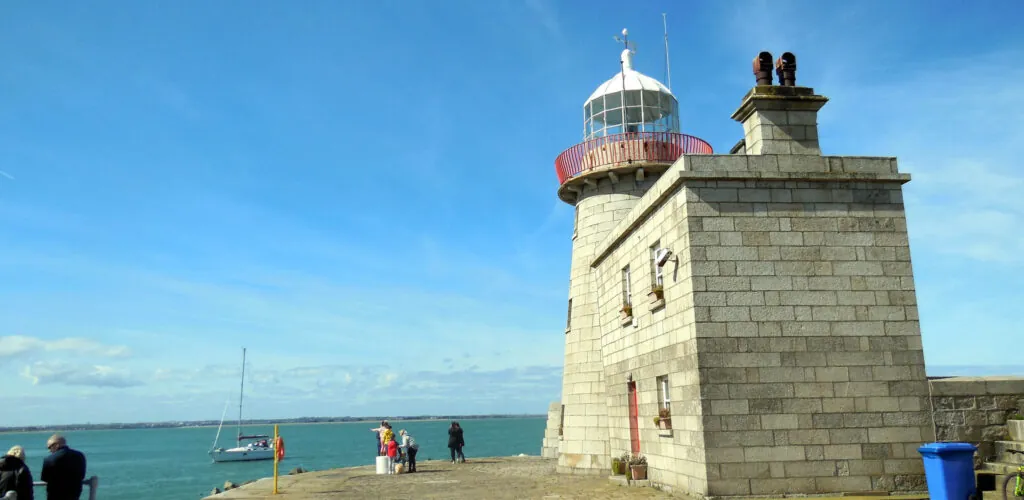
Howth Lighthouse is a pretty lighthouse in the village of Howth. Still in operation, it has a nice charm, and every night…
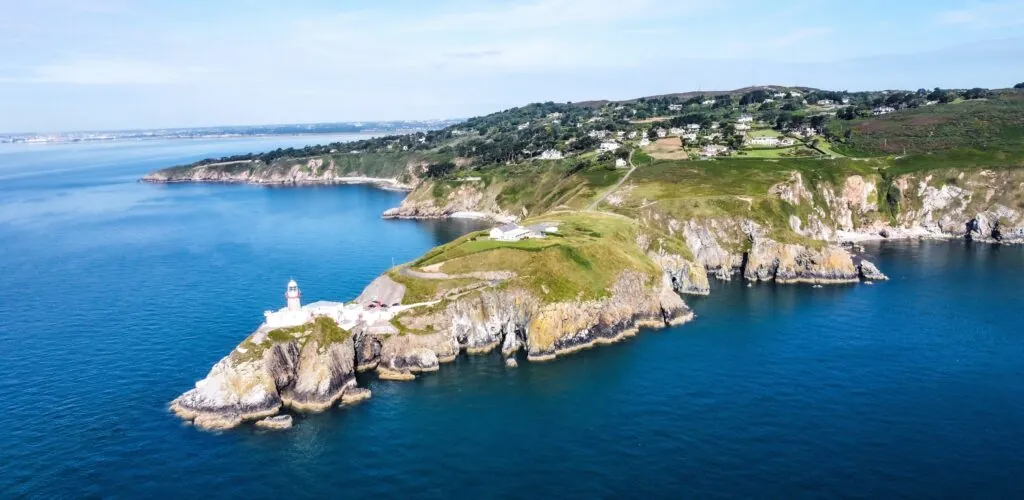
Baily Lighthouse is a second lighthouse belonging to the village of Howth. Magnificently set on a rocky, verdant outcrop, its mission is…
Claremont beach is in the village of Howth (Co. Dublin). Located almost behind the station, it’s a great place to relax with…
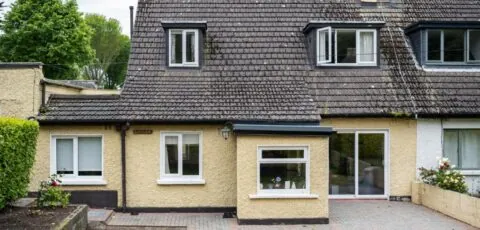
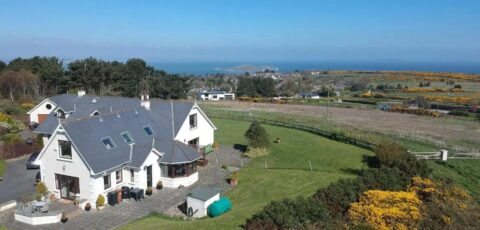
Find a comfortable place to stay and make the most of your trip to Ireland.
The blues is set to take over the streets, pubs and harbour of Howth. From Friday 7 to Sunday 9 August 2026,…
Just a few kilometres from Dublin city centre, Howth nevertheless feels as though you left the capital hours ago. Set on the Howth Head peninsula, this coastal village combines a fishing harbour, small beaches, wind-swept cliffs and trails offering superb views over Dublin Bay. Easily reached by DART, Howth is one of the best day trips from Dublin.
Howth lies around 15 km north-east of Dublin city centre. Despite its proximity to the capital, the atmosphere changes completely upon arrival: fishing boats, a marina, green hills and the Irish Sea set the scene.
The village is particularly popular with Dubliners, who come here to walk, have lunch overlooking the harbour or simply enjoy the coast for a few hours.
For travellers spending several days in Dublin, Howth is therefore an excellent way to discover a much more natural side of the region without hiring a car.
Most visitors arrive right by the harbour. This is where you will find the village’s liveliest atmosphere, with fishing boats, sailing boats, restaurants and small shops.
A walk along the piers lets you admire the marina and enjoy lovely views of Ireland’s Eye, the small island just off Howth.
Grey seals can also be spotted in the waters around the harbour. They are relatively accustomed to people, but it is important to observe them from a distance and not feed them.
Howth’s main natural attraction remains the walk around Howth Head.
Several marked routes allow you to explore the peninsula’s cliffs and hills. The classic route, the Cliff Path Loop, is around 7.8 km long and takes about two hours to complete.
The trail begins near the DART station and first follows the harbour before gradually reaching the cliffs.
The scenery quickly becomes spectacular: heathland, gorse, rocky cliffs and sweeping views over the Irish Sea. On a clear day, you can make out Ireland’s Eye, Lambay Island and Dublin Bay.
The ground can be uneven and sometimes slippery after rain. Good footwear is therefore recommended, especially if you plan to complete the entire loop.
Following the trails of Howth Head, you will soon spot one of the local landscape’s symbols: Baily Lighthouse.
Set on the cliffs in the south-east of the peninsula, the lighthouse overlooks the Irish Sea and is one of Howth’s most photographed viewpoints.
The lighthouse itself is not a traditional tourist attraction freely open to the public, but several trails offer excellent views of the building and the surrounding coast.
The Howth Cliff Walk is not a single route. Several marked trails start from the village, allowing you to choose the distance and level of difficulty.
The different loops are colour-coded and start near Howth station.
Several trails lead to Howth Summit, in the heights of the peninsula.
From this area, the view stretches widely across Dublin Bay and the coastline. This is also where several hiking routes split before descending back towards the village.
Visitors with limited time can also reach the Summit without walking the entire coastal trail.
Howth has several beaches and small coves, including Claremont Beach and Balscadden Bay.
Claremont Beach is close to the village and is particularly pleasant when the tide reveals a wide stretch of sand.
Balscadden Bay, meanwhile, lies at the start of the cliff trail. It is popular with local swimmers, but swimming in this part of the Irish Sea is best suited to those comfortable with cold water and marine conditions.
Howth retains a strong maritime tradition, and the harbour still supports fishing activity.
It is therefore no surprise to find many restaurants specialising in fish and seafood around the harbour.
Fish and chips, oysters, mussels, salmon and catch of the day regularly feature on menus.
At weekends, some establishments can be very busy, particularly when the weather is fine. It may therefore be wise to have lunch slightly before or after usual dining times.
It is impossible to visit Howth without noticing Ireland’s Eye, a small island visible from the harbour and the cliffs.
This uninhabited island is an important refuge for seabirds.
Boat trips depart from Howth during the tourist season. Some circle the island, while others may offer landings when conditions allow.
These trips also provide a lovely view of Howth’s cliffs from the sea.
Howth also has an interesting historical heritage, particularly around Howth Castle.
The estate’s history dates back to the Middle Ages, and the castle has been altered several times over the centuries.
The area is especially interesting for travellers wishing to complement their discovery of Howth’s natural setting with a historical dimension.
A half-day is enough to explore the harbour, have lunch there and take a short walk along the coast.
To enjoy the Howth Cliff Walk at a leisurely pace, explore the village and have lunch without rushing, it is best to allow a full day.
It is also possible to stay overnight in Howth, but for most travellers staying in Dublin, a day trip is more than sufficient.
The most convenient way to reach Howth from Dublin is the DART, the coastal train serving Dublin Bay.
From the city centre, the journey generally takes around 25 to 30 minutes. Howth station is just a few minutes’ walk from the harbour and the starting points of the main hikes.
This easy access is one of Howth’s great advantages: no car is needed to enjoy the village and the peninsula.
Bus routes also connect the area with Dublin.
Howth can be visited all year round, but weather conditions obviously play an important role if you plan to walk along the cliffs.
Spring and summer offer long days and particularly pleasant vegetation on Howth Head. They are also the busiest periods.
Autumn can bring beautiful light over the bay, while winter reveals a much wilder landscape.
In strong winds, heavy rain or fog, certain sections near the cliffs require extra caution. It is best to stay on marked trails and never approach the edge unnecessarily.
Howth has a rare advantage: it offers a genuine feeling of wild coastline while remaining less than half an hour by train from Dublin city centre.
Between the harbour, fish restaurants, seals, Ireland’s Eye and trails overlooking the sea, the peninsula reveals a side of the Irish capital that is very different.
For travellers wishing to combine a visit to Dublin with natural scenery without devoting an entire day to a long journey, Howth is clearly one of the best day trips to plan.