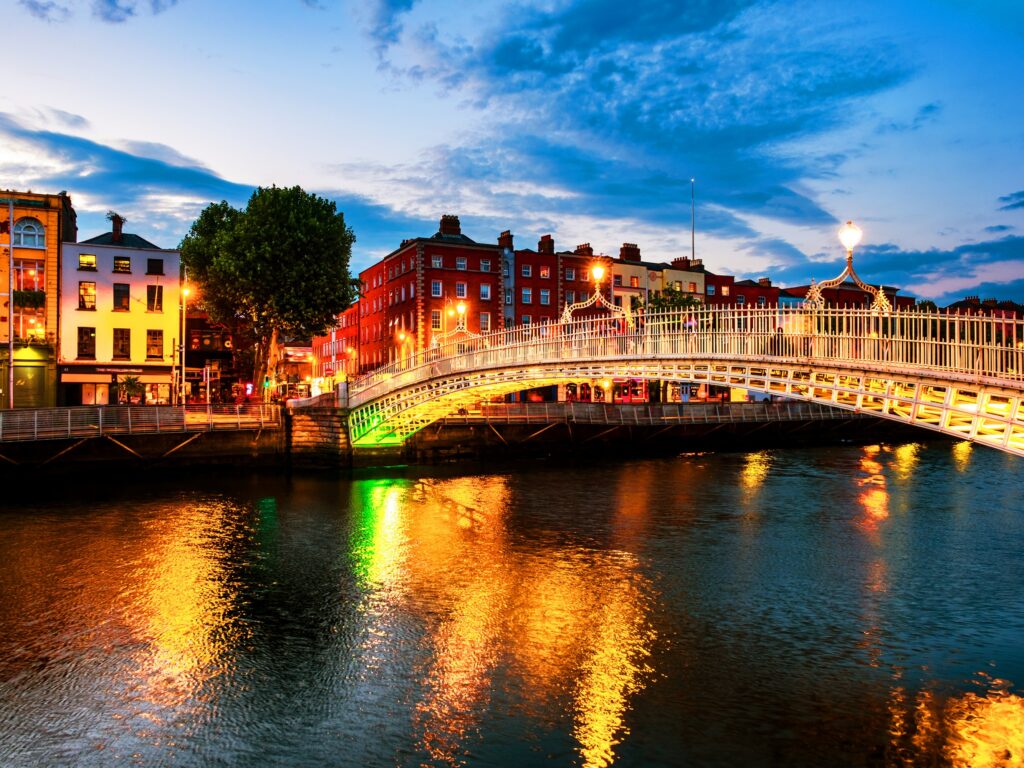
The Ha’penny Bridge
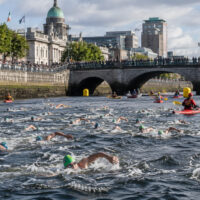
Recognisable by its white silhouette and delicate arches, the Ha’penny Bridge is one of Dublin’s most iconic landmarks. This pedestrian footbridge spans…


 Tourist attractions
 Irish Restaurants and Pubs
 Partner Accommodations
 Campgrounds and Lodging
Recognisable by its white silhouette and delicate arches, the Ha’penny Bridge is one of Dublin’s most iconic landmarks. This pedestrian footbridge spans…
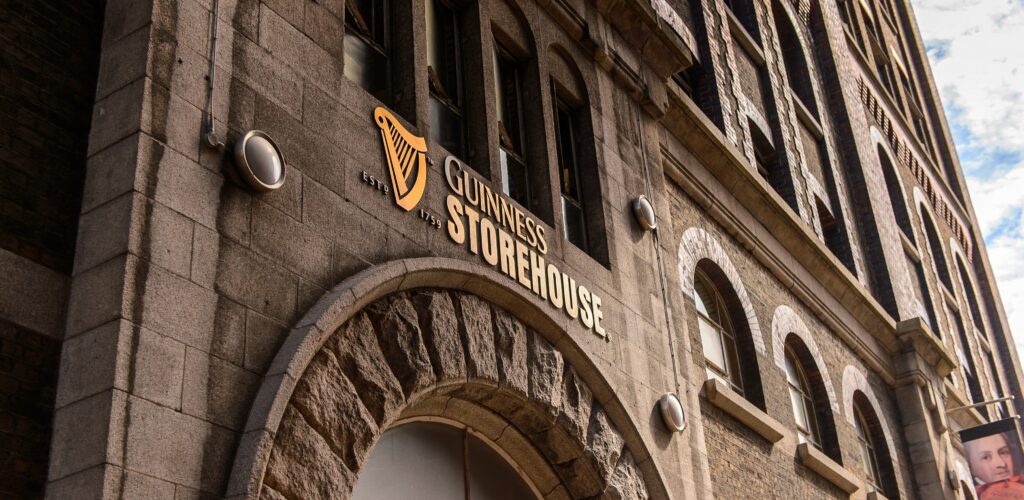
Located in the heart of the historic Liberties district, the Guinness Storehouse tells the story of Ireland’s most famous beer through seven…
At the heart of Trinity College, the Old Library is home to two of Dublin’s greatest cultural treasures: the spectacular Long Room…
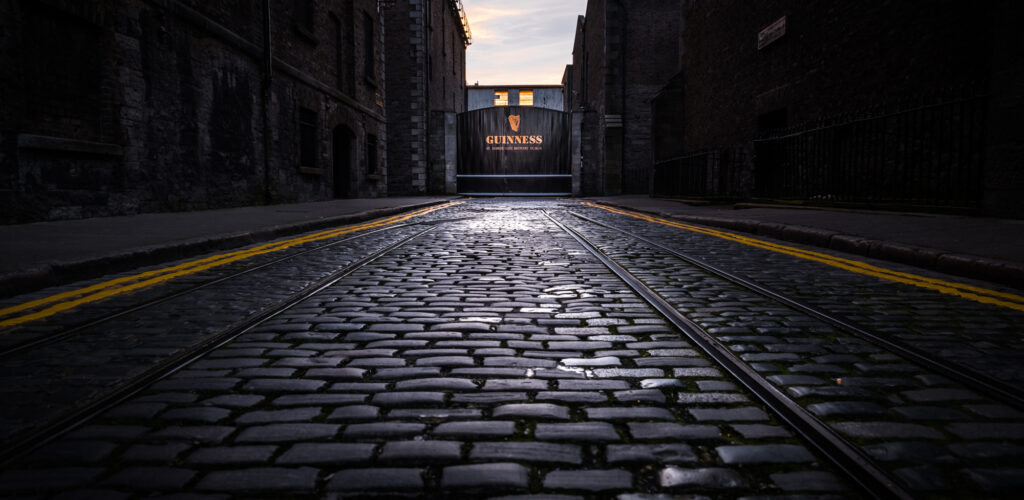
With its tall black pillars, gold lettering and instantly recognisable Guinness name, St James’s Gate is one of Dublin’s most photographed sights.…
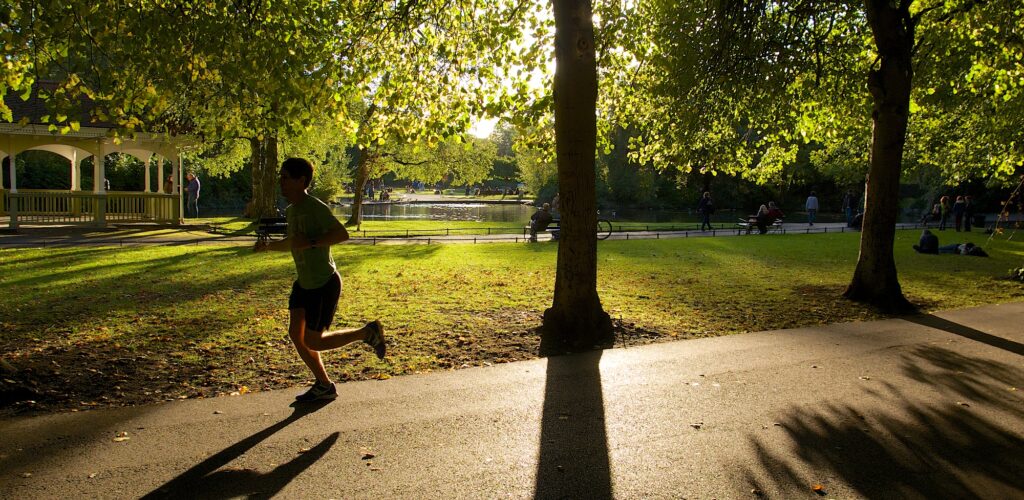
Behind the gates of St Stephen’s Green, Dublin’s bustle seems suddenly to fade away. Buses, passers-by and the shopfronts of Grafton Street…
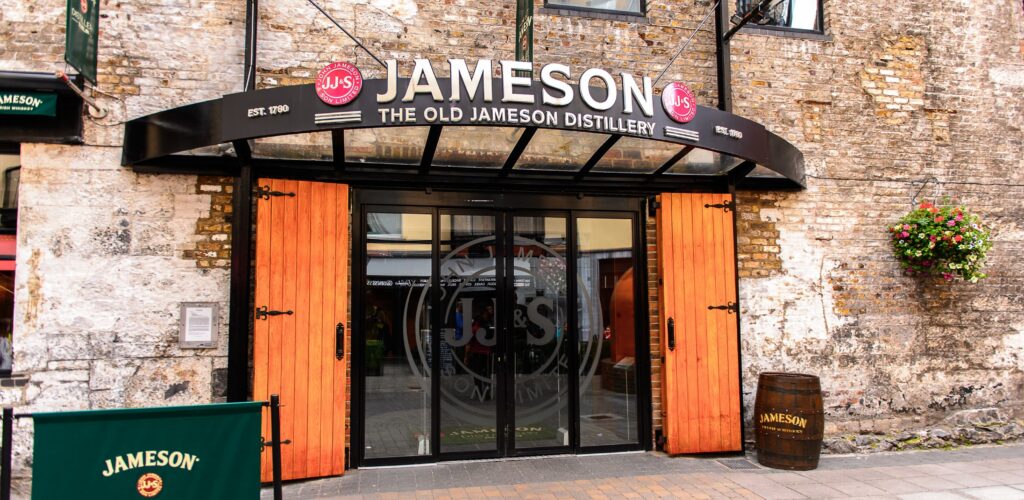
Just a stone’s throw from Smithfield Square, the stone walls of the Jameson Distillery (Old Jameson Distillery) tell more than two centuries…
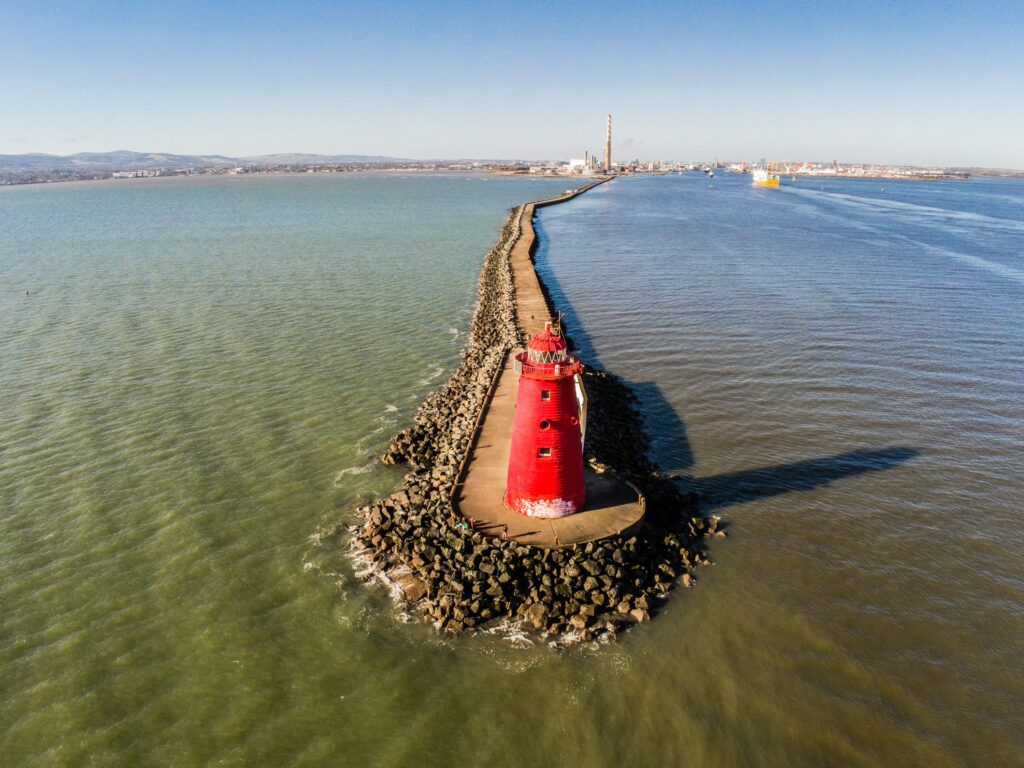
The Great South Wall (Balla an Bhulla Theas in Gaelic) is a kind of giant breakwater in Dublin harbour. 4km long, it…
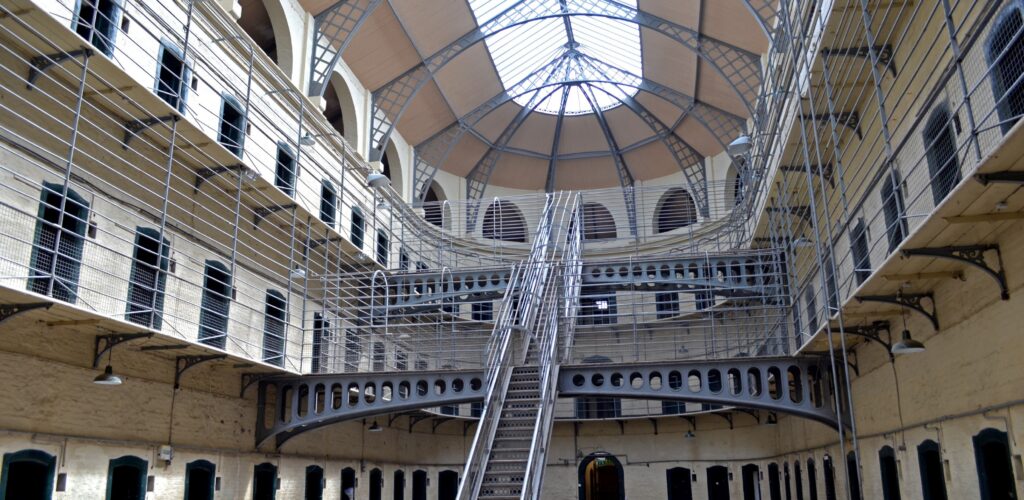
Dimly lit corridors, bare-walled cells and a yard where fourteen men were shot in May 1916: in Dublin, Kilmainham Gaol preserves the…
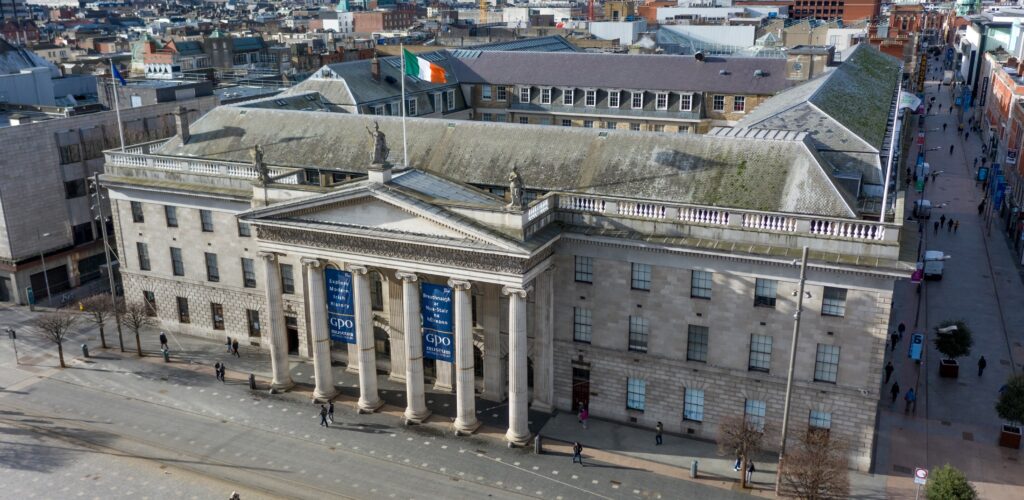
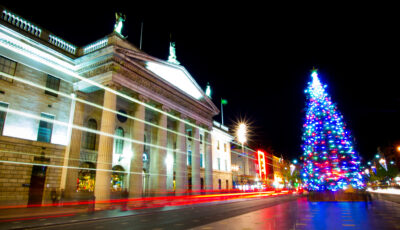
Six monumental columns dominate O’Connell Street. Bullet marks in their stone recall that, in April 1916, Dublin’s General Post Office was far…
The National Museum of Archaeology is a state museum forming part of the National Museum of Ireland. This magnificent museum boasts a…
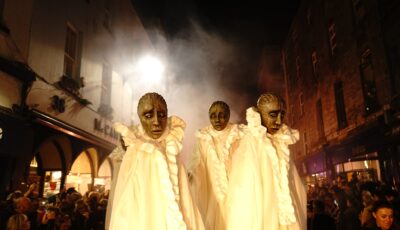
From 17 to 31 October 2026, over the final three weekends of October, including the bank holiday Monday and Halloween. Announced opening hours: 12 noon to 8 pm, depending on the session.


Conor McGregor is an Irish MMA champion. The embodiment of the Irish figthing spirit, he is a major figure in Ireland, both adored and…
Find a comfortable place to stay and make the most of your trip to Ireland.
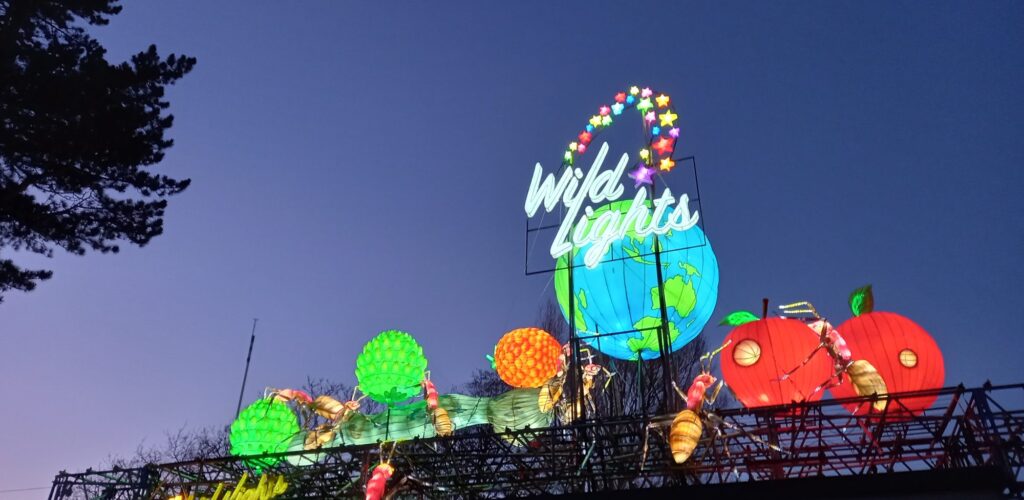
Illuminated Japanese cherry trees, the colours of Holi, the energy of Seoul, followed by a return to Irish legends: this winter, Dublin…
The historic County Dublin is not limited to the city of Dublin alone. It encompasses a much larger area organised around the bay, from the Fingal coastline in the north to Dún Laoghaire, Dalkey and the first mountain foothills in the south. For travellers, this distinction is essential: the capital concentrates museums, monuments and historic districts, while the rest of the area offers maritime, residential and sometimes surprisingly rural Dublin.
Today, “County Dublin” is above all a historic area. Since 1994, it has no longer existed as a single administrative authority: Dublin City, Fingal, South Dublin and Dún Laoghaire–Rathdown each have their own local authorities. Together, these four areas had a population of 1,458,154 in the 2022 census.
This arrangement explains why a search for County Dublin should not lead to a simple guide to the capital. Dublin City is only one part of it. Fingal includes Swords, Malahide, Skerries and much of the northern coastline; Dún Laoghaire–Rathdown extends around the southern part of the bay and towards the hills; South Dublin forms a transition between the urban area and the inland uplands.
Dublin city naturally remains the main arrival point and the most common base. It is home to most of the major national museums, Trinity College, the Georgian quarters, the Liberties, Phoenix Park and much of the cultural and nightlife offering.
Guide-Irlande has extensive content dedicated to these places, transport and the different districts. This county page is therefore not intended to reproduce a complete guide to Dublin City. At a regional scale, the capital’s main advantage is its central location: it provides quick access to the bay and several coastal areas without a car.
The bay is the geographical feature that best helps explain the county. Between Howth in the north and Dalkey-Killiney in the south, it combines harbours, beaches, headlands, wetlands and districts facing the Irish Sea. Dublin Bay also has UNESCO Biosphere Reserve status.
The coastal rail network makes exploration much easier. The DART serves Howth, Dún Laoghaire, Dalkey and Killiney, among other places, making it possible to plan several excursions from central Dublin without relying on road journeys.
North of the bay, Howth is a rocky peninsula where harbour, cliffs and heathland create an environment very different from the urban centre. Further north, Malahide, Portmarnock, Skerries and Balbriggan extend this coastline and show that the north of the county has an identity of its own.
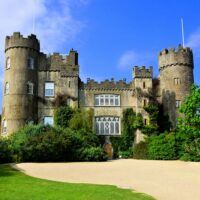
Malahide combines a coastal centre, marina and historic estate, while Skerries retains the atmosphere of a small maritime town. Dedicated pages should remain responsible for specific information on castles, walks, beaches or activities. Here, the aim is to place these destinations within the wider area.
The south of Dublin Bay offers a succession of places that are especially easy to combine. Dún Laoghaire is centred on its large harbour and piers; Sandycove retains a strong maritime and literary character; Dalkey combines medieval heritage, rocky coast and proximity to Dalkey Island; Killiney gradually leads towards more rugged landscapes.
This area works very well as an extension to a stay in the capital. It allows visitors to move from a dense urban environment to coastal walks and sea views in less than a day, without leaving the Dublin region.
South of the urban area, the landscape quickly gains elevation. The Dublin Mountains are the northern uplands of the vast mountain range that continues into Wicklow. Forests, hills, heathland and walking routes offer another perspective on the area.
Ticknock, Montpelier Hill and the Dublin Mountains Way are among the best-known landmarks, but their appeal goes beyond a simple list of walks. This mountainous fringe is above all a reminder that the historic county is not limited to either the city centre or the coast: it also has a hinterland where urban density rapidly decreases.
For a first trip, it makes sense to spend several days in Dublin City before adding one or two days in the surrounding area. One day can be organised around Howth and the north of the bay; another around Dún Laoghaire, Dalkey and Killiney. The Dublin Mountains are better suited to a dedicated day, especially if walking is the main objective.
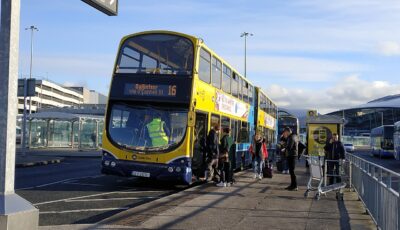
A car is not essential for much of the coastline thanks to the DART and urban transport. It becomes more useful for reaching some rural or mountainous areas. This accessibility is one of the county’s great strengths: urban heritage, sea and nature can be combined without changing accommodation.
The best approach is therefore to view Dublin as a region on several scales. The city deserves its own detailed content; the county page should help explain how the capital, the bay, Fingal, the southern coast and the inland uplands fit together within the same area.