

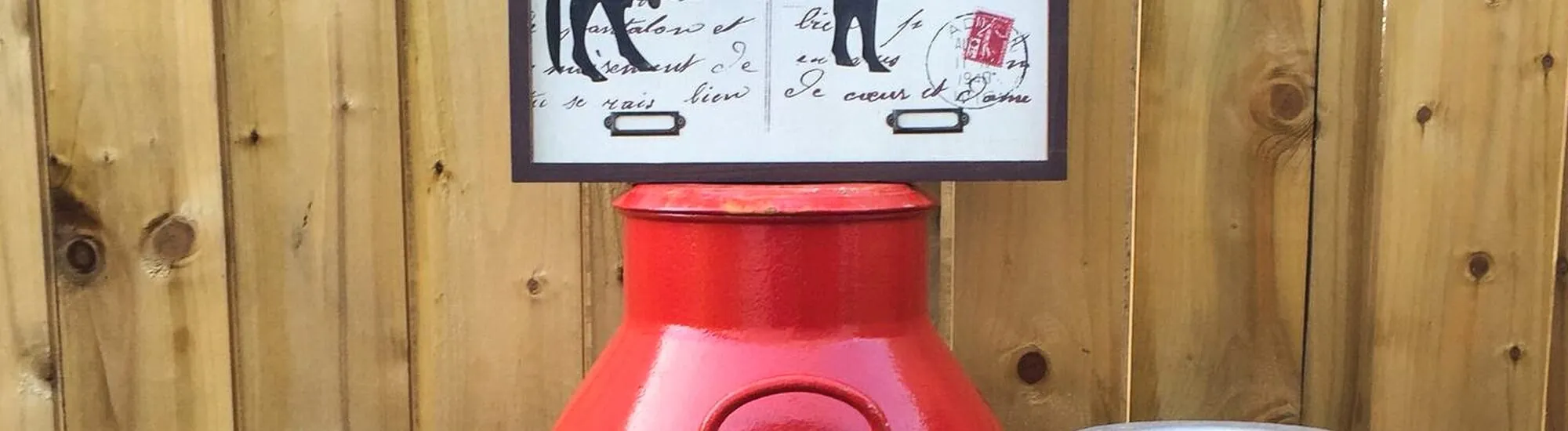
In Listry, near Killarney, the Kerry Creamery Experience opens the doors to a creamery that worked with farms across County Kerry from 1919 to 1993. The guided tour shows how milk was received and what the machinery was used for. A film then gives a voice to local people who knew the creamery when it was still in operation. With its playground and tea room, the museum makes a good family stop during a stay in Kerry.
Picture a small cart stopping beside a raised platform, carrying milk churns from nearby farms. Before tanker lorries, this doorway marked the start of part of the working day in Listry. Today, the Kerry Creamery Experience brings this former County Kerry creamery back to life, between Killarney and Milltown. The delivery platform, churns and machinery offer a very tangible sense of what was involved each day in bringing in and processing a village’s milk.
The museum occupies the former Listry creamery. The Garland family has recreated its workings so visitors can follow the milk’s journey through the building. One detail is worth noting as soon as you arrive: the raised platform. Just imagine the weight of a full churn to understand the advantage of unloading at cart height. It is the kind of detail that brings a building to life far better than a display case.
In 1919, the Watson brothers’ company opened a subsidiary creamery in Listry, attached to its main premises in Killorglin. This arrangement gave a small community its own collection point while connecting it to a regional network. The Listry creamery later passed to the Dairy Disposal Board, which bought the Watson business in 1928. In 1934, it was linked to the new central creamery in Castlemaine.
In 1973, the Castlemaine group of creameries joined Kerry Co-Op. The Listry site remained in operation until 1993. These dates chart more than seven decades of work in the same place. On the scale of a village, that meant several generations of families familiar with the clatter of churns on the platform and the comings and goings of suppliers. The museum traces these changes in its history of the Listry creamery.
The building could have had a second life unrelated to milk. In 2002, Paul and Annette Garland bought it and initially set up a garden centre there. They opened the museum in 2018, as recounted by Castleisland District Heritage. Today, the visit brings together the machinery and the memories of those who knew Kerry’s creameries when they were still in operation.
The visit begins with a guided tour of the creamery. It is an opportunity to explore tasks that technical vocabulary can obscure. How was the milk brought in by each farm weighed? What was the purpose of separating cream from milk? A centrifugal separator divides the two by spinning them at high speed. The cream, which has a higher fat content, can then be used to make butter. If you are travelling with children, let them follow an imaginary churn from the cart to the machinery. The objects then take on meaning as the story unfolds.
The screening that follows gives local residents the chance to share their memories of the creamery. The film also looks at changes in milking techniques. This stage helps connect what you have just seen with the lives of the families who delivered their milk. The contrast between a churn lifted by hand and modern collection equipment shows the scale of what has changed.
Children can extend their visit in the farm-themed playground and see the animals on site. Jerry the donkey and his cart are part of the story told around milk deliveries. If your children are hoping to see a particular demonstration, ask the team what is planned for the day of your visit.
The Dairy Maid’s Tea Room serves hot drinks and homemade cakes. Taking a break on site gives children time to enjoy the outdoors. In wet weather, the creamery visit and film already make up the main part of the experience. The Discover Ireland listing states that free parking is available.
Allow one to two hours on site if you would like to take the tour, watch the film and enjoy the playground or tea room. The site indicates that the guided tour lasts around half an hour and the screening around 15 minutes. For groups and private visits, contact the team in advance. If you need to know the width of access points or whether the visit is suitable for someone with reduced mobility, call before setting off to check the conditions throughout the site.
By car from Killarney, look for the museum in Listry using its Eircode V93 RR84. You can combine this stop with a walk in Killarney National Park, or continue towards Milltown if your route takes you north through Kerry. And if your trip also includes Cork, the Cork Butter Museum continues the story from another perspective. In Listry, you follow milk from the farms. In Cork, you discover how butter became an export product.
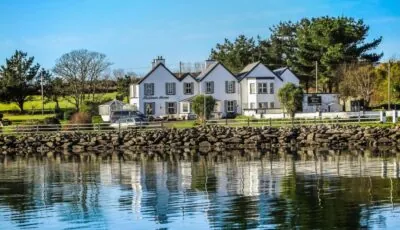
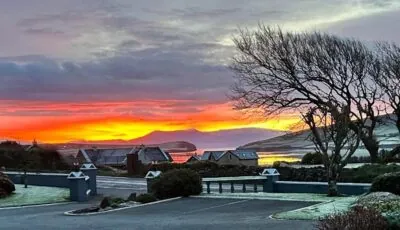
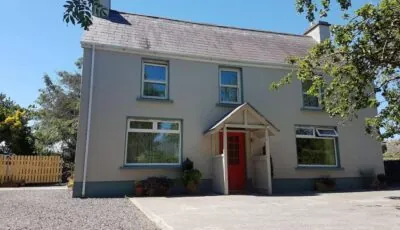
Want to extend your visit without having to rush around? Here are a few well-located places to stay near the must-see attractions.
Essential information to help you plan your visit, including key landmarks, access information, and booking options.
Lissavane East, Milltown, County Kerry, Republic of Ireland, Tourist sites in Ireland
52.1145958, -9.6680533