

At St Anne’s Park, a grand avenue gives way to woodland, then a stone bridge to a red-brick stable yard. Between Clontarf and Raheny, in north-east Dublin, this public park of almost 90 hectares has retained the layout of a Victorian estate. The Guinness family built a mansion, stables and small ornamental structures here. The mansion burned down, the stables now house artists, and the walk continues just a few streets from Dublin Bay.
To understand the park, begin with the grand avenue. Its width and long view still reveal the role it played on the estate. In the 19th century, Arthur Edward Guinness, the future Lord Ardilaun, and his wife Olive transformed the family property. The mansion was extended and the grounds landscaped to alternate open views, winding paths and more intimate scenes. The shift in pace is still clear as you move from the straight avenue to the paths beside the stream.
The city council bought the estate from Lord Ardilaun’s nephew, Benjamin Plunket, in 1939. During the Second World War, the mansion was used to store equipment for the Irish Defence Forces. A fire ravaged it on Christmas Eve 1943, and the remains still standing were demolished in 1968. Traces survive beneath the ground. The Dublin City Council community archaeology programme has been studying the site since 2021. The excavations bring together professionals and volunteers, lending this end of the avenue an interest that a simple stroll might otherwise miss.
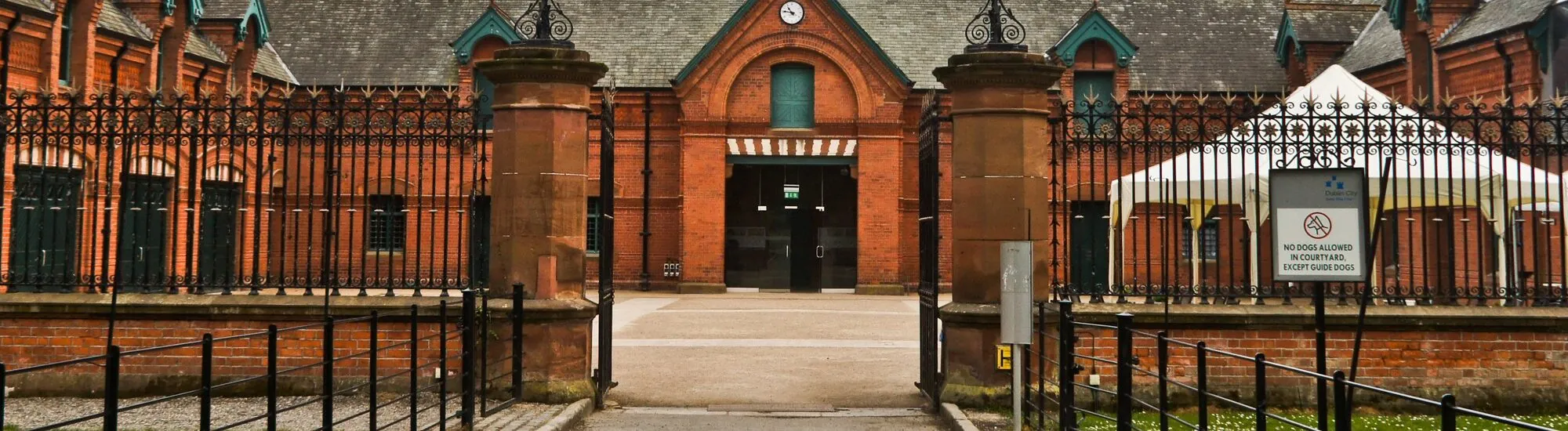
The stables are the easiest landmark to find. Commissioned by Lord Ardilaun in 1885, they bear the signature of George Ashlin, who was also associated with Cobh Cathedral. Their red brick came from Portmarnock. In the courtyard, look up at the arches of the carriage sheds and the terracotta details. The Irish architectural inventory can help you spot these features before your visit.
Restored and opened to the public in 2006, the Red Stables house artists’ studios, a gallery and Olive’s Room tearoom. It is a good meeting point if you arrive through different entrances. On Saturdays, the Red Stables Food Market brings together producers and craftspeople in the courtyard. You can pick up supplies for a picnic, then head to the nearby playground or lawns. To visit the studios themselves, keep an eye out for open days announced by the city.
Near the main avenue, the rose garden changes with the seasons. Created in the 1970s, it contains more than 25 varieties, according to the city council. Blooms follow one another from late spring to autumn. In July, the Rose Festival adds family activities, music and stalls to the walk. If you are visiting specifically for the event, check that year’s programme before setting off.
The arboretum tells a more recent story. It was planted in 1988 with the Tree Council of Ireland for Dublin’s millennium. To give your walk a thread, follow the Native Tree Trail and its markers identifying native species, or the Story Trail, which links several of the park’s natural and historic features. In autumn, when a visit is less centred on the roses, these trails offer a good reason to leave the main avenues. The routes are presented on the Dublin City Council parks website.
The most distinctive part of the park is discovered by following the Naniken, the small watercourse that runs through it. The Victorian estate was dotted with ‘follies’, structures designed to surprise walkers or frame a view. Among the surviving features are the Temple of Herculaneum, the bridge and hermitage, as well as rockeries. Seek them out along the side paths, and notice how the water, slope and vegetation alter the view at every turn.
For a first visit, allow around one to one and a half hours for the stables, rose garden and part of the valley. With children, it is easy to add a break at the playground near the Red Stables. After rain, stick to the main avenues if you are pushing a buggy or want to avoid dirt paths. The park is listed by the city as wheelchair accessible. To reach a particular point, take account of the surface and gradient of the valley paths.
To begin at the Red Stables, head for the Mount Prospect Avenue side. If arriving by DART, compare the walk from Harmonstown or Raheny according to the entrance you choose. The park gates operate seasonal opening hours, and may begin closing before the stated time. In winter, explore the valley at the start of your visit and identify your exit before the light fades.
If you have half a day to spare, then make your way to the Clontarf seafront. To continue to Bull Island and the Dollymount dunes, check the map for the crossing point that suits your route. The bay is far more exposed to the wind than St Anne’s Park’s wooded avenues. An extra layer in your bag can make all the difference if you plan to combine both walks.
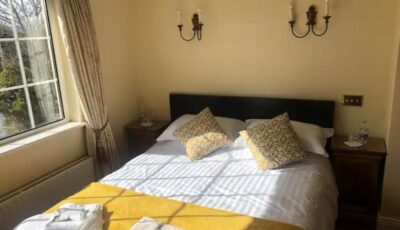
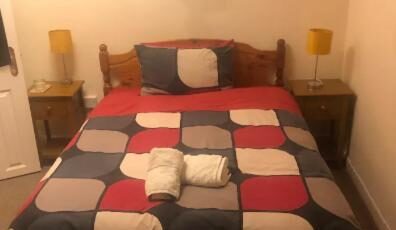
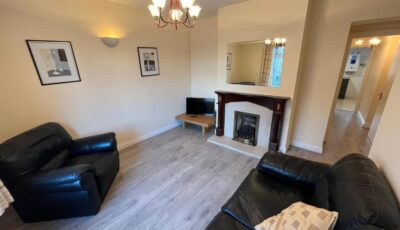
Want to extend your visit without having to rush around? Here are a few well-located places to stay near the must-see attractions.
Essential information to help you plan your visit, including key landmarks, access information, and booking options.
Mount Prospect Avenue, Clontarf, Dublin, County Dublin, Republic of Ireland, Tourist sites in Ireland
53.3718307, -6.1793446
Opens at 10am. Closes at 5pm in January and December, 5.30pm in February and November, 8.30pm in April and September, 9.30pm in May and August, and 10pm in June and July. In March, it closes at 6.30pm before the clock change, then at 7.30pm. In October, it closes at 7.30pm before the clock change, then at 6.30pm. Some gates may begin closing 30 minutes earlier. According to Visit Dublin, the Red Stables Market is held on Saturdays from 10am to 4pm.
Check the opening hours and admission requirements before you leave, especially during peak season or on Irish public holidays.
Free entry to the park. Refreshments and market purchases must be paid for on site. Events may have their own ticketing arrangements.