

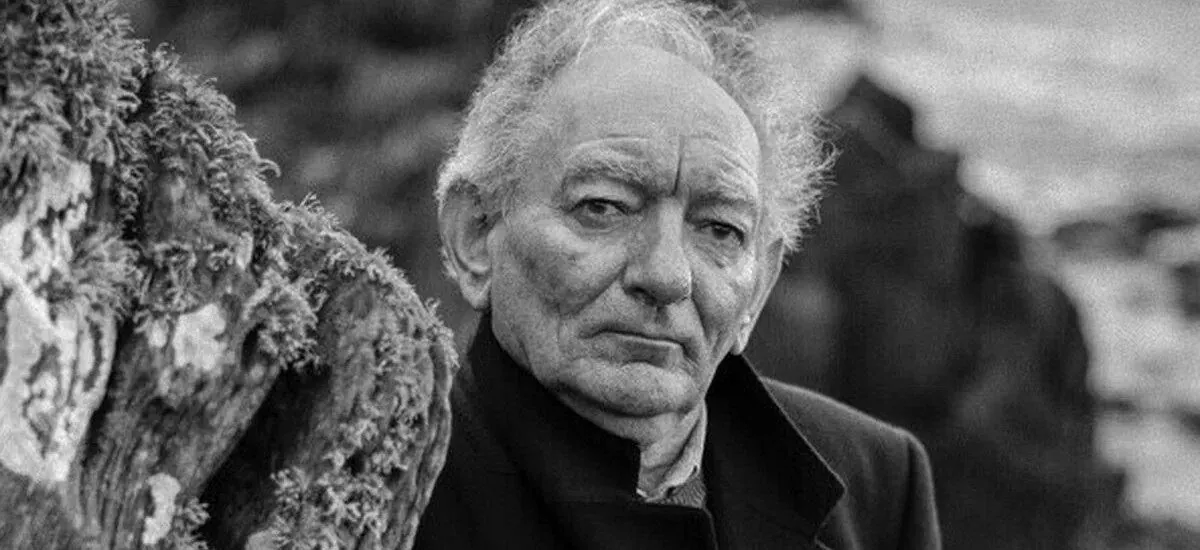
Brian Friel is one of the most influential playwrights of 20th-century Ireland, whose works deeply explore themes of identity, memory, history, and sociopolitical tensions in Ireland. His career spanned several decades, and his impact on contemporary theatre remains undeniable. In this article, we will delve into the life of Brian Friel, his most famous plays, and the legacy he left on theatrical culture.
Born on January 9, 1929, in Omagh, Northern Ireland, Brian Friel grew up in a region marked by religious and political divisions between Catholics and Protestants. The son of a teacher, he was immersed from an early age in an environment that valued education and culture. After attending primary school in Omagh, he continued his studies at the University of Derry.
Initially, Friel aimed for a career in teaching and worked as a French teacher. However, his passion for writing and theatre quickly took over. He began writing plays and staging them in small venues across Ireland.
Friel made his debut as a playwright in 1959 with his first play, The Enemy Within, produced in a Dublin theatre. Although this work did not achieve great success, it marked the beginning of his theatrical career. His first major recognition came with Philadelphia, Here I Come! (1964), which was a huge hit in Ireland and London.
This play stands out for its portrayal of inner isolation and the internal conflicts of the main character, Gar O’Donnell, a young man preparing to leave Ireland for America. It laid the foundation for Friel’s recurring themes: identity, communication, and social relationships.
It was with Translations (1980) that Brian Friel gained international acclaim. Set in 1833 in an Irish village, the play depicts a group of Englishmen mapping the area and translating Irish place names into English. Through this work, Friel addresses crucial themes for Ireland: language, colonial oppression, and national identity.
Translations echoes the historical tension between the English and the Irish and raises questions about how words and languages can alter a nation’s history and identity. The play was a major success in London and New York and is considered one of the most significant works in Irish theatre.
One of the most notable features of Brian Friel’s work is his ability to explore tensions between past and present while addressing universal themes such as communication, identity, and isolation. Here are some central themes that run through his plays:
Dancing at Lughnasa is arguably the play that most defined Brian Friel’s career. First performed in 1990, it won numerous awards, including the 1991 Olivier Award for Best New Play. The story follows a family of women in 1930s Ireland facing poverty and social and cultural upheaval. Through dance, memory, and the tension between the desire for freedom and submission to social norms, Friel captures a pivotal moment in Ireland’s history.
The impact of Dancing at Lughnasa is immense, not only for its literary beauty but also for how it conveys the emotion and identity of rural Ireland transitioning toward an uncertain modernity.
Brian Friel continued writing and staging his plays worldwide until his death on October 2, 2015, at the age of 86. His legacy as an Irish playwright is undeniable: he captured the soul of Ireland while addressing universal questions. His works are still widely performed, studied, and admired.
His influence extends far beyond Ireland’s borders, with many contemporary playwrights recognizing his pioneering role in modern theatre. Brian Friel remains, without a doubt, one of the greatest names in Irish and global theatre.