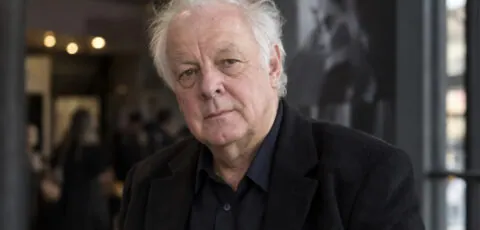


Do you know Neil Jordan? Behind this name is an Irish director with a strong character, celebrated for his imagination and cinematic talent. Considered one of Ireland’s most iconic directors and writers, he has left a lasting mark on the world of cinema. His style, blending realism, the supernatural, and social analysis, has shaped the international film landscape. Let’s take a look back at the life, work, and deep connection between this creator and his homeland: Ireland.
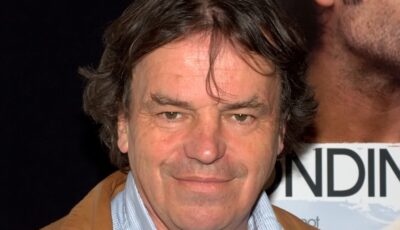
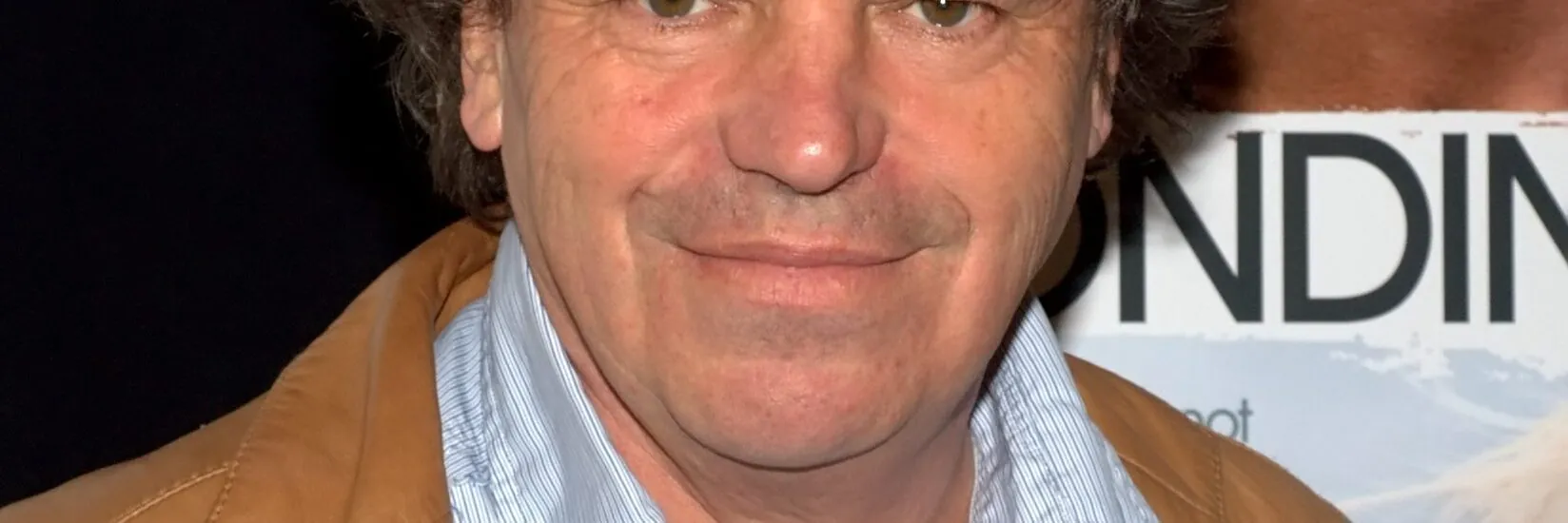
Neil Jordan – David Shankbone – Flickr – cc
Born on February 25, 1950, in Sligo, a coastal town in western Ireland, Neil Jordan grew up surrounded by traditions and folk tales. His father was a teacher and his mother a painter, a combination that nurtured his early love for literature and art.
After studying at University College Dublin, where he specialized in medieval history and English literature, Jordan began his career as a writer. In 1976, he published his first novel, “Night in Tunisia”, a collection of short stories praised for its psychological depth and exploration of social tensions in Ireland.
Neil Jordan entered the film world by collaborating with Irish director John Boorman on the film “Excalibur” (1981). Fascinated by the language of cinema, he quickly moved behind the camera.
In 1982, he directed his first feature film, “Angel”, a political thriller addressing the troubles in Northern Ireland. This film laid the foundation for his style: poetic storytelling combined with a critical look at violence and its human consequences.
Success came in 1992 with “The Crying Game”, a daring film mixing politics, sexual identity, and love. This psychological thriller became a cultural and critical phenomenon, winning the Oscar for Best Original Screenplay. This success propelled Jordan onto the international stage.
In 1994, he directed “Interview with the Vampire“, an adaptation of Anne Rice’s novel starring Tom Cruise and Brad Pitt. This gothic and sensual film confirmed his talent for exploring human psychology through a fantastical lens. Jordan skillfully balances independent films rooted in Irish culture with Hollywood blockbusters.
Despite his global fame, Neil Jordan has never stopped returning to his Irish roots. His work is permeated by themes of identity, folklore, and Ireland’s historical heritage.
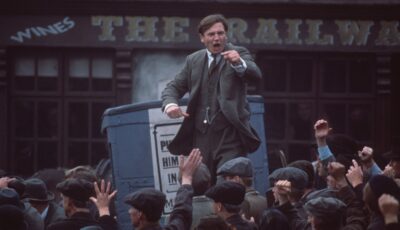
In 1996, he directed “Michael Collins“, an epic biopic about the Irish revolutionary who played a central role in Ireland’s independence. Starring Liam Neeson, this film illustrates Jordan’s commitment to telling the struggles and contradictions of Irish history.
Other films like “The Butcher Boy” (1997) and “Ondine” (2009) also explore Irish mythology and trauma through a poetic and dreamlike aesthetic.
Alongside his filmmaking career, Neil Jordan has continued his literary work. He has published several novels, including “Shade” (2005) and “Carnivalesque” (2017), which extend his favorite themes: troubled identity and the boundary between reality and imagination.
His work is marked by deep humanity and a fascination with society’s margins. He does not hesitate to break narrative conventions, offering audiences and readers works where mystery, violence, and romance intersect.
Today, Neil Jordan remains a major figure in Irish and global cinema. His unique perspective on Ireland, blending the tangible with the fantastic, has inspired many contemporary filmmakers.
By celebrating the complexity of his homeland while exploring universal themes like identity and otherness, he has helped place Ireland firmly on the international cinema map.