

The Dirty Protest (1978-1981) is a term referring to the protest methods used by republican prisoners in Northern Ireland to obtain political prisoner status… The Dirty Protest, also known as the “dirty protest”, consisted of a hygiene strike: inmates refused to wash themselves, smearing the walls of their cells with their own excrement and urine…
Since 1971, Long Kesh prison has held many Republican prisoners within its walls… The latter are held without trial in H-Blocks, a kind of H-cell, and have been fighting from the outset for political prisoner status.
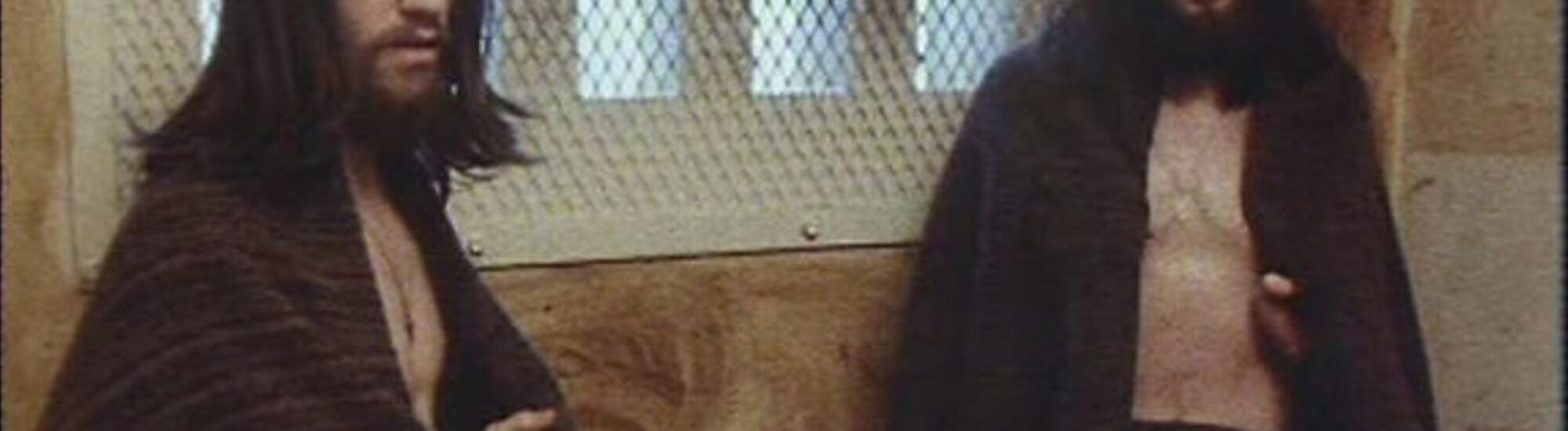
Their first form of struggle was the Blanket Protest, a form of protest consisting of refusing to wear the prison uniform issued by the prison… Prisoners prefer to live naked, wrapped in blankets… This struggle lasted several years, with no results…
The new alternative is the “Dirty Protest”. The inmates take the decision to refuse all forms of hygiene, refusing to wash, urinating everywhere in their cells, and lining the walls with their own excrement, as well as the remains of their daily meals…
Before long, the prison was in such a state of disrepair that the prison guards had to call for the facility to be cleaned on a massive scale. But this action had no effect, and the inmates immediately resumed their anti-hygiene action…
Of course, these actions are not without consequences for the living conditions of the inmates: they themselves are immersed in an unhealthy environment, potentially dangerous for their health. During the Dirty Protest, many inmates develop pathologies and other illnesses which weaken them severely…
Despite these drawbacks, the Dirty Protest proved to be more effective than the Blanket Protest, poisoning the lives of prison guards more clearly than the former measure… Nevertheless, the Dirty Protest would later give way to another, far more powerful form of protest: the hunger strikes held between 1980 and 1981.