In Ireland, gravy is not a detail. Above all, it’s an institution. Simmered for hours, this sauce is thick without being heavy, rich without being nauseating, and a perfect accompaniment to everyday meals as well as Christmas feasts. This tasty sauce is a must-try during your stay in Ireland!

Irish gravy – rimmabondarenko – Canva Pro
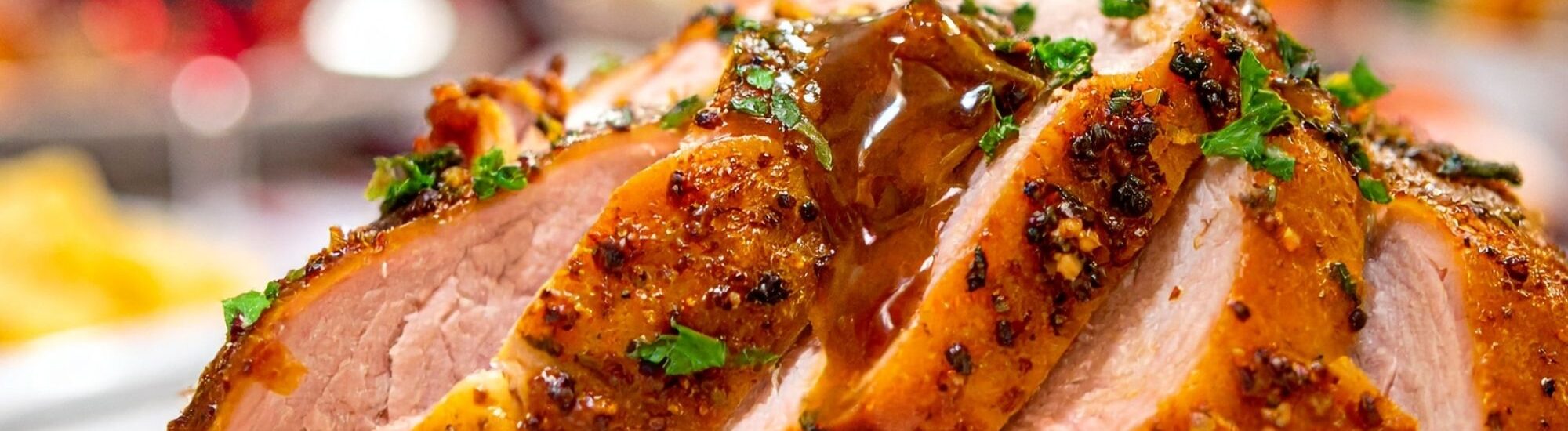
Irish gravy is a hot sauce, usually brown, made from the juices of roasted meats, usually turkey, beef or ham.
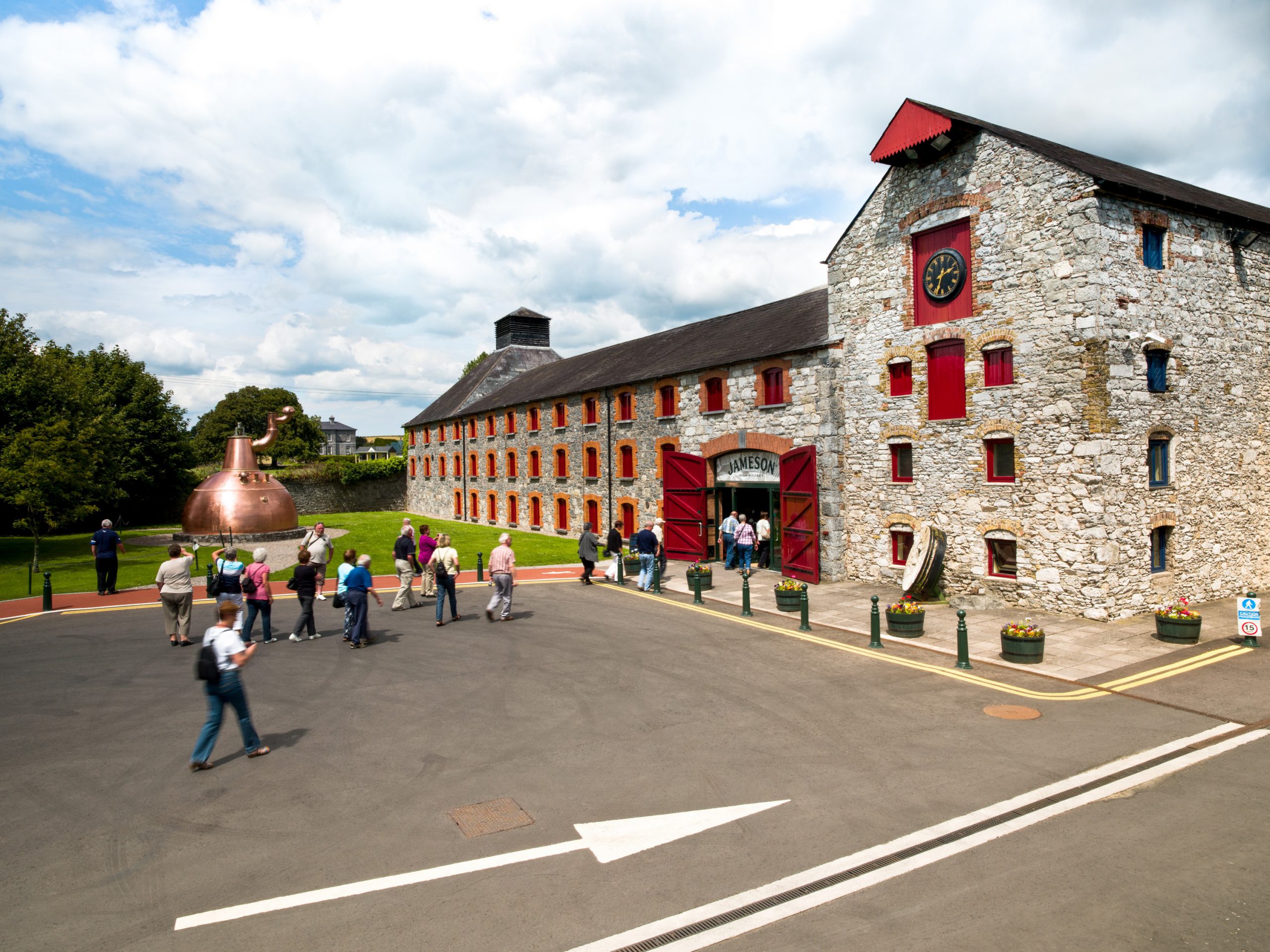
It’s bound with flour and thickened with broth, sometimes enriched with onions, herbs or a dash of beer or whiskey.
Its texture is smooth and creamy, designed to coat food without masking it.
Unlike some industrial versions, traditional gravy is based on the natural taste of the meat and controlled cooking. It doesn’t seek excessive complexity, but rather depth.
A simple yet delicious sauce that makes everyone agree!
Gravy is often indistinctly associated with Ireland, England and the wider Anglo-Saxon world. Yet its identity needs to be qualified. While gravy may not have originated exclusively in Ireland, its place in Irish culinary culture is now so deeply rooted as to make it an almost identifying marker.
Gravy is an integral part of Irish culinary history. Long marked by a simple, nourishing cuisine, Ireland has always valued the complete use of food.
In those days, nothing went to waste, especially not the flavor-rich juices left over from cooking. Gravy was born of this logic: transform what was left in the dish into a generous sauce, capable of enhancing modest ingredients like potatoes or boiled vegetables.
Over time, this sauce has become an integral part of Sunday meals and, of course, Christmas dinner. Every family has its own version, often passed down orally, adjusted to the eye and the taste.
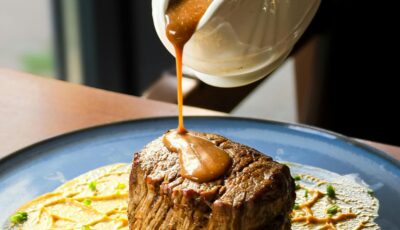
Irish gravy – Busenur Özcan from Pexels
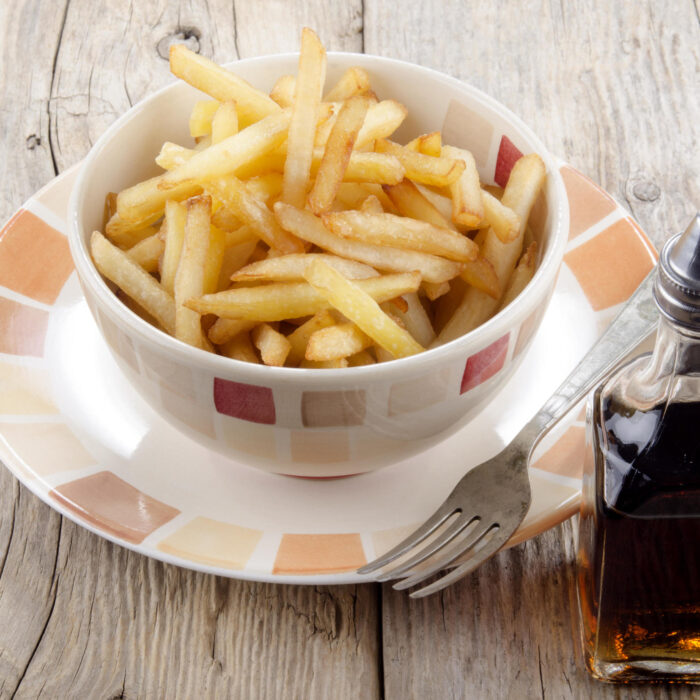
Gravy isn’t confined to meat. In Ireland, it’s poured generously over roast potatoes, mashed potatoes, cabbage or carrots. It adds roundness, warmth and a feeling of a complete dish.
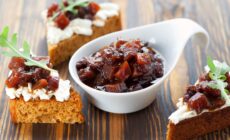
At Christmas dinners, it’s almost as popular as the turkey itself. The Irish love to eat it in quantity, even spooning it out or spreading it on bread (like Guinness Bread).
It also plays a social role: we add to it, we discuss it, we compare this year’s with last year’s. A successful gravy is often the source of high praise. A successful gravy is often the source of high praise.
You don’t have to be a master chef to make an exceptional gravy! But beware: every family has its own recipe, and there are as many gravies as there are Irish people in Ireland!
Whatever the case, the basis of preparation is always the same: the cooking juices of a previously cooked meat are recovered? Chicken, turkey, pork, beef… It doesn’t matter, as long as it’s been simmering for more than an hour, and the result is a delicious, fat-rich juices.
Then add flour, broth, onions, beer or whiskey, as desired… Then reduce again over low heat, until the sauce is thick, smooth and shiny. Gravy is then generally brown.
Then serve generously over pre-cooked meat and/or vegetables.
Some families add finely sliced onions, gently sautéed before incorporating the flour. Others swear by a hint of Irish whiskey, added off the heat to round out the flavors. In pubs, gravy is sometimes more full-bodied, designed to accompany robust dishes such as bangers and mash or roast beef.
Despite these variations, the spirit remains the same: a heartfelt, comforting sauce designed to be shared. It’s a delight to share, and it’s simple to make! In short: a sauce that sums up warmth, conviviality and Irish hospitality in its own right!
If you had to name one key figure in the spirit of Irish gravy, it would be Darina Allen. Founder of the Ballymaloe Cookery School, an absolute reference in contemporary Irish cuisine, she has never sought to reinvent gravy. On the contrary, her approach is to preserve it in its most honest form.
In her books and teachings, gravy is presented as a culinary self-evident: made from real juices, without artifice, respectful of the product. Darina Allen embodies this philosophy, where gravy is not a star, but the proof that a dish is well cooked.
Kevin Dundon, a very popular chef in Ireland and internationally, follows in his footsteps. He regularly features gravy in his recipes for roast dinners, family dishes and festive meals. His particularity is not to make it a technical specialty, but to emphasize its importance in the overall balance of the plate.
His gravy is precise, well-bound, never heavy, designed to accompany both meat and vegetables. It illustrates a modern Irish cuisine, faithful to its roots but perfectly mastered.