Easter Rising of 1916

 4.72/5 (254 votes)
 4.72/5 (254 votes)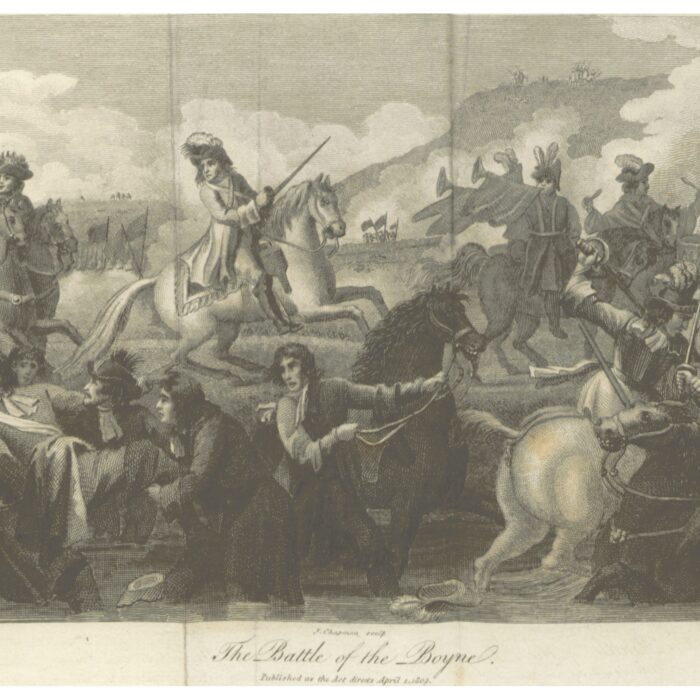
 3.00/5 (15 votes)
 3.00/5 (6 votes)
 4.00/5 (4 votes)
 4.00/5 (1 votes)
 5.00/5 (1 votes)
 5.00/5 (1 votes)
 (0 votes)
 (0 votes)
 (0 votes)
Ireland is a complex country. Its current face is the result of many centuries of tumultuous history, marked by territorial wars. Vikings, Anglo-Normans, British… Many peoples have tried to invade the island of Ireland. Attached to their lands, the Irish have always tried to defend themselves and face invasion and oppression… Sometimes successfully… sometimes suffering a crushing defeat. Here is an overview of the major confrontations that have marked Irish history.
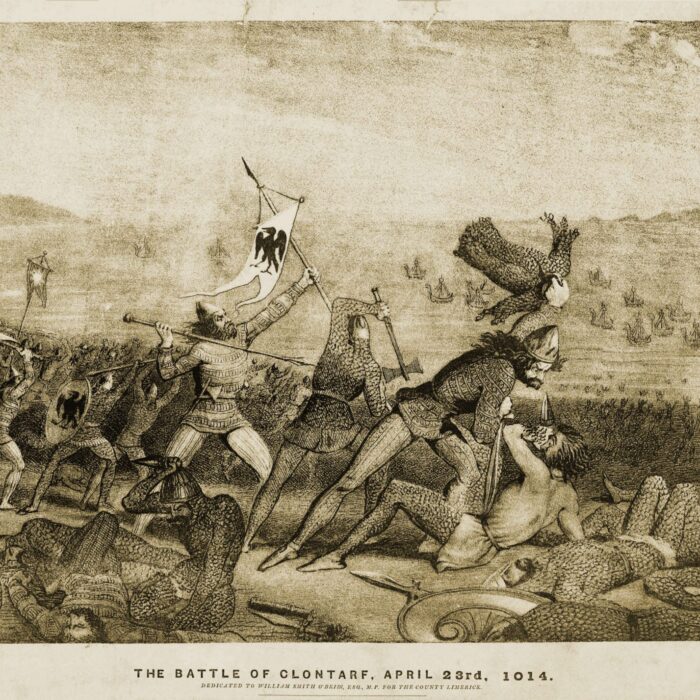
Brian Boru, the High King of Ireland, challenged a coalition of regional kings and their Viking allies near Dublin. Although Brian Boru won the battle, he was killed, marking the end of his attempt to unify Ireland under a single king. The battle, however, marked the decline of Viking presence in Ireland, clearing the way for Gaelic kingdoms to regain power.
This confrontation pitted English forces against the Irish Gaels and their Spanish allies. The Irish defeat strengthened English dominance over Ireland, accelerating anglicization and the loss of Gaelic traditions, effects still felt today.
James II, a Catholic king, was challenged by his Protestant son-in-law, William of Orange. William’s victory consolidated Protestant supremacy in Ireland. The commemoration of this battle remains a source of tension, notably during annual parades in Northern Ireland.
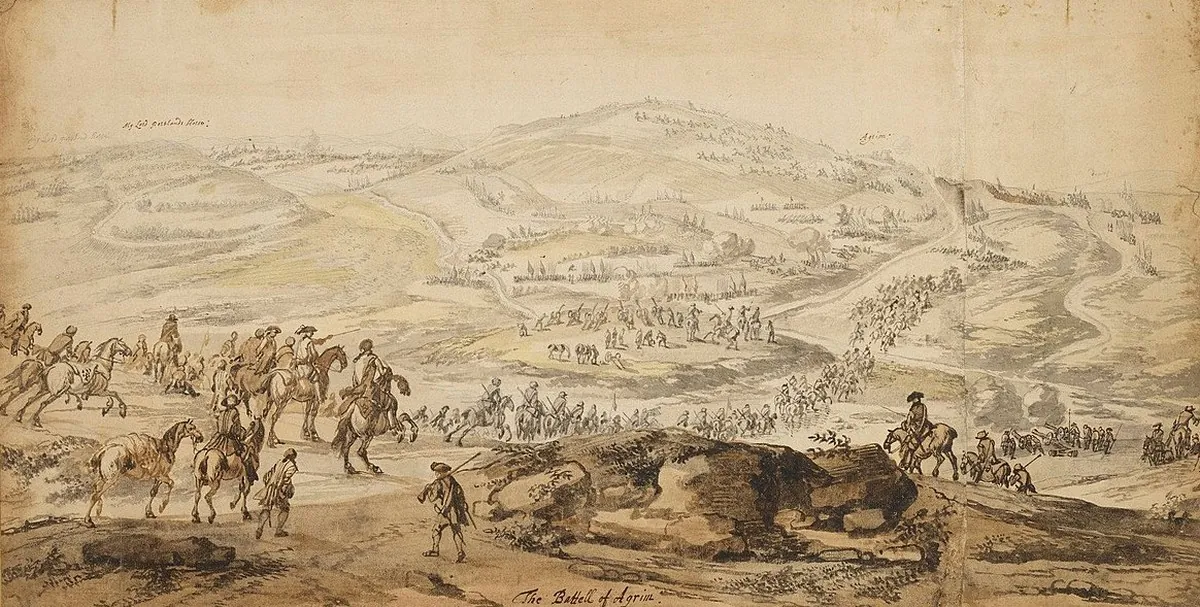
One year after the Boyne, the remaining forces loyal to James faced William’s troops again. Their defeat led to the signing of the Treaty of Limerick, which, although promising rights to Catholics, was quickly broken, resulting in decades of repressive penal laws against Catholics.
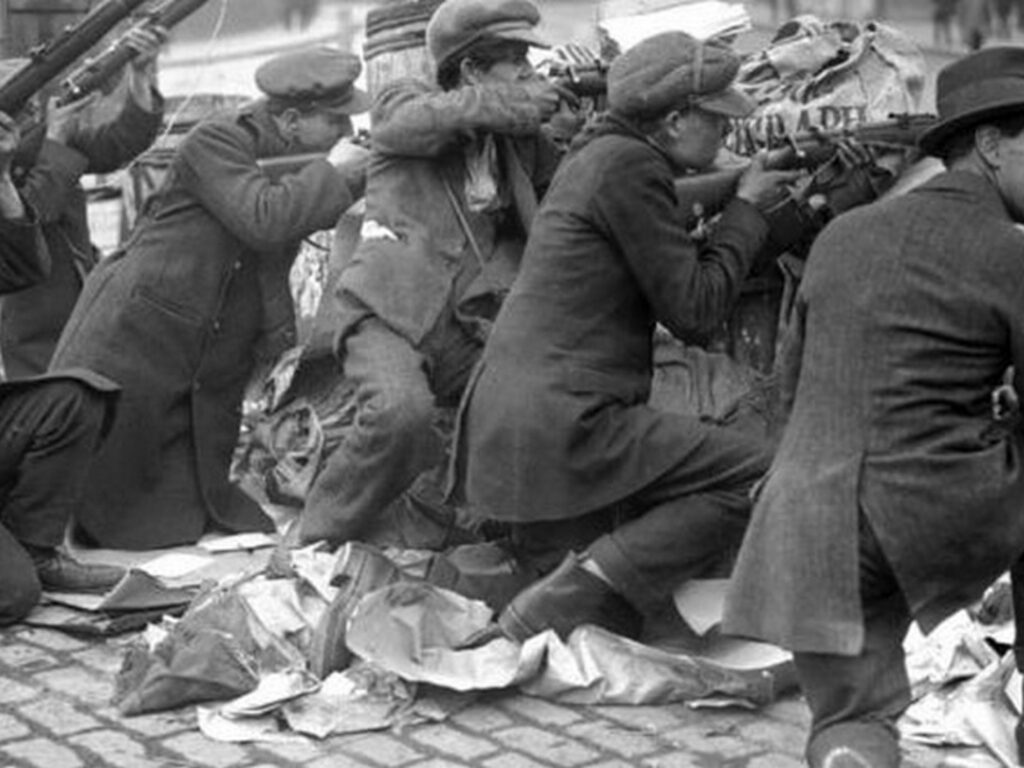
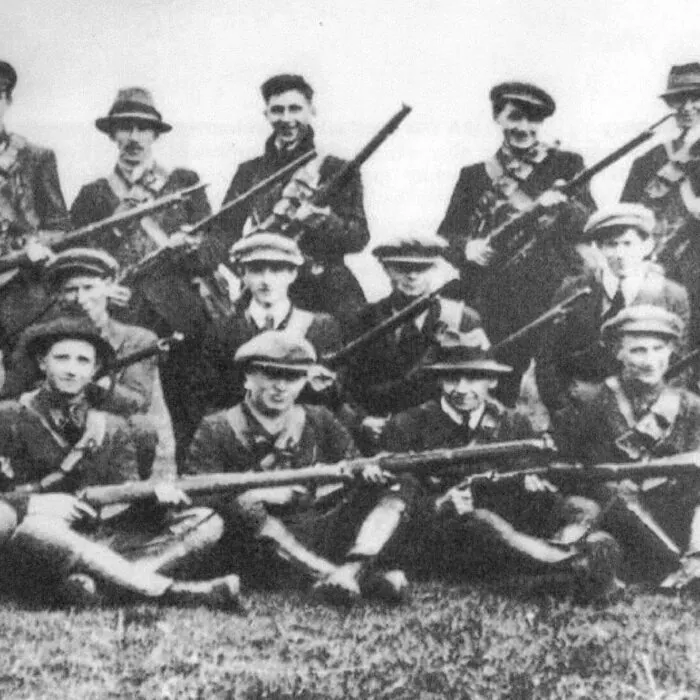
This was not a classic battle but a revolt in Dublin against British rule. Although quickly suppressed, the execution of its leaders by the British galvanized support for the independence cause. Less than six years later, Ireland gained self-governance, which would become the Republic of Ireland.
Each of these battles has left an indelible mark on Ireland. They recall struggles for sovereignty, identity, and faith—issues that still resonate in contemporary Irish political and cultural discussions.