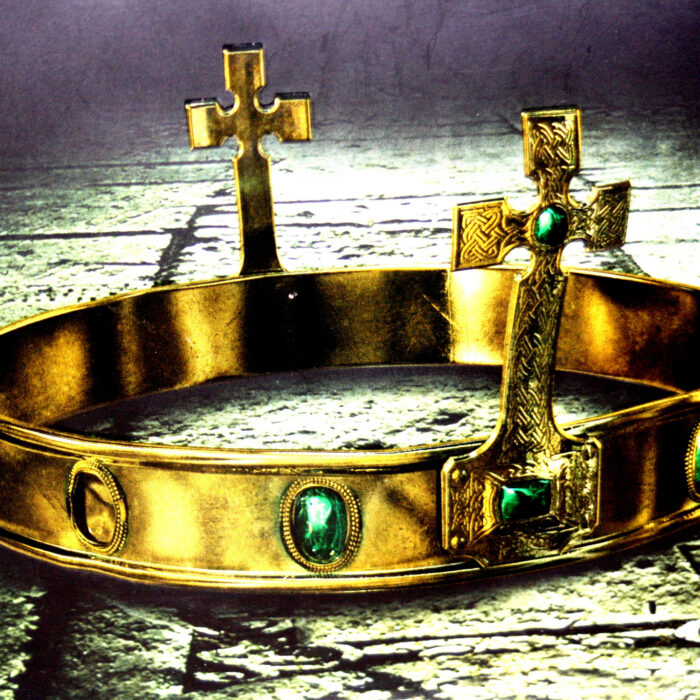
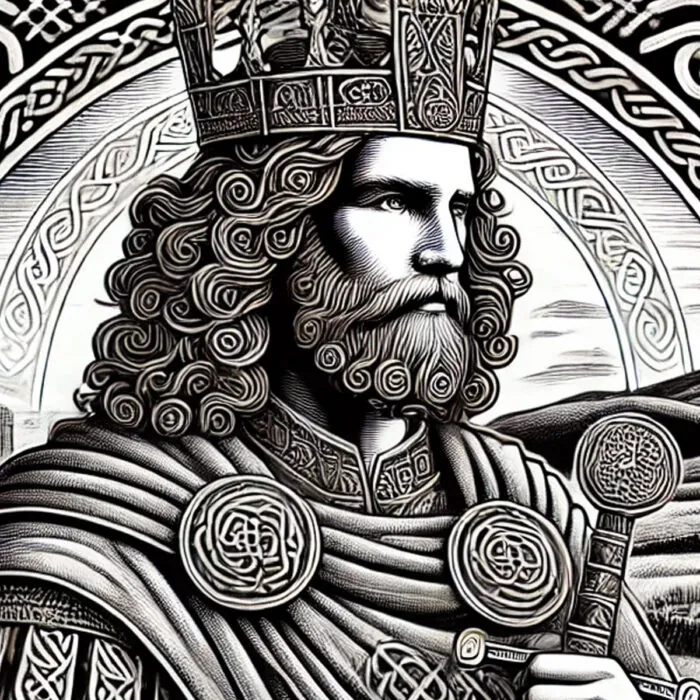
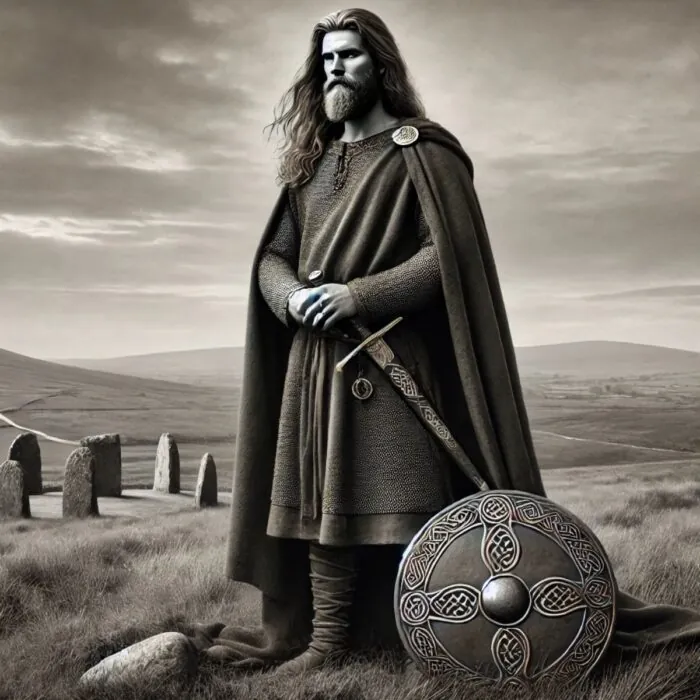
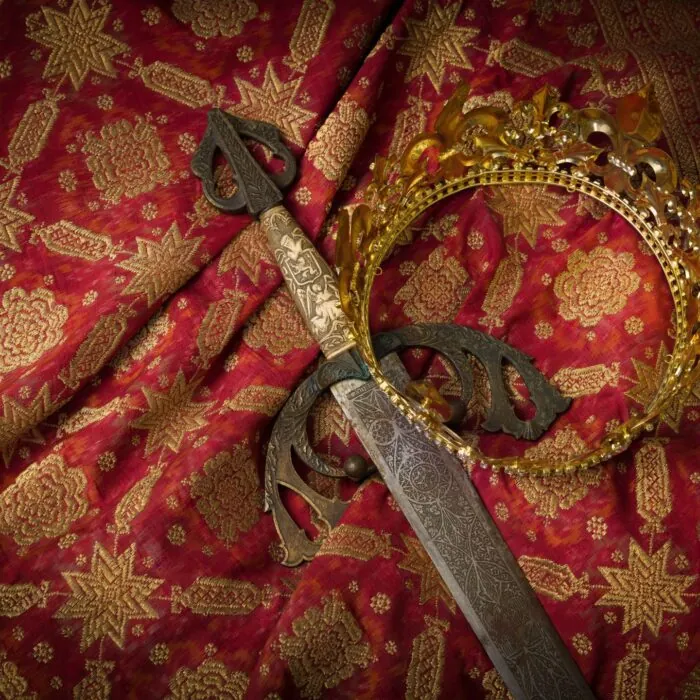
The Ard Rí Érenn, or High Kings of Ireland, embody one of the most mythical and legendary figures in the history of the Emerald Isle. Their reign, marked by heroic tales and power struggles, dates back to the earliest oral traditions and extends until the 12th century. These sovereigns symbolized the unity of an Ireland often divided into small rival kingdoms.
History of the Irish High Leaders
Legendary Origins of the Ard Rí Érenn
The role of High King has its roots in Celtic mythology. According to tradition, supreme power came from the Hill of Tara (Temair na Rí), a sacred site regarded as the spiritual and political center of Ireland. It was there that kings were inaugurated during ceremonies steeped in mysticism.
Legendary tales mention figures such as Conn Cétach (Conn of the Hundred Battles) or Cormac mac Airt, whose exploits are immortalized in medieval annals and Irish mythological cycles. These legendary kings were often seen as demigods, establishing a sacred link between earthly power and cosmic order.
Role and Power of the High King
The title of Ard Rí Érenn did not signify absolute authority over all Ireland. Each province (úar) retained considerable autonomy under its own kings. However, the High King exercised symbolic primacy, ensuring peace and arbitrating conflicts between kingdoms. In exchange for their recognition, provincial kings paid him tribute and warriors to defend the island against invaders.
The High Kings also had a religious role as guardians of sacred traditions and relations with the druids. They presided over major ritual festivals, such as the Féis de Tara, a gathering where laws were discussed and harmony between king and people celebrated.
Dynasties of the Ard Rí Érenn
Several dynasties succeeded one another in the quest for supreme power. Among the most famous are:
- The Uí Néill: This powerful lineage dominated the title of Ard Rí Érenn for nearly six centuries. Divided between the Northern and Southern Uí Néill, it produced emblematic figures such as Niall Noígiallach (Niall of the Nine Hostages).
- The Eóganachta: Originating from Munster, they briefly challenged the supremacy of the Uí Néill, but their influence remained limited to the southern kingdoms.
- The Dál gCais: This dynasty marked the end of Uí Néill hegemony with Brian Boru, probably the most famous of the High Kings. His victory at the Battle of Clontarf in 1014 consolidated his authority, although his death triggered new power struggles.
The Decline of the Ard Rí Érenn
The Anglo-Norman invasion of 1169 marks the beginning of the end for traditional Irish royalty. The last recognized Ard Rí was Ruaidrí Ua Conchobair, who lost his power to the Norman lords. The concept of High King gradually faded in favor of English colonial administration.
However, the legacy of the Ard Rí Érenn persists in Irish collective memory. They embody the golden age of Celtic independence, symbolizing a time when Ireland was governed by its own laws and traditions.
Anecdotes and Legacy
- Tara Today: The Hill of Tara remains a major archaeological site and a place of pilgrimage for those interested in Celtic heritage.
- Brian Boru: His name remains synonymous with courage and national unity in Ireland. Annual commemorations celebrate his memory.
- Symbolism: The idea of the High King still inspires Irish literature and folklore today, fueling tales of chivalry and mythical sovereignty.

 +
+