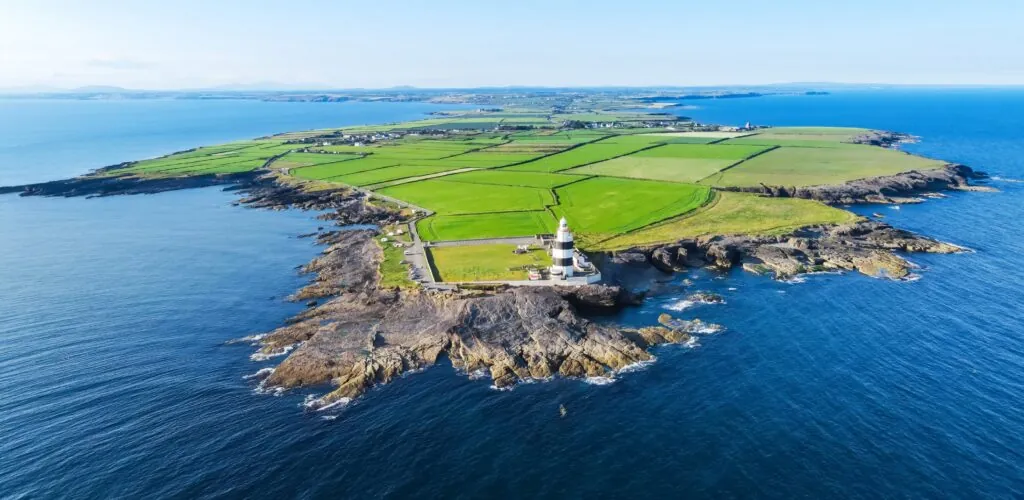
Traveling the Wild Atlantic Way is a dream come true for any traveler seeking the true spirit of Ireland. This spectacular route stretches over 2,500 kilometers of roads, skirting dramatic cliffs, winding through fishing villages, and revealing castles seemingly frozen in time.
By 2026, however, the traveler’s toolkit has evolved. Alongside the essential rain jacket and sturdy shoes, the modern tourist now carries a significant digital footprint.
From hotel bookings in County Kerry and ferry tickets to the Aran Islands, to GPS apps for navigating Donegal’s winding roads, much of today’s travel experience relies on online services.
The catch? While you’re admiring the sunset over the Cliffs of Moher, your data could be attracting invisible threats. Constant connectivity makes life easier for travelers, but it also creates vulnerabilities that can turn a memorable getaway into an administrative headache.
Preparing your digital security before crossing the Celtic Sea
To fully enjoy your adventure without worrying about account safety, using a password generator to create unique logins is one of the first steps to take.
Even before departing from Charles de Gaulle or Orly airport, the savvy traveler starts securing their digital access.
Centralizing your credentials in a reliable password manager helps avoid a dangerous domino effect. If a local tourism platform suffers a data breach, your bank accounts and social networks remain protected.
The Tourist 4.0 knows that reusing the same password for all services is one of the biggest security risks when traveling abroad.
Hidden risks behind the hospitality of pubs and villages
Ireland is world-famous for the warm atmosphere of its pubs, lively music nights, and the generous welcome of its people. It’s tempting to settle into a Galway pub, order a traditional stew, and immediately connect to the free Wi-Fi to share your day’s photos.
However, public networks in tourist areas are often prime targets for data interception.
The fake Wi-Fi network trick
Some cybercriminals create Wi-Fi networks with names similar to well-known establishments. Travelers think they’re connecting to the official pub network, but all their data is actually passing through a device controlled by someone else.
A few simple precautions can reduce these risks.
- Avoid banking transactions on public networks. Prefer your mobile 4G or 5G connection, or use a trusted VPN service.
- Disable automatic file reception in public places to avoid malware disguised as photos or travel guides.
- Keep Bluetooth under control. Some accessories or audio devices can become entry points if their visibility remains permanently enabled.
Managing cookies and location sharing
When browsing local attraction sites like the Ring of Kerry, you’ll receive numerous requests for cookie or location permissions.
Continuously sharing your exact location can reveal travel habits and even indicate that your home is unoccupied for extended periods.
It’s best to set apps to allow location access only while in use, and to regularly clear your browsing history during your trip. This simple habit greatly enhances privacy.
Digital essentials for the Tourist 4.0
The bag of a traveler who wants to discover Ireland in the best conditions needs to be well equipped. Just as you wouldn’t forget the power adapter used in Ireland, certain digital tools have become indispensable.
- Offline-accessible password manager to retrieve credentials even in mountainous areas with limited network coverage.
- App-based or hardware authentication, replacing SMS codes that are often unreliable when traveling internationally.
- VPN to secure internet traffic on hotel, airport, or café networks.
- Recovery email address protected by multiple security layers in case you lose access to an important account.
- Encrypted cloud backup to safely store travel photos and documents.
Securing bookings and using temporary cards
In Ireland, tourism services are highly digitalized. Even in rural areas, cash payments are becoming rare.
However, sharing your main bank card details across multiple B&B or bike rental booking sites increases your exposure to risk.
Certain strategies can help limit this vulnerability.
- Single-use virtual cards generated by some banks for specific bookings.
- PDF copies of reservations stored in a local digital vault, so you don’t need to connect to an unknown network at a hotel reception.
- Instant notifications for every transaction to immediately detect any suspicious payment attempts.
Protecting your privacy while traveling
Travel is, above all, an experience of freedom. But that freedom can be compromised when personal data becomes a target for intrusive advertising or sophisticated fraud.
The GDPR provides important legal protection in Europe. However, technical protection remains the real barrier preventing your Wild Atlantic Way travel data from being exploited by data brokers.
The impact of social media on physical security
Posting real-time photos has become a habit for many travelers. Yet, Tourist 4.0 often prefers to delay sharing.
Sharing your exact location as you’re there publicly reveals where you are—and where you’re not.
Removing location metadata or adding a slight delay to photo posts helps preserve privacy while still enjoying the peaceful landscapes of Donegal or Sligo.
The peace of a well-protected journey
Exploring Ireland is a unique experience, blending breathtaking nature and rich heritage. The Wild Atlantic Way invites contemplation, not worry.
By adopting a security-first approach, travelers can focus on what matters most. The only question left is what surprise awaits around the next bend.
Cybersecurity in tourism isn’t about building barriers. It’s about creating a safe environment where technological innovation and travel freedom coexist in harmony.
With the right identity management tools and a dose of digital caution, Tourist 4.0 can explore Ireland with confidence that their digital assets remain protected.