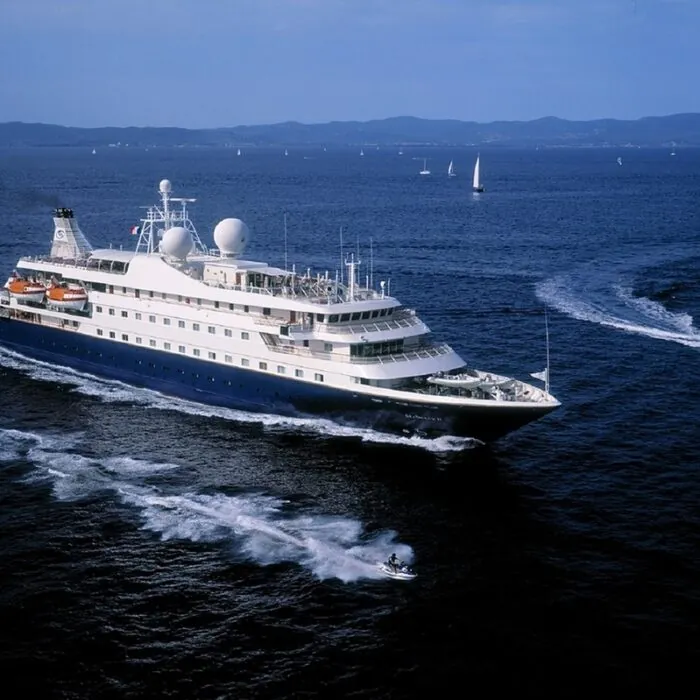

Thinking about taking the ferry to Ireland? Traveling by boat offers plenty of advantages: lower costs, the option to bring your car, a smaller carbon footprint, and optimal comfort. The ferry has a lot going for it!
But did you know there are a few tricks to make your journey smooth and truly enjoyable? Whether you’re departing from France, Spain, or the UK, follow these 10 tips for a successful ferry trip to the Emerald Isle.
Ferry prices fluctuate depending on the season and demand. Booking several weeks—or even months—in advance guarantees you the best rates.
We recommend booking your crossings as early as January for spring or summer trips: that’s when prices are at their lowest!
Check fares here: Brittany Ferries.
Also, look out for special deals on combined ferry, train, and accommodation packages. There are always ways to optimize your travel budget!
To reach Ireland, you have several options:
Pick the port that best fits your route and the crossing duration. Factor in fatigue and travel time to the port as well.
To enter Ireland, you’ll need a valid passport or national ID card. Also, check the rules for pets if you’re traveling with them.
Most ferry companies recommend arriving 60 to 90 minutes before departure. This gives you plenty of time to board stress-free, especially if you have a vehicle.
Avoid arriving too early: you might get tired or end up waiting in less-than-ideal conditions (like under the blazing sun on a hot summer day)…
Aim for a happy medium: not too early, not too late. This will help you avoid stress and fatigue, and ensure you board on time.
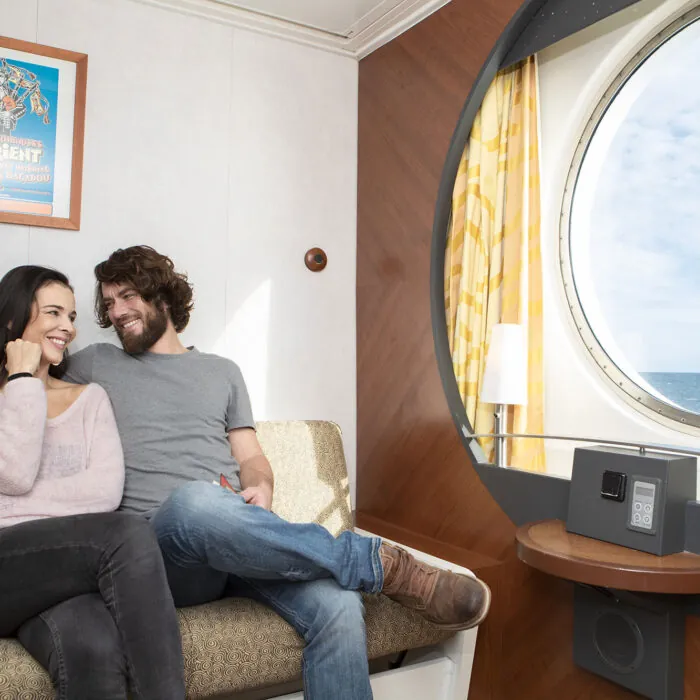
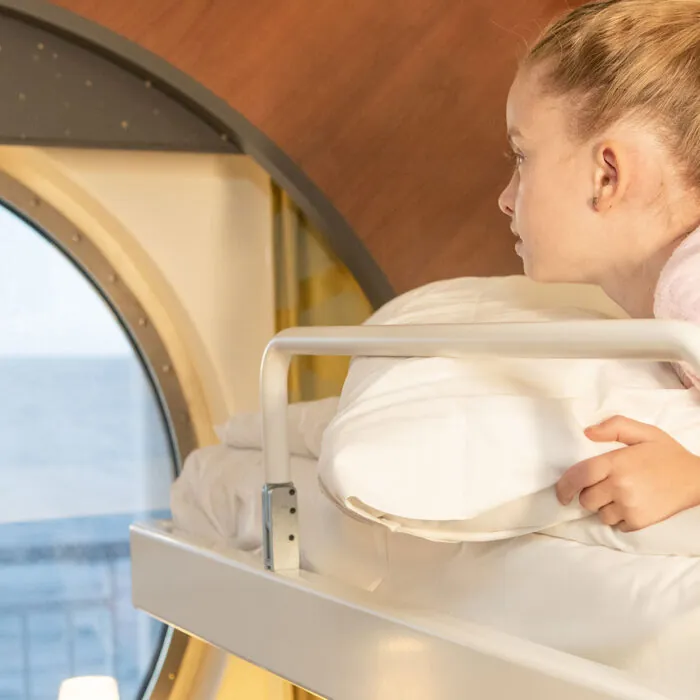
Book a cabin if you’re taking an overnight crossing. Otherwise, reserved lounges offer a quieter space to relax during the journey. Bring a small blanket, a sleep mask, and a bottle of water to make yourself comfortable.
Perfect for making the trip fly by!
Crossings can last from 2 hours (Holyhead-Dublin) up to 18 hours (Roscoff-Cork). Pack books, downloaded movies, or games to pass the time pleasantly.
Pro tip: a portable charger will keep your phone or tablet powered throughout the journey. Cabins have power outlets, but they’re less common in public areas—plan ahead!
The Irish Sea can be unpredictable! Check the weather before you travel to avoid surprises and try to book when there’s little risk of storms. A rough crossing can be unpleasant if you’re prone to seasickness!
Plan your route once you disembark. Whether you’re heading to the Cliffs of Moher or the lively streets of Dublin, prepare your journey to make the most of your time. Have a GPS-enabled smartphone or a good old-fashioned map, depending on your preference.
Duty-free shops, restaurants, bars—some ferries feel like mini-cruises! Explore the facilities to make your crossing more enjoyable. Companies like Brittany Ferries offer a range of services to brighten your trip.
Sea conditions can cause delays. Allow some buffer time in your schedule, especially if you have connections after arrival.