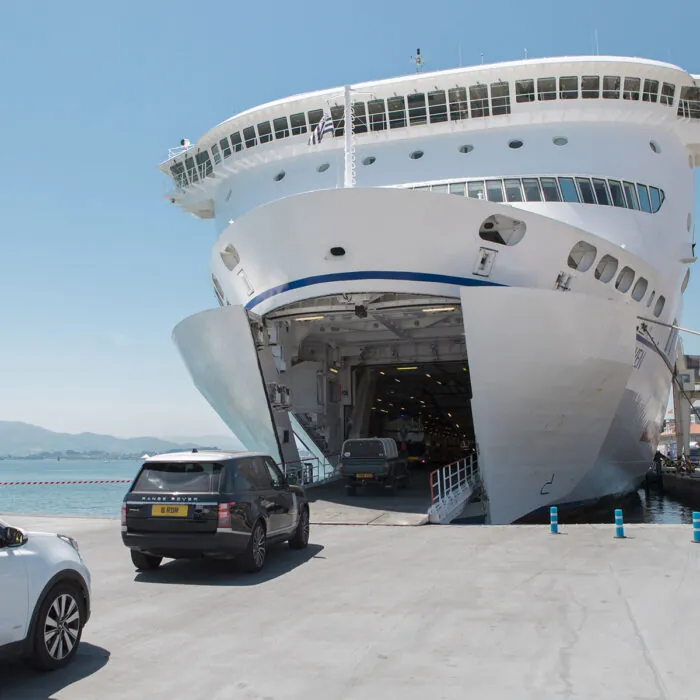
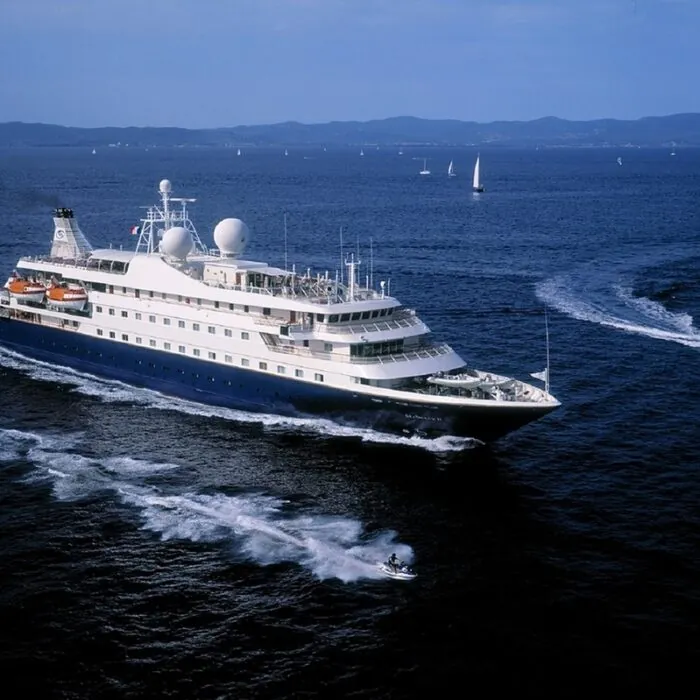
If you dream of reaching Ireland stress-free, with your car, van, or even your dog, the night ferry might be the perfect option. Discreet travel, optimized time, and a comfortable experience: crossing the Irish Sea while you sleep is both practical and appealing. But is it really possible? From which ports? With which ferry companies? And what should you expect once on board?
Here’s everything you need to know about taking a night ferry to the Emerald Isle, whether you’re departing from France, the UK, or Spain.
Why Choose a Night Ferry Crossing to Ireland?
Plenty of Advantages
Before diving into the details, a quick reminder: Ireland is an island. If you want to get there by car, the ferry is a logical alternative to flying—especially if you’re carrying luggage, traveling with family, or in a campervan.
Taking the night ferry offers several benefits:
- Avoid long hours of daytime driving
- Sleep during the crossing
- Save on a night in a hotel
- Arrive refreshed and ready for your road trip
- Enjoy real comfort on board (private cabin, meals, restrooms, etc.)
For well-organized travelers, it’s often the winning formula.
Yes, There Are Night Ferries to Ireland
The answer is simple: yes, you can absolutely take a night ferry to Ireland. Several ferry companies offer overnight crossings from France, the United Kingdom, and even Spain.
The key is to choose your departure port and ferry company carefully, and to book in advance—especially during peak season.
Night Ferries Departing from France
Available Routes
Cherbourg – Dublin / Rosslare
- Ferry Companies: Irish Ferries, Stena Line
- Duration: between 17 and 20 hours
- Type of Crossing: departs late afternoon or early evening, arrives the next morning or midday
- Onboard Services: private cabins, restaurants, lounges, shops, Wi-Fi
This route is especially popular with travelers in campervans or with their own car. Cherbourg port is well connected, and the schedules allow for a smooth overnight crossing, with the option of a full night in a cabin.
Roscoff – Cork
- Ferry Company: Brittany Ferries
- Duration: around 14 hours
- Type of Crossing: departs in the evening, arrives early morning
- Special Feature: direct access to southwest Ireland
This route is a favorite for exploring Kerry, Connemara, or the Wild Atlantic Way without passing through Dublin.
Overnight Crossings from the United Kingdom
Liverpool – Dublin
- Ferry Company: P&O Ferries
- Duration: around 8 hours
- Departure: late afternoon or early night
- Ferry Type: mixed passenger/freight (less touristy)
This route is not widely known but very useful, especially for travelers coming from northern England. The service is more functional than touristic, but cabins are available for overnight stays.
Other Routes with Night Options (Seasonal):
- Holyhead – Dublin (Stena Line / Irish Ferries): fast crossing (3h15), sometimes available at the very start or end of the night
- Cairnryan – Belfast: very frequent departures, mainly during the day, but some evening options may be available
Night Ferries Departing from Spain
Bilbao – Rosslare
- Ferry Company: Brittany Ferries
- Duration: around 28 hours
- Type of Crossing: board in the afternoon, overnight on board, arrive the morning after next
- Comfort: cabins are mandatory for this long crossing
This route is ideal if you’re returning from a long trip in southern Europe or want to avoid post-Brexit borders. Onboard, everything is designed for long-distance comfort.
How to Book a Night Ferry to Ireland?
Bookings are made directly on the ferry companies’ websites. You’ll need to choose:
- The type of vehicle (car, van, motorbike, campervan)
- The number of passengers
- The cabin option (highly recommended for overnight crossings)
- Your preferred dates and times
Prices vary depending on the season, crossing duration, and selected services. Generally, night crossings include a cabin supplement, but it’s often cheaper than a hotel night plus a daytime crossing.
What Happens On Board at Night?
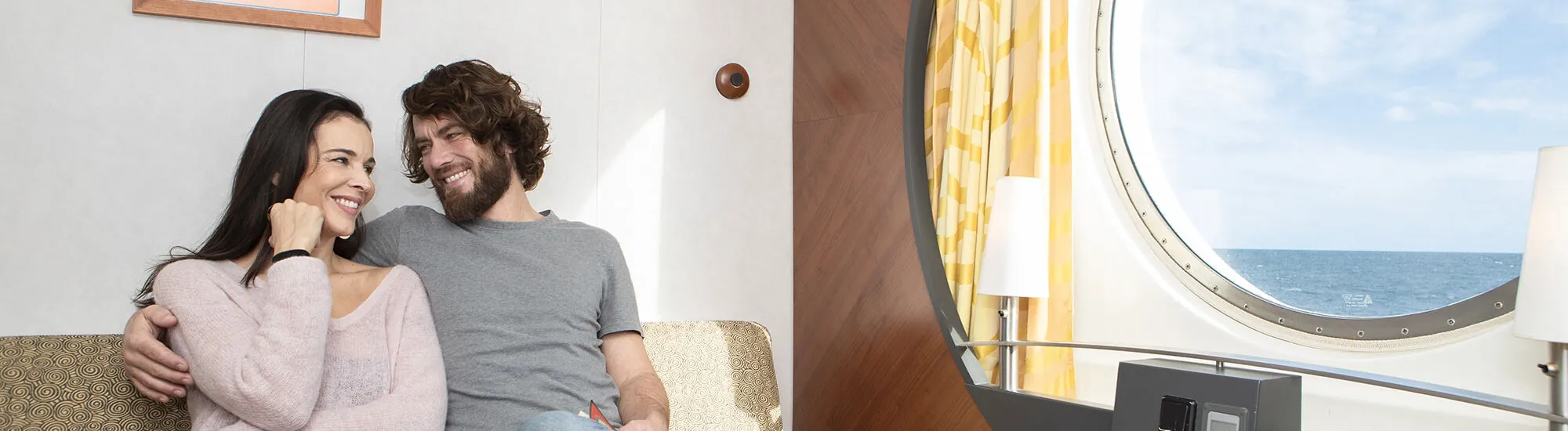
Once on board, you can access your private cabin equipped with beds, a bathroom, power outlets, and sometimes a porthole. Restaurants are open until early evening, and breakfast is often served before arrival.
For budget travelers, some companies offer lounges with reclining seats, but these are much less comfortable for sleeping.
Engine noise is well insulated in the cabins, and the crossing is usually calm. If the sea is rough, seasickness tablets can be helpful.
What Are the Benefits of a Night Ferry to Ireland?
- Time-saving: travel while you sleep
- Comfort: sleep in a real bed, take a shower, enjoy a hot meal
- Less fatigue: no endless road trip after arrival
- Efficiency: you’re ready to start your itinerary first thing in the morning
- Cost-effective: often cheaper than a hotel plus daytime ferry
This is a particularly popular solution for families, vanlifers, hikers, and long-distance travelers.
What to Prepare Before Boarding
- Arrive 1.5 to 2 hours before departure, especially if traveling with a vehicle
- Pack comfortable clothes for the night (and earplugs if you’re not in a cabin)
- Have your valid ID documents, especially if transiting via the UK (passport required post-Brexit)
- Check the weather conditions: ferries may be delayed in severe storms
- Book as early as possible during peak season (May to September)
Free guide
Planning a trip to Ireland?
Receive our free travel guide and discover the very best places, itineraries and practical tips to prepare your stay.
Culture, history, must-see attractions and local advice delivered directly to your inbox.