Dreaming of exploring the dramatic cliffs of Connemara, the cozy pubs of Galway, or the wild roads of Donegal? Before you set foot on Irish soil, you’ll need to decide where to board your ferry! Taking the ferry is both practical and adventurous, but the question often comes up: where do ferries to Ireland depart from? France, the UK, Spain… Here’s a port-by-port guide to help you chart the right course!
Departure Ports for Ferries to Ireland
1. Ferries from France: Convenient and Direct
Great news for travelers from France: there are direct ferry routes between France and Ireland, so you can skip the UK entirely. This is the ideal option if you’re traveling with your vehicle and want to avoid post-Brexit formalities.
Cherbourg – Dublin or Rosslare
- Operators: Irish Ferries / Stena Line
- Duration: about 18 to 20 hours
- Frequency: several departures per week
- Highlight: overnight crossings with comfortable cabins available
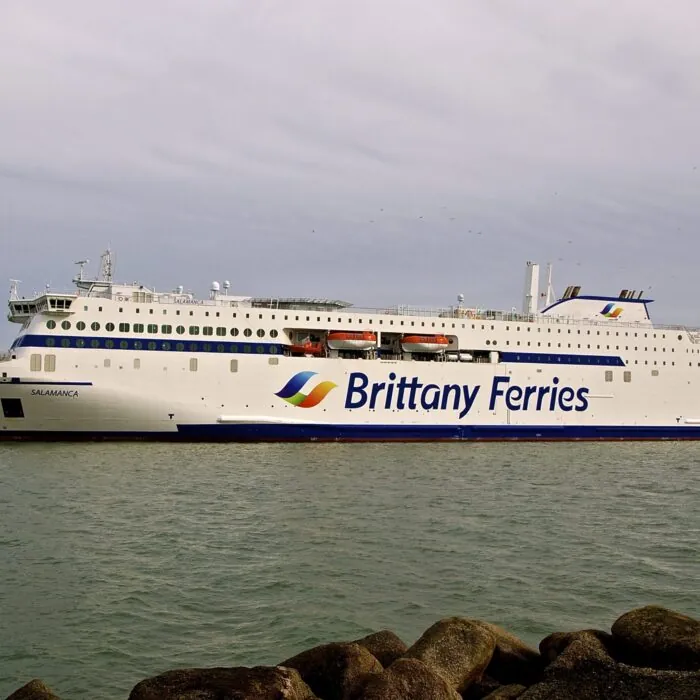
Roscoff – Cork
- Operator: Brittany Ferries
- Duration: around 14 hours
- Frequency: 2 to 3 times per week (mainly in high season)
- Advantage: Cork is a great entry point for exploring southern Ireland
Le Havre or Dunkirk
- No direct routes to Ireland at the moment, but you can travel via the UK.
💡 Tip: France–Ireland routes are ideal for campervans, cars, converted vans, or families with lots of luggage.
2. Ferries from the UK: More Frequent, Shorter Crossings
Historically, the UK–Ireland ferry connections are the most numerous and the fastest. This is the best option if you’re traveling from England, Wales, or Scotland.
Holyhead (Wales) – Dublin
- Operators: Irish Ferries / Stena Line
- Duration: about 3h15
- Frequency: up to 8 crossings per day!
- Highlight: perfect for quick round trips
Liverpool – Dublin
- Operator: P&O Ferries
- Duration: about 8 hours (often overnight)
- Frequency: daily crossings
- Atmosphere: mixed passenger/freight ferry, less touristy
Cairnryan (Scotland) – Belfast (Northern Ireland)
- Operator: Stena Line
- Duration: about 2h15
- Frequency: very regular
- Advantage: perfect for reaching Northern Ireland, with Giant’s Causeway in sight!
Fishguard (Wales) – Rosslare
- Operator: Stena Line
- Duration: 3h30 to 4h
- Highlight: direct access to southeast Ireland
🧳 Due to Brexit: passport required if you travel via the UK, even if your final destination is the Republic of Ireland.
3. Ferries from Spain: A Rarer but Strategic Option
This is the least known route, but ferries from Spain do exist for travelers coming from southern Europe, or snowbirds returning from Portugal.
Bilbao – Rosslare
- Operator: Brittany Ferries
- Duration: about 28 hours (overnight crossing)
- Frequency: 2 to 3 times per week
- Highlight: ideal for long Europe–Ireland road trips
💡 This route is especially popular with campervan travelers and expats returning home!
Comparison Table: Ferry Routes to Ireland
| Departure |
Arrival in Ireland |
Approx. Duration |
Operator(s) |
Vehicles Allowed |
| Cherbourg |
Dublin / Rosslare |
18–20h |
Irish Ferries, Stena |
Yes |
| Roscoff |
Cork |
14h |
Brittany Ferries |
Yes |
| Holyhead |
Dublin |
3h15 |
Irish Ferries, Stena |
Yes |
| Liverpool |
Dublin |
8h |
P&O Ferries |
Yes |
| Cairnryan |
Belfast |
2h15 |
Stena Line |
Yes |
| Fishguard |
Rosslare |
3h30–4h |
Stena Line |
Yes |
| Bilbao |
Rosslare |
28h |
Brittany Ferries |
Yes |
Which Option to Choose Based on Your Departure Point?
Several Operators, Several Possibilities
- From France: Cherbourg or Roscoff if you’re leaving from the west; long but direct crossings.
- From the UK: Holyhead–Dublin for speed, Cairnryan–Belfast for visiting Northern Ireland.
- From southern Europe: Bilbao–Rosslare for a direct route from Spain or Portugal.
Free guide
Planning a trip to Ireland?
Receive our free travel guide and discover the very best places, itineraries and practical tips to prepare your stay.
Culture, history, must-see attractions and local advice delivered directly to your inbox.