The Shackleton Experience
An iceberg has emerged in the heart of Athy. It will not melt at the first ray of sunshine: this spectacular glass…



 Tourist attractions
 Irish Restaurants and Pubs
 Partner Accommodations
 Campgrounds and Lodging
An iceberg has emerged in the heart of Athy. It will not melt at the first ray of sunshine: this spectacular glass…
Where the River Barrow meets the Grand Canal, Athy reveals a peaceful, historic Ireland still largely untouched by the major tourist routes. This small town in County Kildare is an appealing stop for discovering the heritage of Ireland’s Ancient East, walking beside the water and following in the footsteps of the famous explorer Ernest Shackleton.
Athy does not try to impress at first sight. Its charm gradually emerges among its old façades, stone bridges, locks and boats gliding along the Barrow. The town developed thanks to its strategic position, where the river meets a branch of the Grand Canal. It consequently became an important trading centre before retaining the peaceful atmosphere that characterises it today.
Regarded as one of County Kildare’s two Heritage Towns, Athy has a heritage linked to the Normans, prominent Irish families, river navigation and polar exploration. An astonishing range of history for such a compact destination.
Athy’s main attraction is the Shackleton Experience, housed in the former town hall on Emily Square. Completely renovated, the historic building is now extended by an impressive glass structure evoking an iceberg.
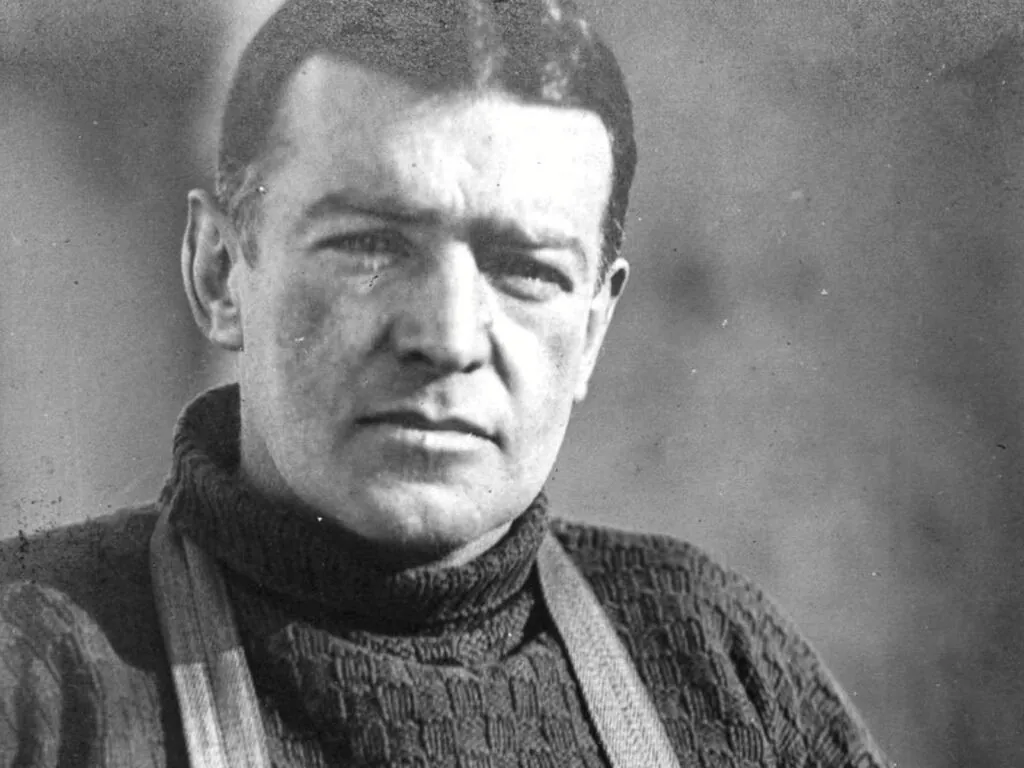
The museum is dedicated to Ernest Shackleton, who was born in 1874 in Kilkea, a few kilometres from the town. Its eleven galleries tell the story of his Irish childhood, his Antarctic expeditions and the extraordinary survival of the crew of the Endurance. Archive films, projections, original objects and immersive sequences make the visit accessible even to travellers unfamiliar with polar exploration.
The collection notably includes the sled used during the Nimrod expedition and the cabin in which Shackleton died aboard the Quest. The Shackleton Experience is now the only institution in the world entirely devoted to the explorer.
Athy is also an excellent destination for anyone who enjoys easy walks. The Barrow Way follows an old towpath along one of Ireland’s most beautiful waterways. It can be explored on foot in short sections, without needing to undertake the entire route.
The town also marks the southern end of the Barrow Blueway, a gentle route linking Robertstown and Athy along canals, locks and rural landscapes. The banks offer a particularly pleasant setting for walking, cycling or simply watching the boats.
River excursions also offer the chance to discover Athy from the Barrow. They pass through historic locks and provide a different perspective on the bridges, countryside and industrial heritage of the area.
White’s Castle, an old fortress associated with the town’s Norman history, stands opposite the river. Even when its interior is inaccessible, its imposing outline remains one of the main landmarks in the townscape.
A walk through Athy also reveals the old canal structures, several historic buildings and the statue of Shackleton outside the museum. The centre is easy to explore on foot and still has a few cafés and pubs where you can take a break between visits.
The surrounding area is worth extending your stay for. The Explorer’s Way – Shackleton Heritage Trail links several places associated with the explorer and his family. The route passes through Kilkea, his birthplace, and then Ballitore, a Quaker village where Abraham Shackleton founded a renowned school in the 18th century.
Nearby, Burtown House & Gardens combines a Georgian house with several gardens open to visitors. Kilkea Castle, one of Ireland’s oldest inhabited castles, completes this exploration of southern Kildare. A car remains useful for exploring these different sites, although Athy itself is served by train from Dublin.
Discreet yet full of character, Athy is particularly suited to travellers who appreciate small historic towns, peaceful walks and destinations that do not live solely to the rhythm of tourist coaches.