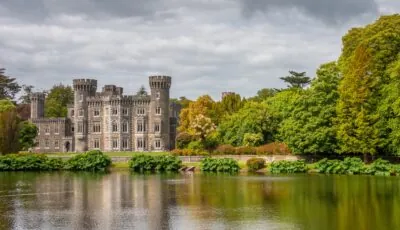
The Coolbawn House
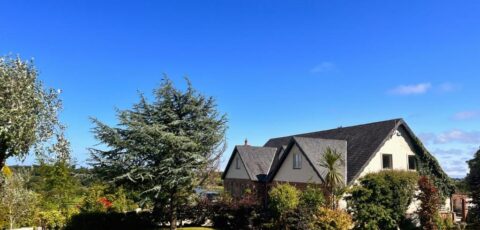
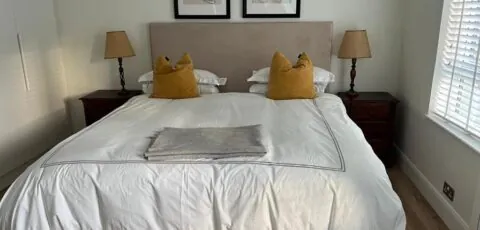
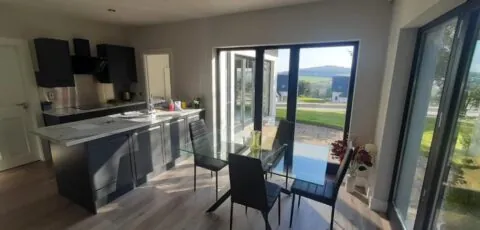
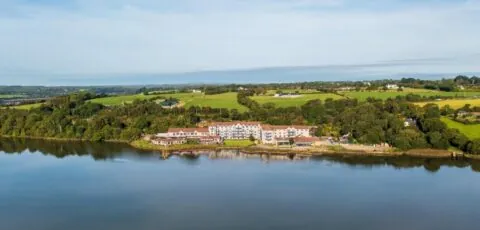
Coolbawn House is an old mansion in County Wexford, Ireland. A mecca for Dark Tourism, it’s known for being haunted, and attracts…


 Tourist attractions
 Irish Restaurants and Pubs
 Partner Accommodations
 Campgrounds and Lodging
Coolbawn House is an old mansion in County Wexford, Ireland. A mecca for Dark Tourism, it’s known for being haunted, and attracts…
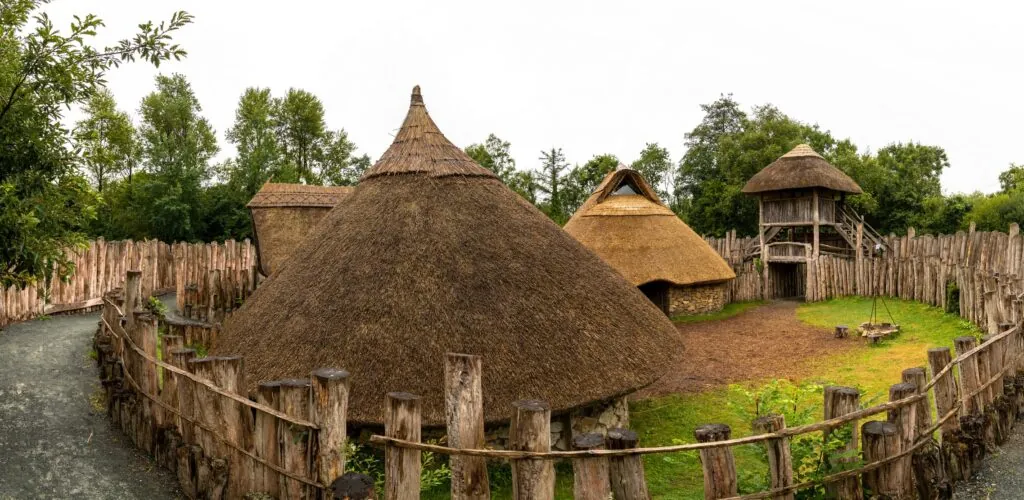
Why not step back in time and discover over 9,000 years of Irish history? The Irish National Heritage Park is located in…
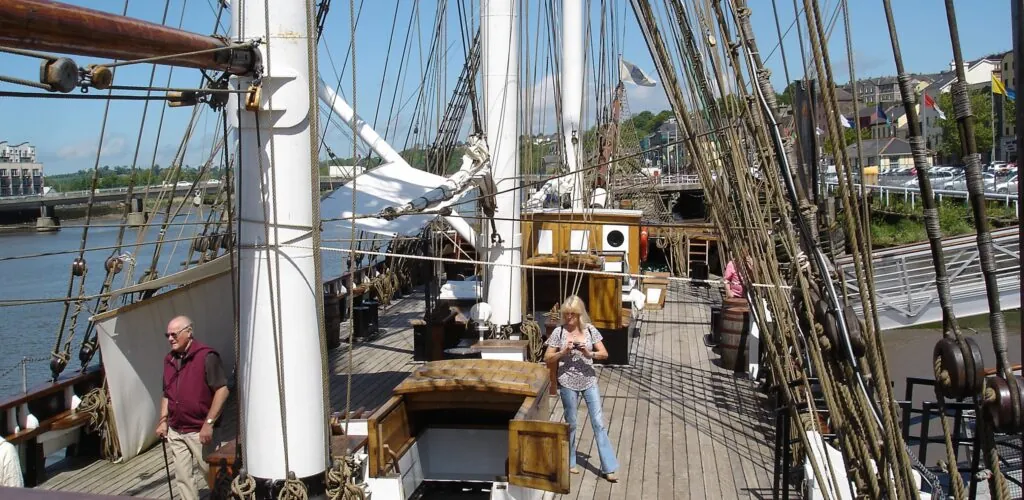
The Dunbrody Famine Ship is a superb life-size replica of a boat used by Irish emigrants to flee their homeland for the…
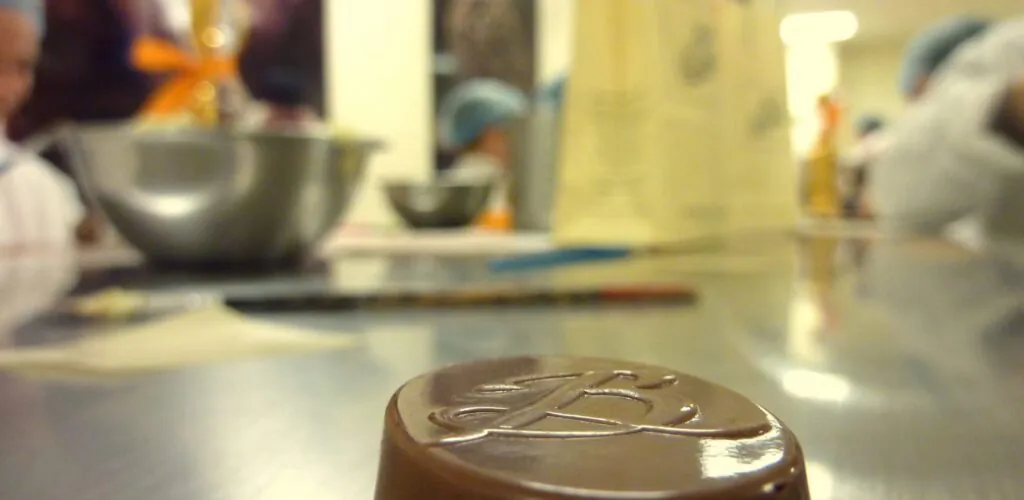
Are you crazy about chocolate and in Dublin? Don't miss the Butlers Chocolate Experience, a factory and museum of the famous Butlers…
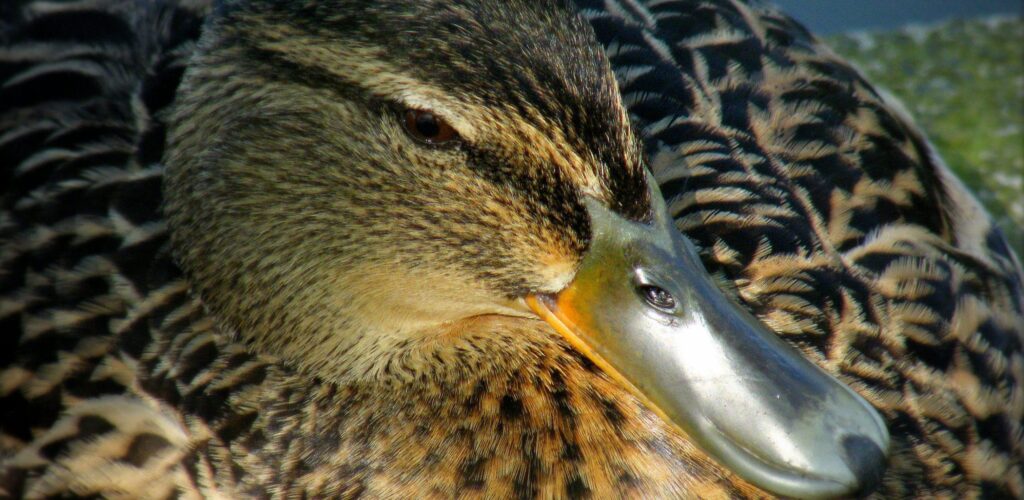
Attention birdwatchers! The Wexford Wildfowl Reserve is a nature reserve where you can admire thousands of birds evolving in the marshes! Visit…
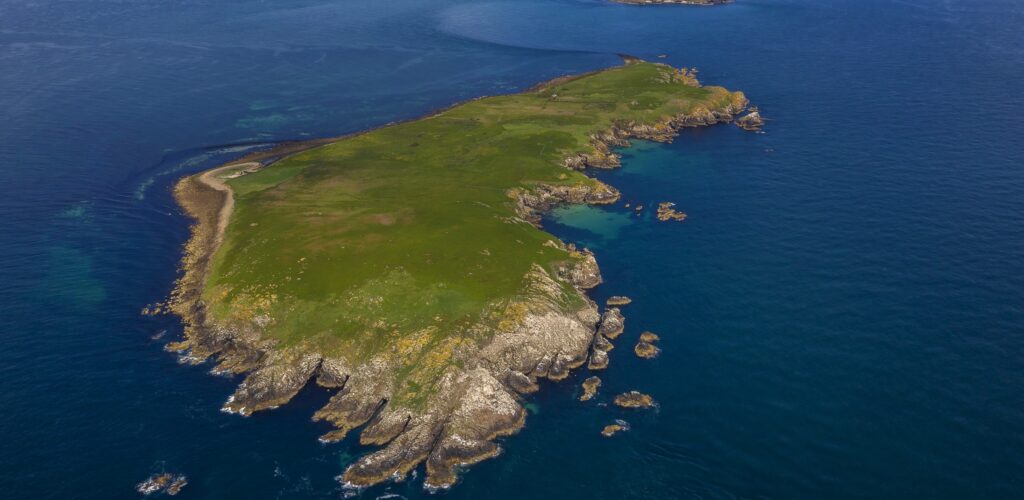
Great Saltee Island is part of the Saltee Islands archipelago. Located 5 kilometers off the south coast of County Wexford, Great Saltee…
Rosslare Europort is one of County Wexford’s most important ports. Its ever-increasing traffic enables local residents to connect with the UK and…
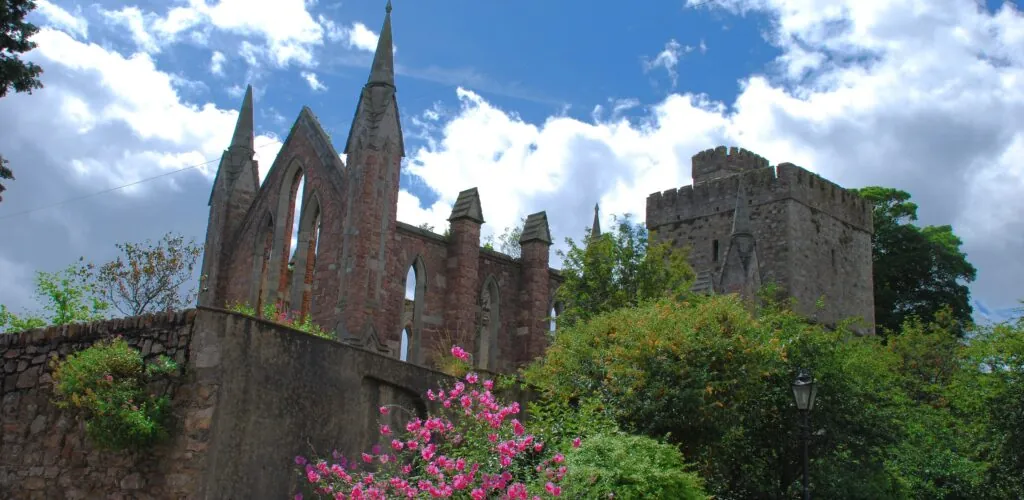
As imposing as it is impressive, Selskar Abbey is a 12th-century Irish monastery that will plunge you into the heart of medieval…
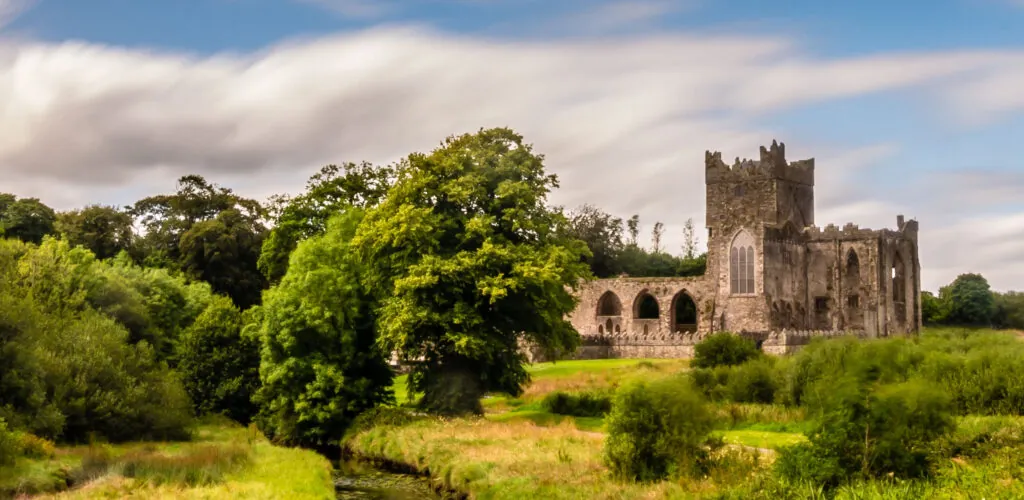
Tintern Abbey is an ancient Irish Cistercian abbey on Hook Peninsula, County Wexford. Today, the building has lost none of its majesty,…
Discover Ireland's oldest lighthouse at Hook Lighthouse! Built in the 13th century, it's considered a historical treasure trove that's still going strong!…
Discover how Ireland played a key role in Steven Spielberg's "Saving Private Ryan", offering its beaches to recreate the famous Normandy landings.
Find a comfortable place to stay and make the most of your trip to Ireland.
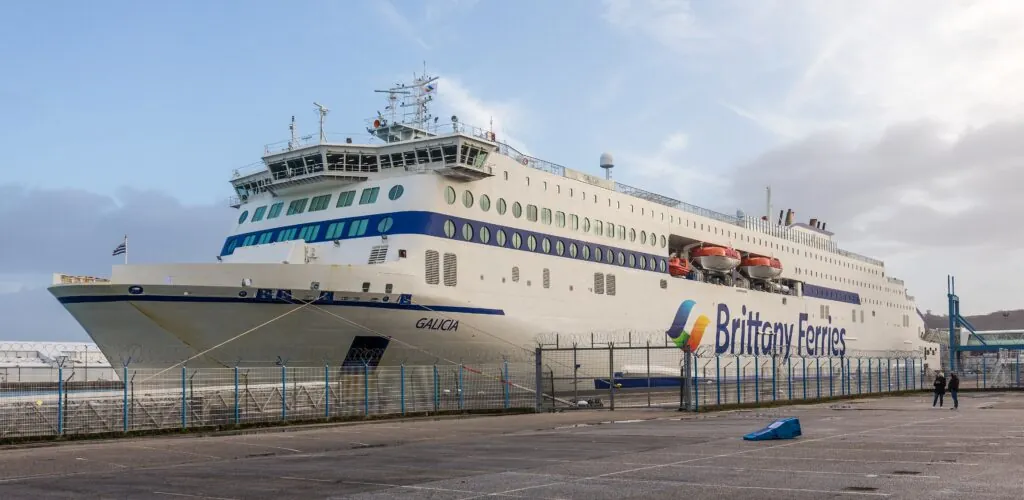
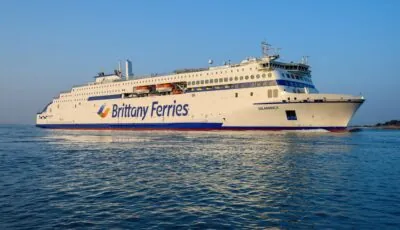
Some journeys begin before you reach the first Irish road. They take shape in Cherbourg harbour, as your car enters the ferry’s…
County Wexford, Contae Loch Garman in Irish, occupies the south-eastern tip of Ireland, between the Irish Sea and the Atlantic. This maritime location has shaped its identity for centuries: ports, long beaches, coastal villages and farmland make up an area very different from the mountainous landscapes of western Ireland. Wexford is part of Ireland’s Ancient East and has a remarkable historical richness, from the earliest settlements to the Vikings, from the arrival of the Anglo-Normans to the 1798 rebellion.
With 163,919 inhabitants recorded in 2022, the county is organised around several complementary centres: Wexford Town on the Slaney estuary, Enniscorthy inland, New Ross on the Barrow, Gorey in the north and Rosslare on the coast. This makes it an interesting region to explore over several days rather than simply a stop between Dublin and southern Ireland.
Wexford is often associated with the “Sunny South East”, the south-east known for its relatively favourable climate by Irish standards. Yet its main appeal lies above all in the diversity of a region where open farmland quickly gives way to beaches, estuaries, nature reserves or rocky headlands.
The county’s coastline extends for around 250 kilometres. Curracloe, Rosslare Strand, Carne, Morriscastle and Duncannon are among its best-known beaches, while many more secluded areas retain a very natural character. This coast is also a region of fishing, sailing and marine wildlife watching.
Inland, the Slaney and Barrow valleys shape part of the landscape. The north-west of the county becomes more undulating as it approaches the Blackstairs Mountains, which form a natural boundary with County Carlow.
In the south-west of the county, the Hook Peninsula extends between the shared estuary of the Barrow, Nore and Suir rivers and the open waters of the Atlantic. Coastal roads, small coves, villages and farmland give this part of Wexford a particularly maritime atmosphere.
At its tip stands Hook Lighthouse, one of the county’s most emblematic landmarks. The present lighthouse originated in a medieval tower built in the early 13th century and remains operational. It is a major landmark on the peninsula, but Hook is best seen as an area to explore in its entirety rather than simply an excursion to the lighthouse.
Tintern Abbey, Duncannon and Fethard-on-Sea are among the places that can round out a visit to the peninsula. The landscapes are less spectacular in a mountainous sense than those of western Ireland, but they offer a particularly interesting insight into Wexford’s long-standing relationship with the sea.
Wexford’s heritage spans several millennia. Near Wexford Town, the Irish National Heritage Park provides an overview of almost 9,000 years of Irish history through reconstructed sites and dwellings, from prehistory to the early centuries of the Middle Ages.
The county also has an important Viking legacy. The English name Wexford derives from the Old Norse Veisafjǫrðr, evidence of the Scandinavian settlement that developed around the estuary in the 9th century. This presence forms part of the history of Ireland’s Viking ports, alongside Dublin, Waterford, Cork and Limerick.
Wexford subsequently played a major role in the arrival of the Anglo-Normans in Ireland from 1169 onwards. The landing of forces from Wales near Bannow ushered in a period of conquest whose imprint remains visible in the heritage of the south-east. Castles, abbeys, towns and former territorial structures still bear witness to this settlement.
The Norman Way, developed in the south of the county, now links several places associated with this heritage. It gives historical coherence to sites that might otherwise seem scattered across the landscape.
Wexford holds a central place in the history of the 1798 United Irishmen rebellion. The uprising, driven by political, religious and social demands and influenced by the American and French revolutions, took on particularly significant proportions in the county.
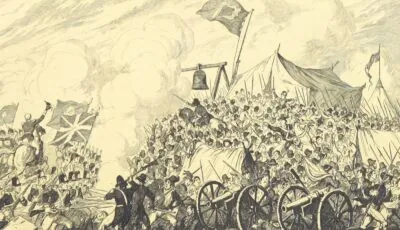
Enniscorthy is one of the main places of remembrance for this period. Just outside the town, Vinegar Hill was the scene of a decisive battle on 21 June 1798. Government forces attacked the camp held by insurgents and many civilians. The site now retains the remains of an old mill that served as a command post during the fighting.
However, the importance of 1798 extends beyond Vinegar Hill. Several places in the county bear traces of the uprising, which remains deeply rooted in Wexford’s historical memory. To understand this period, it is therefore more relevant to view Enniscorthy and its surroundings as the centre of a wider historical landscape.
Wexford Town is the county’s main urban centre. Set on the edge of the Slaney estuary, the town retains traces of its Viking origins and medieval development in its layout and heritage. It is a practical base for exploring Curracloe, the Rosslare area and the east coast.
Enniscorthy, dominated by its castle and Vinegar Hill, makes it easier to discover the county’s interior and the sites associated with 1798. The Slaney Valley gives it a more undulating setting than the southern coastline.
To the west, New Ross developed on the River Barrow. Its history is closely linked to maritime trade and emigration. The Dunbrody Famine Ship recalls the mass departures for North America in the 19th century and places Wexford within the broader history of the Irish diaspora.
Gorey, in the north, is also a practical base for the county’s northern coast and provides quick access to the beaches and villages between Courtown and the Wicklow border.
Off Kilmore Quay lie Great Saltee and Little Saltee. These two islands form one of the county’s best-known natural areas. Great Saltee is especially popular with birdwatchers during the breeding season, when several seabird species nest on its cliffs and slopes.
Excursions generally depart from Kilmore Quay and remain dependent on the weather and sea conditions. The island should not be regarded as a conventional developed attraction: its natural character requires visitors to respect nesting areas, keep their distance from birds and bring suitable equipment.
Kilmore Quay is also worth stopping at for its fishing harbour, whitewashed houses and coastal-village atmosphere. It offers another side of maritime Wexford, very different from Rosslare and its role as a major ferry gateway.
Rosslare Europort plays a strategic role in maritime links between Ireland, Great Britain and continental Europe. For many travellers arriving by ferry, County Wexford is therefore their first contact with Ireland.
Yet this transit function should not obscure the area’s appeal to visitors. From Rosslare, Wexford Town, the Irish National Heritage Park, Kilmore Quay and several beaches are quickly accessible. The port can therefore serve as the starting point for a genuine stay in the south-east rather than simply a stop before Dublin, Cork or Kerry.
Wexford also stands out for its gardens, large estates and rural heritage. The relatively mild climate of the south-east has encouraged the development of renowned gardens, while farmland strongly contributes to the county’s landscape identity.
Johnstown Castle, near Wexford Town, combines architecture, gardens and woodland estate. Further afield, the agricultural landscapes recall the historical importance of food production in the county. Wexford strawberries have notably become one of the region’s popular symbols during the summer season.
This combination of beaches, heritage, small towns and countryside makes the county a destination particularly well suited to slower travel. Wexford does not impose a succession of must-see monuments: its appeal instead comes from the variety of stops and the proximity of coast, villages and historic sites.
The road network makes Wexford relatively easy to explore by car, but the Hook Peninsula and small coastal roads require more time. For a first visit, it is advisable to distinguish three main areas: Wexford Town and the east coast, Enniscorthy and the county interior, then the south-west around New Ross and the Hook Peninsula.
Two days allow visitors to discover its main landmarks; three or four days provide more freedom to include beaches, the Saltee Islands when conditions allow, historic sites and villages without constantly travelling.
Wexford works particularly well as the first or last stop on an itinerary through southern Ireland thanks to Rosslare Europort and its proximity to Waterford, Kilkenny, Wicklow and Dublin. But viewing it solely as a transit area would mean missing one of the regions where Ireland’s maritime, Norman and revolutionary history can be read most clearly in the landscape.