Forty Foot
If you're not afraid of cold water and would like to swim with an exceptional view of Dublin Bay, then we recommend…


 Tourist attractions
 Irish Restaurants and Pubs
 Partner Accommodations
 Campgrounds and Lodging
If you're not afraid of cold water and would like to swim with an exceptional view of Dublin Bay, then we recommend…
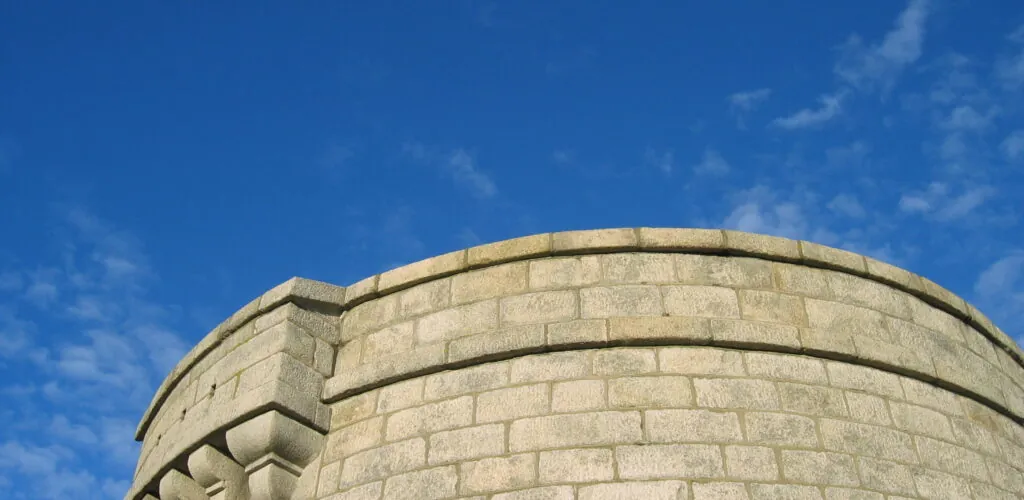
Sandycove's Martello Tower was built during the Napoleonic Wars. It faces the Irish Sea in the small village of Sandycove. A little…
Roger Casement was an Irish diplomat turned rebel, a key figure in the Easter Rising of 1916.

What if you owned your own historic fortress along Dublin’s south coast? The Battery is an iconic Georgian military fortress in the…
In Sandycove, the seafront belongs as much to everyday life as to travel. Walkers stop to look out over the bay, swimmers make their way to the rocks, and nearby cafés welcome those who prefer to watch the water while keeping their feet dry. South of Dublin, this coastal neighbourhood combines a small cove, a swimming tradition and a literary presence familiar to readers of James Joyce. Sandycove is easy to explore on foot, on an outing that can link the shore, Glasthule and Dún Laoghaire without too much travelling.
Sandycove lies along the coast from Dún Laoghaire, south of the capital. Its scale lends itself to unhurried exploration: a short walk is enough to change your view of the bay, move from a small beach to the rocks, or reach somewhere to have lunch. It is not a resort isolated from its surroundings, but a neighbourhood connected to other places to live and stroll.
This continuity is valuable for visitors. You can arrive by train, walk to the shore and leave from another station if it suits your itinerary. It also requires some planning: Sandycove, Glasthule and Dún Laoghaire are close together, but their names refer to distinct places. Identify your arrival point before booking an activity or restaurant.
The Martello Tower associated with James Joyce gives the neighbourhood a particular resonance. The opening of Ulysses brought this place into the literary imagination, and its silhouette remains one of the seafront’s landmarks. You can include a visit to the museum in a walk without turning the entire outing into an itinerary for specialists: reading a few pages before you leave is enough to add another depth to the landscape.
If you wish to enter the tower, check the arrangements and opening hours for your date. The spaces in a historic building may include narrow passages and stairs; enquire if accessibility is an important consideration. Then allow time for the coast: Sandycove’s appeal also lies in the proximity of this heritage to a maritime life that remains very present.
The Forty Foot is an iconic swimming spot, where regular sea swimming is part of the scene. You can enjoy the place without going into the water: watching people arrive, prepare and chat already gives a sense of its local character. Keep access routes clear and respect the privacy of people changing.
For swimming, do not rely on the confidence of regulars. Water temperature, wind, swell, water quality and exit options must all be assessed. The rocks and steps can be slippery; the neighbouring small beach is not a permanent guarantee of conditions suitable for children either. Check local advice and do not go in if you have any doubts. A café overlooking the sea remains an excellent option.
Glasthule offers an opportunity to add a food stop to the programme, while Dún Laoghaire’s seafront provides a longer promenade. For a first visit, choose a simple route: arrive by train, take a detour along Sandycove’s shoreline, have lunch and walk towards Dún Laoghaire. You will have time to enjoy several atmospheres without rushing through a long list of sights.
Walkers can continue according to their energy, but it is best to decide on the return journey first. A linear outing can avoid retracing the same route when tiredness or rain sets in. For a broader day out on the south coast, Dalkey is another possible stop, best reached separately rather than linking every destination on foot without preparation.
Sandycove and Glasthule station serves the area on the DART line south of Dublin. From the city centre, choose a service that stops there and check the day’s travel information. A full walk then completes the journey to the seafront. Plan this final stretch if you are travelling with a pushchair, luggage or someone with limited mobility.
The train lets you discover Sandycove without looking for parking along the coast. By car, respect local restrictions and have an alternative plan when spaces are occupied. To return to Dublin, check the relevant timetable before settling in for dinner. Fares and frequencies change: it is better to check them for your date than to rely on a figure presented as permanent.
Half a day is enough for a walk, one chosen visit and a café break. A full day allows you to add Dún Laoghaire without sacrificing time spent by the sea. If you wish to stay in the area, consider the distance between your accommodation, the station and restaurants. An address nearby may be pleasant while requiring more walking than expected.
Sandycove can be explored year-round, but windy days call for a shorter route and indoor breaks. Bring waterproof clothing and shoes with good grip. In fine weather, set off early enough if you prefer a quieter shoreline. For photographs, keep a respectful eye on residents and swimmers too: their everyday life gives the neighbourhood its charm, without becoming a spectacle to stage.