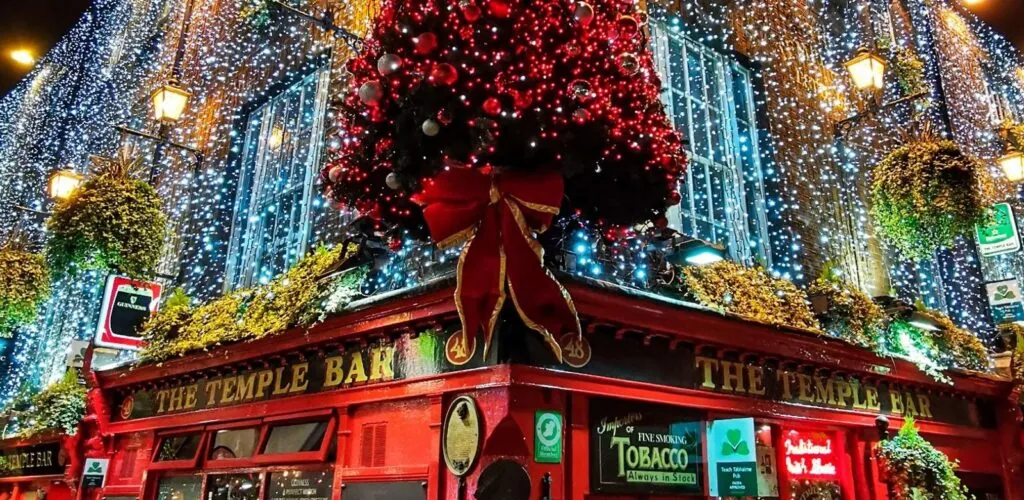
In Ireland, Christmas is much more than just a family meal or a beautifully decorated tree. It’s a time when warmth, age-old customs, and conviviality blend with the magic of twinkling lights and traditional songs. From late November, cities light up, pubs fill with music, and the Irish celebrate the season with the generosity they’re famous for. Unique traditions, passed down through generations, continue to enliven this special time. Between hearty meals, typical decorations, and rituals rich in symbolism, Christmas in Ireland is both authentic and deeply endearing. Let’s uncover the secrets of this Irish magic.
Lights, Hosts, and Meaningful Decorations
Irish homes transform into true havens of peace from the very first days of December. Families set an elegant and welcoming Christmas table, often inspired by nature. Red candles, symbols of hospitality and happiness, hold a special place. In the past, one would be placed in the window on Christmas Eve to guide lost travelers or signal that the home was open to neighbors. This tradition is still alive today, creating an incomparable welcoming atmosphere.
The streets of cities like Dublin, Galway, or Cork are adorned with golden garlands, giant Christmas trees, and sparkling shop windows. This magical atmosphere peaks on December 24th, when families light candles together and gather for a traditional meal. The spirit of sharing and hospitality—much more than an abundance of gifts—is what makes the holidays so special in Ireland, strengthening family bonds.
The Rhythm of Rituals: From Feasting to a Day of Solidarity
Irish traditions are numerous and full of charm. December 8th marks the official start of the festivities: homes are decorated with a Christmas light garland, the nativity scene is set up, and the first gingerbread cookies are baked. These cookies are then enjoyed with a hot cup of tea in an increasingly festive atmosphere. On December 25th, Irish families gather for a big family lunch, often featuring roast turkey, honey-glazed ham, and the traditional whiskey pudding.
The next day, the country celebrates Saint Stephen’s Day (also known as “Boxing Day”), a day entirely dedicated to visits and acts of kindness. People visit each other, exchanging well wishes. Children, often dressed in their finest clothes, go door to door singing Christmas carols. It’s also an opportunity to donate to charities.
Another folk tradition associated with this day is that of the Wren Boys. On December 26th, groups of men and children dress up in colorful costumes and masks. They parade through the streets singing traditional songs, also collecting donations for charitable causes.
Between Lights and Modern Festivity
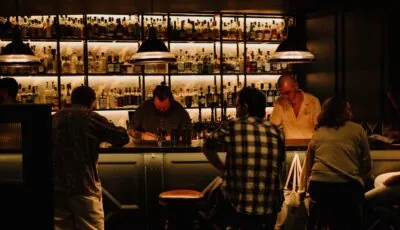
Today, Irish families continue these customs with a modern twist. Christmas markets attract visitors from all over Europe, while evenings in the pubs are a must during the season. Locals gather to listen to traditional music, share a pint, and exchange greetings. Public houses are carefully decorated to create a warm atmosphere. Spending Christmas in Ireland means discovering a different way to celebrate: more sincere, warmer, and more human. Irish hospitality ensures every visitor feels instantly at home.
Finally, January 6th, known as “Little Christmas” or “Women’s Christmas,” marks the official end of the festivities. On this day, tradition has it that women rest while men take care of the home—a symbolic gesture to close the season gently and fairly. Between family rituals, sparkling tables, and lights illuminating the villages, Ireland offers an enchanting break where the true magic of Christmas comes alive.