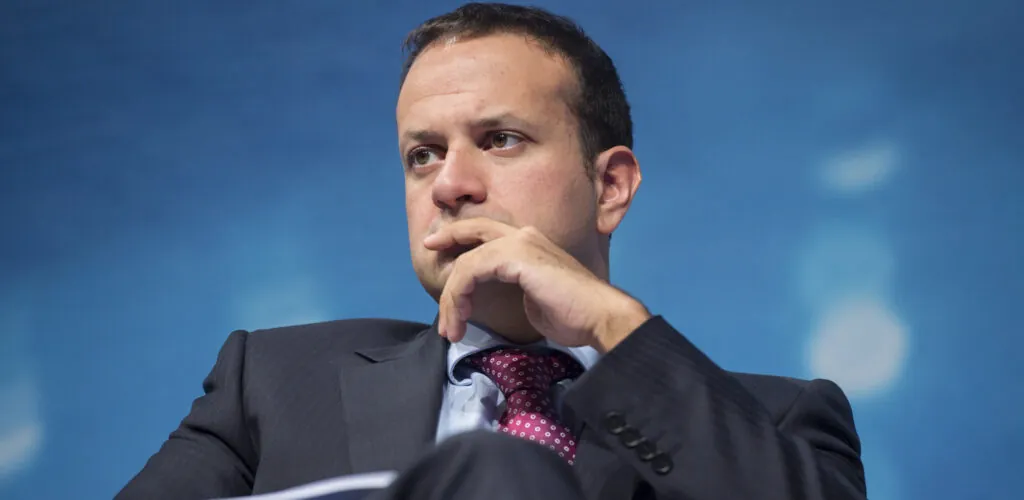
Leo Varadkar, the Irish Prime Minister, spoke this morning: starting tonight at 6 PM, Ireland will enter a “quarantine” phase (lock-out in English). The country will implement numerous measures to tackle the COVID-19 threat and curb its transmission among the population.
Ireland Takes Action Against Coronavirus
The Whole Country Slows Down: Irish People Urged to Socially Isolate
Leo Varadkar is firm yet reassuring: Ireland is at a moment where tough decisions must be made. These choices aim to protect as many people as possible. It won’t be easy, and the Irish economy may suffer, but these measures will surely help the nation emerge stronger from this challenge.
Key measures include:
- Schools, colleges, high schools, and childcare services will be closed until March 29, 2020.
- Irish workers who can will be asked to work remotely and limit outings.
- Restaurants and service businesses will remain open, but the Taioseach (Prime Minister) has urged establishments to strictly follow public health guidelines now more than ever.
- Every Irish resident and traveler must minimize social interactions to prevent the spread of coronavirus.
- Most public tourist sites will be closed to visitors.
- Gatherings of more than 100 people must be canceled, including public events related to St. Patrick’s Day.
Public transport will continue operating as usual. Shops and supermarkets will stay open, and the Irish government will ensure food supply chains remain intact.
In a statement, Leo Varadkar said:
“The cabinet will meet later today. In the coming period, the government will deploy all available resources, both human and financial, to confront this threat head-on. These resources are substantial but not unlimited. Above all, we must all take care of each other,” Varadkar said, adding, “We will prevail.”
The plan will be launched: on Thursday, March 12 at 6 PM, Ireland will enter a lock-out phase. This delicate period is expected to last until March 29.
However, this date may be extended depending on how the situation evolves.
Given these circumstances, we recommend travelers cancel or postpone their trips.