With three vaccines competing to fight COVID-19, hope is rising among airlines. The prospect of emerging from the crisis is sparking enthusiasm. Although vaccination campaigns have not yet started, it seems that major airlines worldwide are already working on a system to safely and securely resume flights—including in Ireland.
Major Airlines Consider a Vaccine Passport
Ryanair Immediately Rejects the Idea for Short-Haul Flights
2021 will likely be the year of recovery for tourism and air traffic—great news for Ireland, which will need to prepare accordingly. Restarting will only be possible if the pandemic is controlled through mass global vaccination.
To that end, airline Qantas has revealed plans to adopt a “vaccine passport system.”
The concept is straightforward: passengers wishing to board their planes would need to provide proof of COVID-19 vaccination. A simple medical certificate should suffice.
This project will be tested soon by the airline and could expand to other competitors if successful.
However, Ryanair has already taken a stance: for the Irish low-cost carrier, requiring a vaccination record for short-haul flights within Europe doesn’t seem relevant.
“Such a system might make sense for long-haul flights or countries without physical borders like Australia, where the plane is often the only way in. But the situation is very different in Europe, where countries must consider their own border rules as well as those of others,” said CEO Eddie Wilson.
“If this vaccine passport only applies to air travel, I fear European travelers might choose alternatives like trains. Therefore, we do not want to add this system to our boarding policy for short-haul flights.”
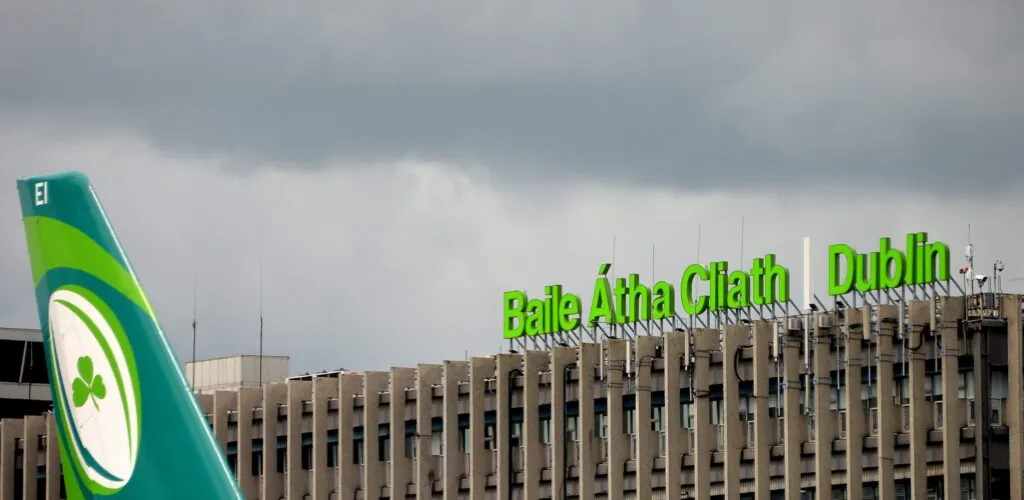
In any case, other airlines like Aer Lingus are reportedly exploring options to safely resume flights once the vaccine distribution is underway.
The goal for aviation and tourism stakeholders is to restart operations as quickly as possible while ensuring maximum safety for their customers. This is a major undertaking that, if well coordinated, should help save Ireland’s tourism industry, which is currently struggling.
Fingers crossed!