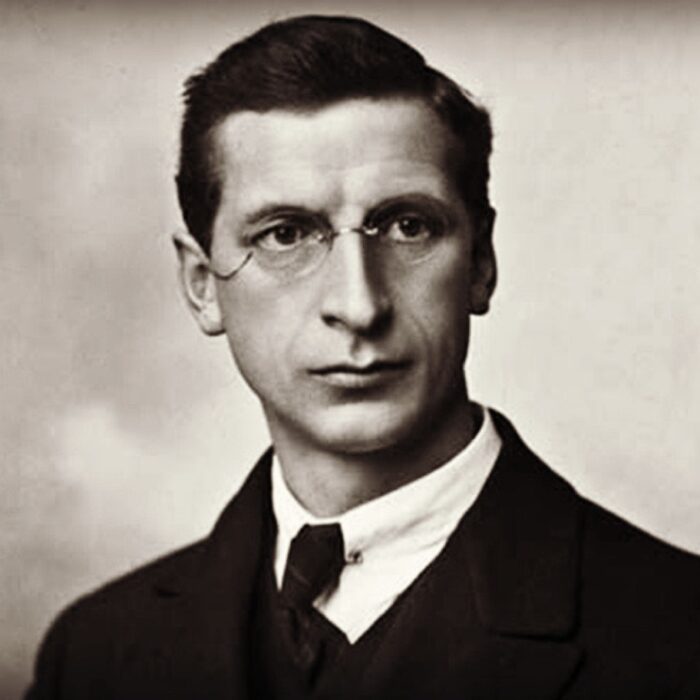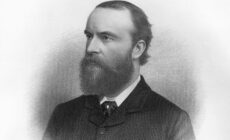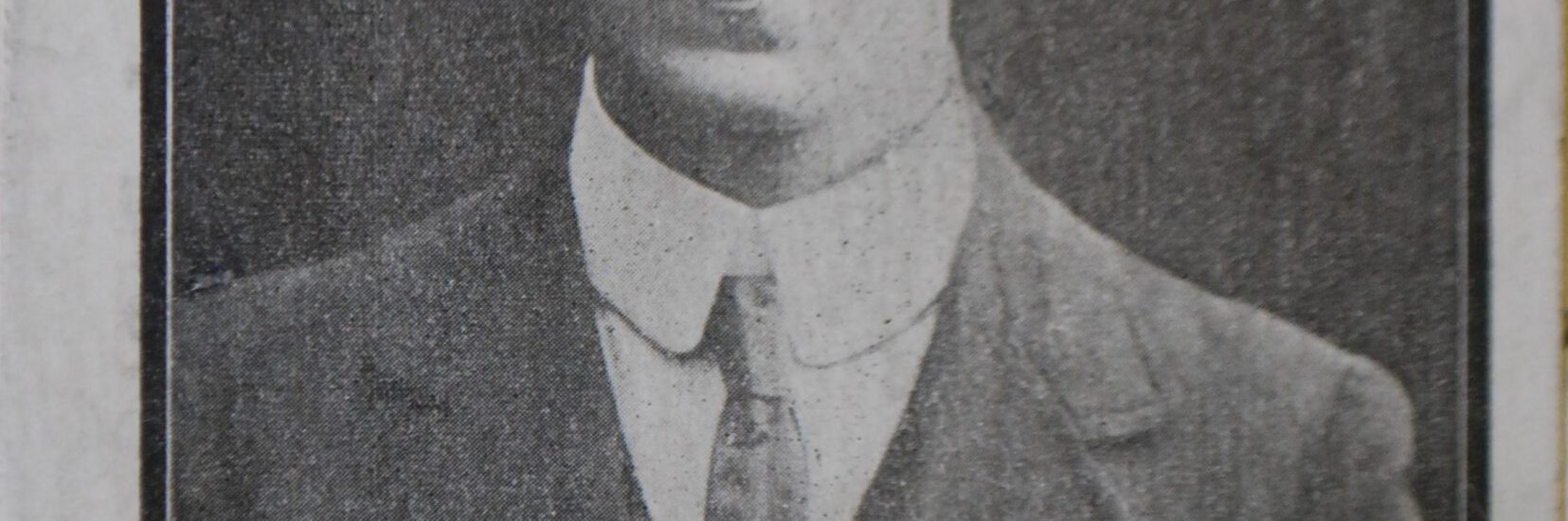
Seán MacDiarmada (or Sean McDermott) (1883-1916) was an Irish revolutionary who was one of the main instigators of the Easter Rising in 1916. Very active in the nationalist struggle, he was one of the tragic heroes of this revolt, and was executed for his actions a few days after the rebellion, in Dublin’s Kilmainham Gaol prison.
Seán MacDiarmada was born on February 28, 1883 in Kiltyclogher, County Leitrim, where he received a strict Catholic upbringing. After completing his studies, he left Ireland for Paris in 1908, joining the IRB and Sinn Féin.
In 1910, McDermott became editor of “Irish Freedom”, a radical newspaper promoting the interests of the Irish nationalist cause. His involvement brought him into contact with the movement’s greatest leaders, including Thomas J. Clarke (1857-1916), with whom he became totally inseparable.
During this period, however, Sean McDermott suffered serious health problems. He then discovers that he has polio, and from now on will have to use a cane to get around.
But there was no stopping McDermott, who in 1913 officially joined the Irish Volunteers, a militia dedicated to fighting for the creation of an Irish Republic.
In May 1915, MacDiarmada was arrested by British forces at Tuam in County Galway. He was incarcerated for a few months, then released in September 1915. Far from dissuading himself from the cause he was fighting for, he joined the IRB’s Military Clandestine Committee, along with his friend Thomas J. Clarke. The two of them were in charge of fomenting a revolt planned for Easter 1916.
McDermott’s role in these operations will be limited to implementing an effective attack strategy, as his illness prevents him from taking on any combat duties. He will therefore occupy the Central Post Office in Dublin with Thomas J. Clarke, and command the Irish troops from a distance.
After several days of fierce fighting, the Easter Rising proved to be a complete failure, and McDermott and his cohorts were court-martialed by the British government. Like the others, McDermott was sentenced to the firing squad as an example.
He was executed on May 12, 1916, at the age of 33. Today, a Dublin street bears his name, as does Sligo railway station. In Irish eyes, he is a great figure in the struggle for Irish independence…