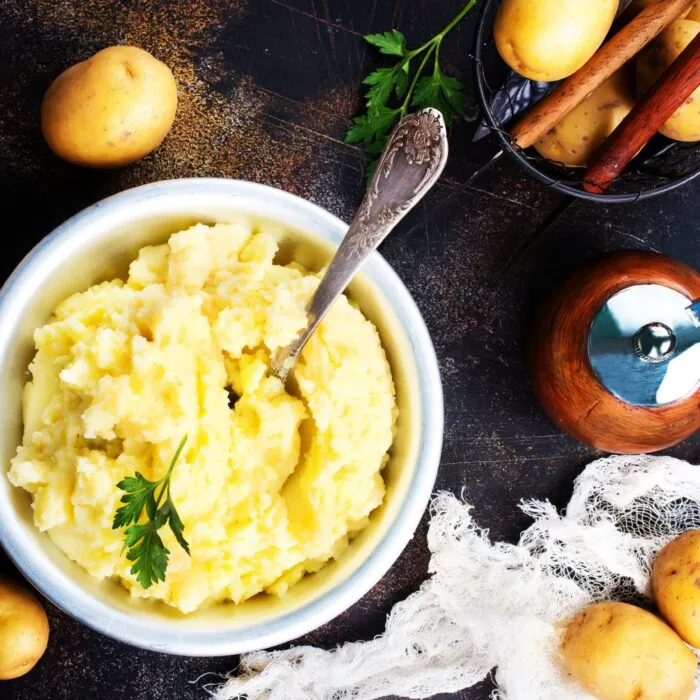


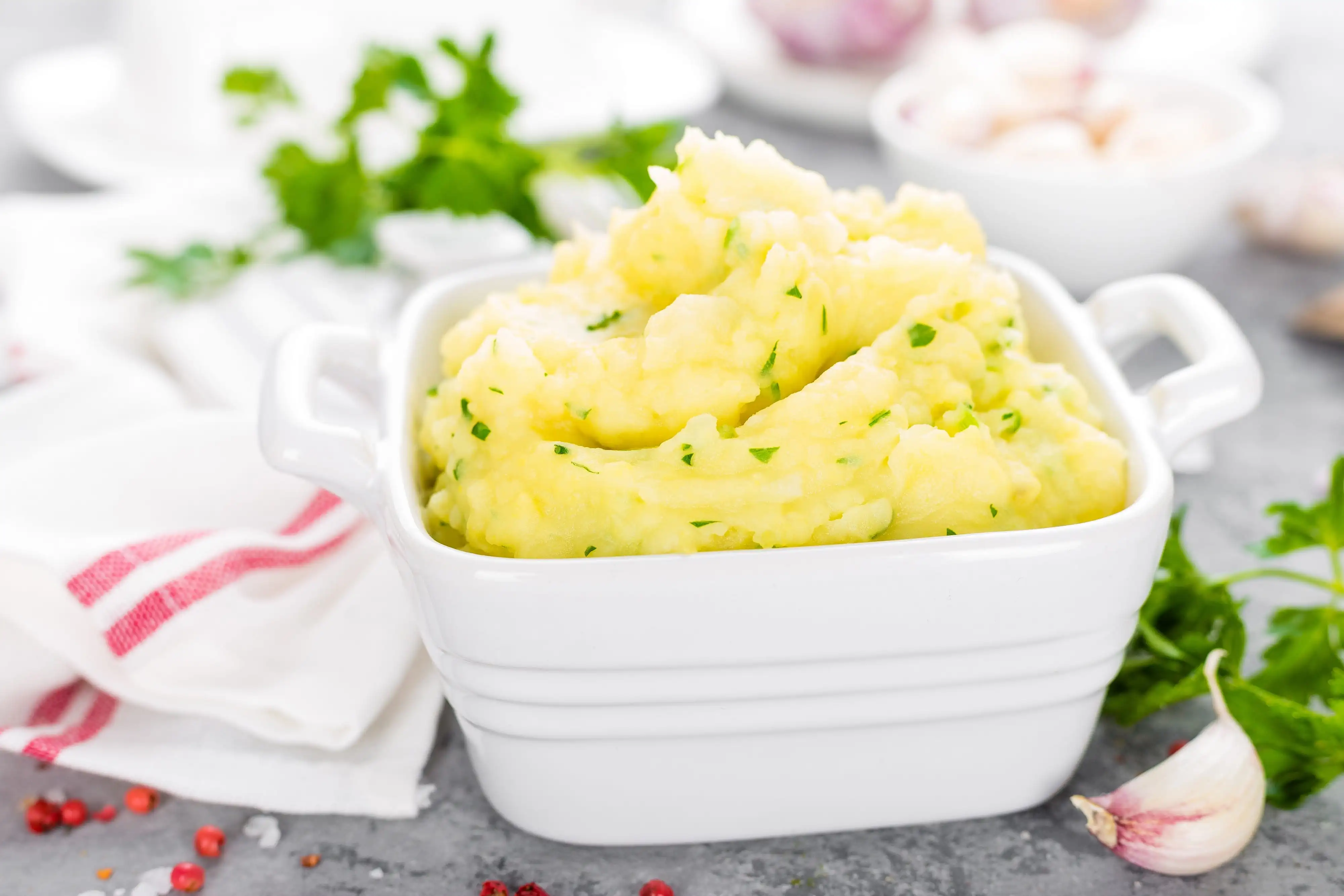
Champ is one of those Irish recipes whose simplicity conceals real know-how. This mashed potato dish, enriched with milk, butter and spring onions, is particularly associated with Ulster and Northern Ireland. Creamy, mild and delicately vegetal, it goes just as well with roast meat as with fish, sausages or a few seasonal vegetables.
In Ireland, potatoes have given rise to many popular dishes designed to feed the whole family simply. Champ belongs to this generous home cooking tradition. Its principle is straightforward: floury potatoes, carefully mashed, warm milk infused with spring onions, then a decidedly generous amount of butter.
The dish is sometimes called brúitín in Irish. Depending on the family and region, it may also be known as poundies. These variations in vocabulary are a reminder that the recipe has been passed down in homes far more than in cookery books.
The two recipes are often confused, as both are based on enriched mashed potatoes. The difference lies in the added ingredient. Champ is made with spring onions — known as scallions in Ireland — while colcannon generally contains green cabbage or kale. Champ therefore has a more delicate flavour and a smoother texture.
In its most traditional presentation, a small well is made in the centre of the mash for a knob of butter to melt into. Each mouthful can then be dipped into this golden centre. This simple gesture perfectly captures the spirit of the dish: few ingredients, but no compromise on comfort.
For four people, allow around one kilogram of floury potatoes, a bunch of spring onions, 20 to 25 centilitres of whole milk, butter, salt and pepper. Potatoes with a high starch content make for a light mash and absorb the milk more readily. Irish salted butter adds a particularly indulgent note, though unsalted butter works just as well.
Peel the potatoes, cut them into evenly sized pieces and cook them in lightly salted water. Meanwhile, finely slice the spring onions, keeping some of the green tops. Gently warm them in the milk without bringing it to a rapid boil: they should soften while infusing the liquid with their flavour.
Once the potatoes are tender, drain them thoroughly, then return them to the still-warm pan for a few moments to allow excess moisture to evaporate. Mash them before gradually incorporating the milk and onions. Finally, add a generous knob of butter, adjust the seasoning and serve immediately.
To preserve the texture, it is best to use a potato ricer or a hand masher. A blender would release too much starch and make the mixture gluey. The desired result is soft and creamy, while retaining the substance of a proper homemade mash.
Champ pairs particularly well with Irish sausages, bacon, lamb or beef. It also works beautifully with salmon, smoked mackerel or a simple poached egg. Its mildness balances salty dishes and richly flavoured sauces without masking them.
It can also take centre stage in a vegetarian meal, served with pan-fried mushrooms, melting leeks or roasted root vegetables. A few fresh spring onions added at the last minute enhance its freshness and provide a subtle crisp contrast.
Champ remains above all a family dish, but it also appears on pub and restaurant menus, particularly in Northern Ireland. It may be listed under its own name or served as an accompaniment to a main course. To spot it, look for champ potatoes, scallion mash or simply champ.
Less well known abroad than Irish stew or soda bread, it nevertheless offers a remarkably accurate insight into Irish cooking: everyday ingredients, careful preparation and a warming result made to be shared.
The success of champ depends first and foremost on the variety of potato used. A floury potato breaks down easily after cooking and holds the milk-and-butter mixture better. By contrast, a waxy variety may produce a dense, less airy mash. In Ireland, available varieties do not always have the same names as those in France, so the important thing is to look for floury potatoes rather than a specific variety.
Even cooking is just as essential. The pieces should be of a similar size and remain submerged without being subjected to an overly vigorous boil. After draining, a few moments in the dry pan allow the steam to escape. This discreet step prevents a watery mash and helps it absorb the infused milk.
Champ lends itself to a few adaptations, provided it retains its identity. Some recipes melt part of the butter directly into the milk; others add the green tops of the onions only at the end to preserve their colour. A pinch of nutmeg or a little white pepper can round out the seasoning, but neither double cream nor cheese is essential.
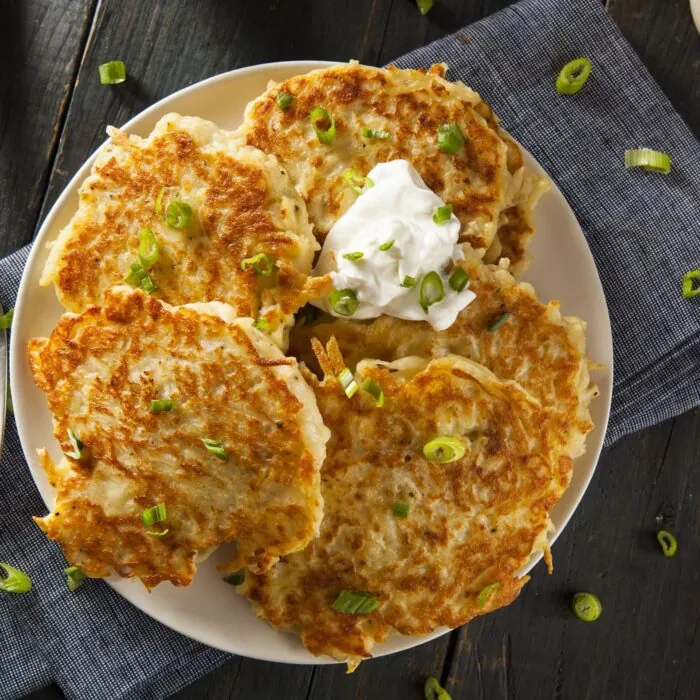
Leftovers can be shaped into small patties and browned in a frying pan the following day. This use extends the recipe’s thrifty spirit and creates a crisp surface around a soft centre. With an egg and a few vegetables, these patties make a particularly tasty quick lunch.
Champ should not be presented as a fixed piece of folklore. Above all, it is a familiar way of preparing potatoes, deeply rooted in the culinary habits of the north of the island. It is passed on through household gestures, often approximate proportions and adaptation to the ingredients at hand.
This absence of a single definitive recipe accounts for the subtle differences found from one table to another. The amount of milk, the fineness of the mash and the generous use of green onion tops may vary, while the foundation remains instantly recognisable. For travellers, tasting several versions is precisely what reveals this living dimension of Irish cooking.