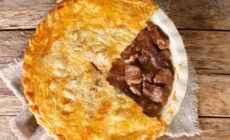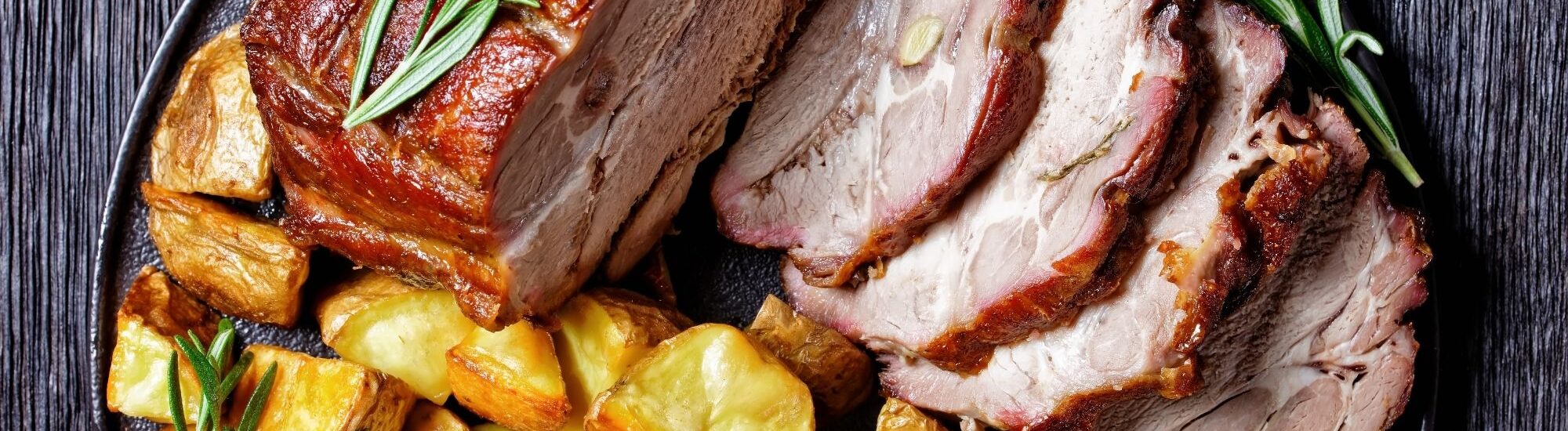
In Ireland, Sunday isn’t just a day of rest. Above all, it’s synonymous with a generous table, home-style cooking and a reunion around an emblematic dish: the Irish Sunday Roast. This traditional Irish meal, deeply rooted in local culture, goes far beyond the notion of gastronomy. It tells the story of the island’s social history, its relationship with the land, livestock farming and conviviality. For travelers curious to understand Ireland through more than its landscapes, Sunday Roast is a tasty and authentic gateway.
Sunday Roast has its roots in British traditions, introduced to Ireland from the XVIIIᵉ century. Originally, it was a hearty Sunday meal prepared after mass, when the whole family was together.
In Ireland, this custom quickly took on its own identity, shaped by local produce and rural habits. Extensively raised beef, lamb and pork have become mainstays of the dish, while the potato, ubiquitous since the XIXᵉ century, has become the essential accompaniment.
For a long time, Sunday was the only real day off for a large part of the population. The meal had to be nourishing, comforting and capable of bringing several generations together around the same table. Today, even in modern, urban Ireland, Sunday Roast remains associated with the idea of a break, human warmth and family continuity.
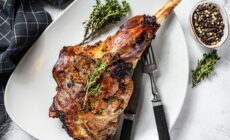
The heart of the Sunday Roast is slow-roasted meat. Beef is very popular, often served pink and generously carved. Lamb, particularly popular in spring, brings a more pronounced flavor, while pork, sometimes accompanied by crispy crackling, offers a more rustic alternative. In some regions, particularly in the countryside, roast chicken remains a common choice, especially for large families.

Irish potatoes – Canva Pro
It’s impossible to imagine an Irish Sunday Roast without potatoes. Potatoes are usually served in a variety of forms: roasted in the oven in their own fat, mashed to a creamy purée, or simply boiled. Typically Irish root vegetables such as carrots, parsnips and turnips are also used. Cabbage, often blanched and then lightly buttered, completes the picture and adds a touch of vegetable freshness.
Gravy is the soul of Sunday Roast. Prepared from the meat’s cooking juices, thickened and intensely flavored, it coats the entire dish. In Ireland, it’s generally simpler and less spicy than some British versions, allowing the natural flavor of the meat to shine through. Without gravy, Sunday Roast would lose much of its identity.
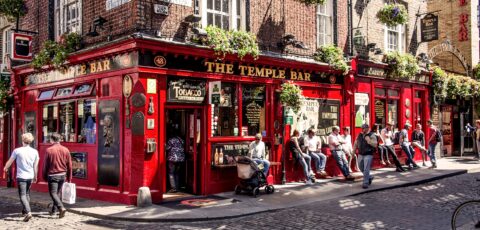
The best place to enjoy an authentic Sunday Roast is in a traditional pub. Every Sunday, many establishments offer a “Sunday Carvery”, where the meat is cut up in front of the customers and served with all the trimmings. It’s an experience in itself, combining good food, a warm atmosphere and spontaneous interaction with the locals.
Some restaurants are revisiting the Sunday Roast with a more modern approach, featuring organic or locally sourced produce. In B&Bs and guesthouses, it’s not uncommon for hosts to serve their own version of the dish, often handed down from generation to generation. For travelers, this is a unique opportunity to discover a heartfelt family interpretation of this great classic.
Sunday Roast is not stuck in the past. More and more vegetarian and seafood variants are appearing, without betraying the spirit of the dish. This adaptability is a perfect reflection of contemporary Ireland: respectful of its roots but open to culinary evolution.
Tasting an Irish Sunday Roast is more than just eating a typical dish. It’s about sharing a moment in life, understanding the Irish relationship with conviviality and feeling the legendary hospitality for which the island is famous. For a traveler, it’s as essential a stopover as a stroll along the Wild Atlantic Way or an evening in a lively Dublin pub.






 3.55/5 (38 votes)