Planning Your Trip

Irish celebrations : les infos utiles avant de partir

Irish celebrations : the must-haves


À lire aussi

News irish

Irish celebrations

Ireland is a land of traditions and conviviality. Its cultural festivals, blending pagan heritage, Christian rites, and modern expressions, punctuate the social life of the island. Some are known worldwide, like Saint Patrick’s Day, while others remain rooted in local folklore or community celebrations passed down through generations. Together, they form a mosaic of rituals and festivities that tell the Irish soul.

Saint Patrick’s Day

A national festival turned global

It is impossible to talk about Irish festivals without mentioning Saint Patrick’s Day, celebrated on March 17th. Patron saint of Ireland, Saint Patrick is credited with evangelizing the island in the 5th century. Originally a religious feast, Saint Patrick’s Day has become a national, then international celebration.

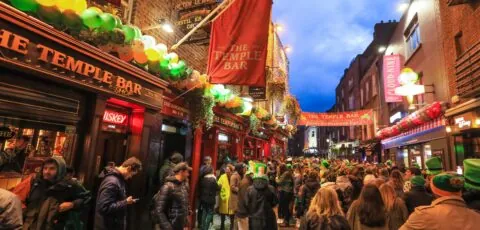
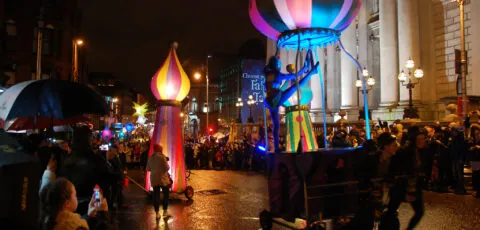
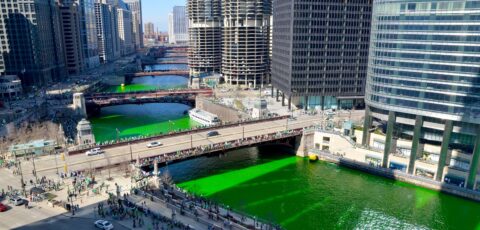
In Ireland, parades, concerts, shows, and illuminations tint the country green. Dublin hosts a multi-day festival where Irish culture unfolds through traditional music, dance, and theater. Abroad, notably in the United States, Canada, and Australia, Irish communities keep this festival alive, turning entire cities into showcases of Ireland.

Halloween

From Celtic roots to a global festival

Although Halloween is now an American holiday popularized by films and pop culture, it originates in Ireland. It dates back to the Celtic festival of Samhain, marking the end of summer and the beginning of winter, a time when it was believed the boundaries between the living and the dead faded.

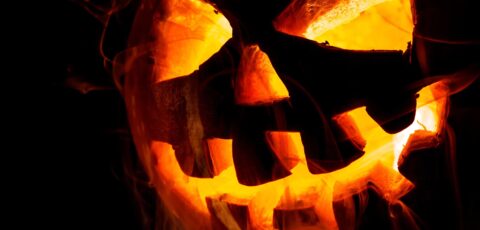
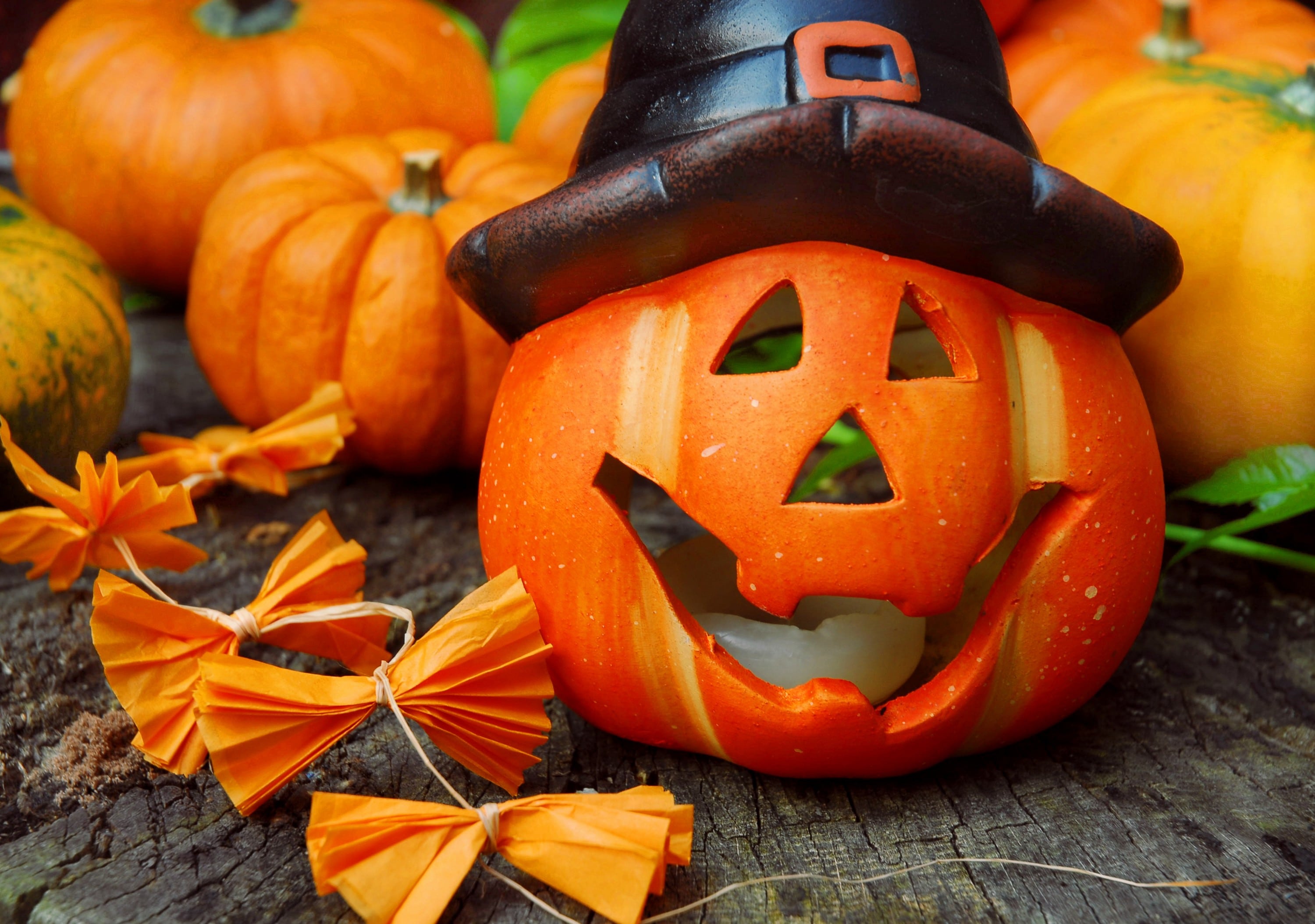
In Ireland, Halloween is still celebrated with bonfires, traditional games like snap apple (catching a suspended apple), and the preparation of barmbrack, a fruit bread containing small surprises meant to predict the future. Costumes and carved pumpkins, inherited from Irish turnips, recall the importance of folklore in this festival.

Bloomsday

A literary tribute to James Joyce

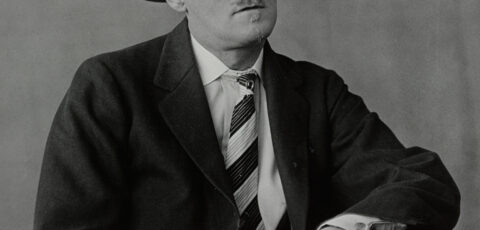
June 16th is a unique date in Ireland: Bloomsday. This literary festival honors James Joyce’s novel Ulysses, whose action takes place over a single day, June 16, 1904.

Every year, in Dublin and worldwide, readers and Joyce enthusiasts dress as characters from the novel, participate in public readings, and retrace Leopold Bloom’s journey through the capital. Bloomsday illustrates the importance of literature in Irish culture and shows how a work can become a popular festival.

St Brigid’s Day

A festival between paganism and Christianity

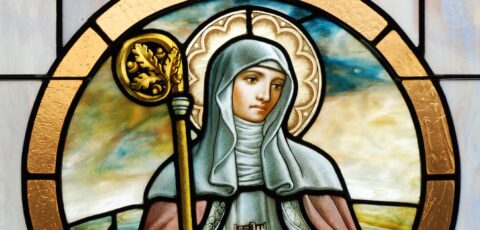
February 1st marks the feast of Saint Brigid of Kildare, patroness of Ireland alongside Saint Patrick. But this date also inherits from an older Celtic festival, Imbolc, which celebrated the end of winter and the return of light.

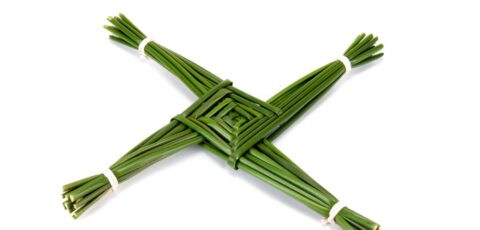
Today, St Brigid’s Day is celebrated by making Brigid’s crosses from rushes, placed in homes to protect the household. Since 2023, it has become a public holiday in the Republic of Ireland, a sign of its renewed importance in the national calendar.

The Puck Fair

An unusual festival in Kerry

In the small town of Killorglin, County Kerry, one of Ireland’s oldest festivals takes place every summer: the Puck Fair. Since the 17th century, a wild goat is captured and crowned “king of the festival” for three days.

The program includes markets, concerts, dances, and popular festivities. Although controversial to some for the use of an animal, the Puck Fair remains a lively celebration of Irish rural folklore and attracts many visitors.

The Fleadh Cheoil

The great festival of traditional music

The Fleadh Cheoil na hÉireann, or “Ireland’s music festival,” is the largest gathering of traditional Irish music. Every year, thousands of musicians, singers, and dancers meet in a different town to compete and share their passion.

This festival is both a national competition and a popular celebration, where music sessions fill the streets, pubs, and public squares. It testifies to the vitality of Irish music and its role in the country’s cultural identity.

Modern and cultural festivals

Between revisited traditions and international openness

Beyond traditional festivals, Ireland hosts many modern festivals that have become essential cultural events:

  • The Galway International Arts Festival, combining theater, dance, visual arts, and music.
  • The Dublin Theatre Festival, continuing the Irish dramatic tradition.
  • The St Patrick’s Festival, now an international showcase of Irish creativity.

These events show that Irish festive culture is not limited to ancient traditions but continues to reinvent itself in dialogue with the contemporary world.

A festive calendar serving identity

Festivals as collective memory

Irish cultural festivals are much more than entertainment: they reflect the island’s history, religion, folklore, and creativity. They embody Ireland’s ability to transform its pagan and Christian roots into living celebrations, to export its traditions worldwide, and to make festivity a universal language.

From Saint Patrick’s Day celebrated in the streets of New York to Halloween bonfires lit in the Kerry countryside, each festival tells a facet of the Irish soul: joyful, resilient, and deeply attached to its roots.

Free Ireland travel guide
Free guide

Planning a trip to Ireland?

Receive our free travel guide and discover the very best places, itineraries and practical tips to prepare your stay.

Culture, history, must-see attractions and local advice delivered directly to your inbox.